When Joey Colby-Begovich looks back on the path that led him to become the Vice President of Matchday Operations and Guest Experience for Chicago Fire FC, even he admits it sounds improbable. His career began not in a stadium or corporate boardroom, but on the deck of a cruise ship somewhere in the Caribbean, microphone in hand, calling bingo numbers to vacationers.
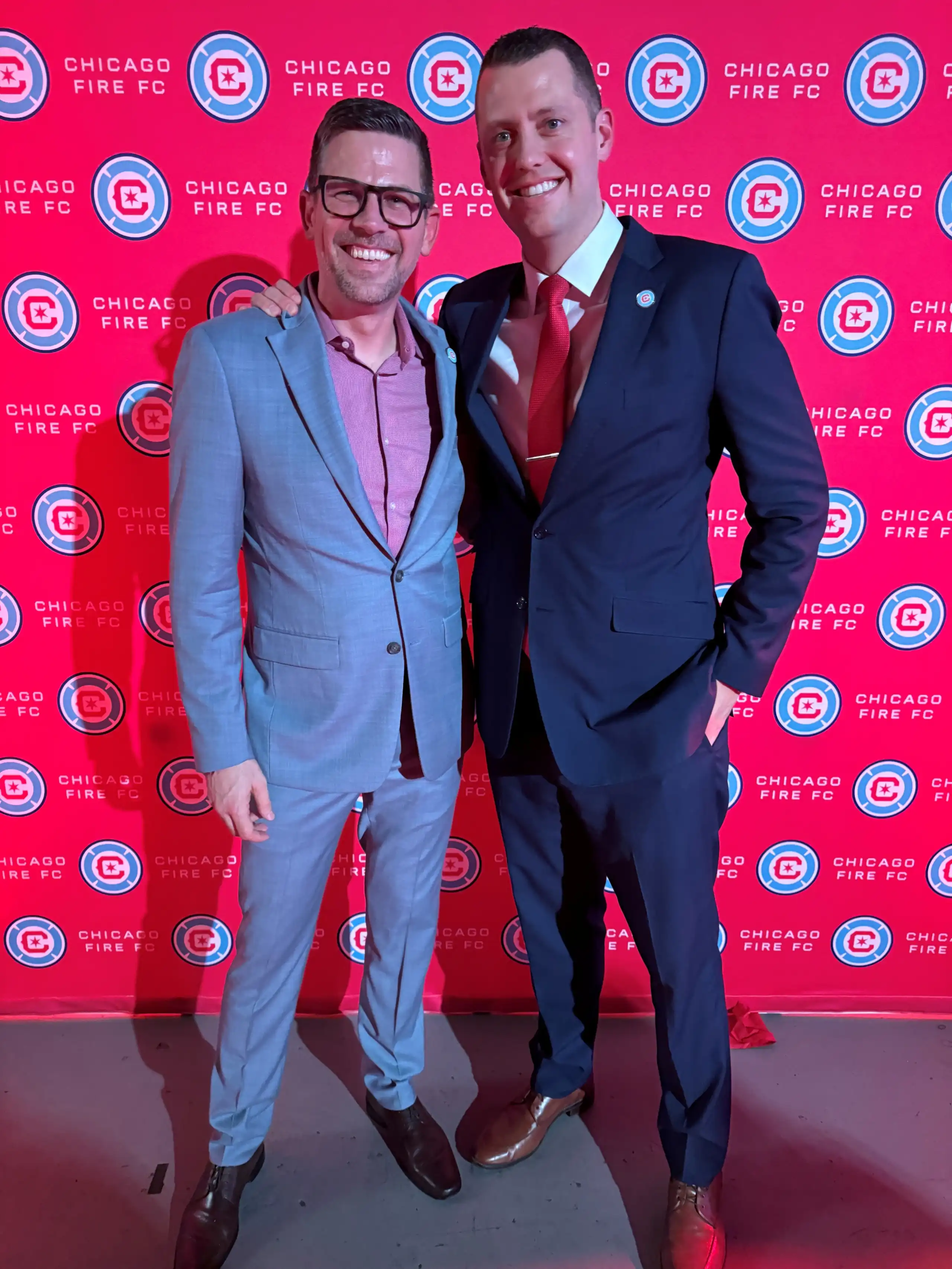
“I always tell people I thought I was going on a cruise for six months. I never left.”
Today Colby-Begovich oversees the fan and stadium experience for one of Major League Soccer’s most ambitious franchises as the sport surges in popularity ahead of the 2026 FIFA World Cup. His career has taken him through luxury travel, professional football, and a decade living at sea. Yet the philosophy that guides his work today was forged long before he ever set foot in a stadium.
“It hit me one day on the ship,” he says. “Some of these guests had saved for years for this trip. They were spending five or six days with us, and that might be their one big vacation for the entire year. That’s when it really clicked for me that you are accountable for their experience. Not just part of it – the whole thing.”
Choosing a Different Road
Colby-Begovich grew up in Minnesota in a large, blended family with eight siblings. His family ran a business selling lawn care and snow-removal equipment, and most of his siblings eventually joined it. College wasn’t part of the family tradition.
“Nobody in my family had ever gone to college before, including my parents. That just wasn’t part of our family dynamic.”
But even as a teenager, he felt drawn toward something different. Theater, music, and performance had always been part of his life, and he wanted to explore a wider world.
“I knew I wanted something else. I didn’t know exactly what that looked like, but I knew it wasn’t staying on the same path.”
Colby-Begovich became the first in his family to both attend and graduate from college, earning degrees in theater and corporate communications. At first, he imagined combining those interests in nonprofit arts administration. After graduation, he tried exactly that – he worked at a non-profit opera company, then at an arts camp. But life’s reality didn’t match his dream.
“I realized very quickly the nonprofit sector wasn’t for me. I loved the arts, but the career side of it didn’t feel like the right fit.” Suddenly, he was back home in Minnesota with a degree, a sense of restlessness, and no clear direction. “I was a little directionless, which I think a lot of people are right after college.”
Then, on a whim, he applied for a job on a cruise ship.
The Six-Month Experiment That Lasted for Ten Years
Colby-Begovich took a position with Carnival Cruise Line officially called a “social host.” It was part of the onboard entertainment team responsible for engaging guests with games, events, and activities.
“It was a six-month contract. I thought, ‘This will be fun. I’ll travel around the Caribbean, meet people, have an adventure, and when I get back, I’ll figure out what I want to do with my life.’”
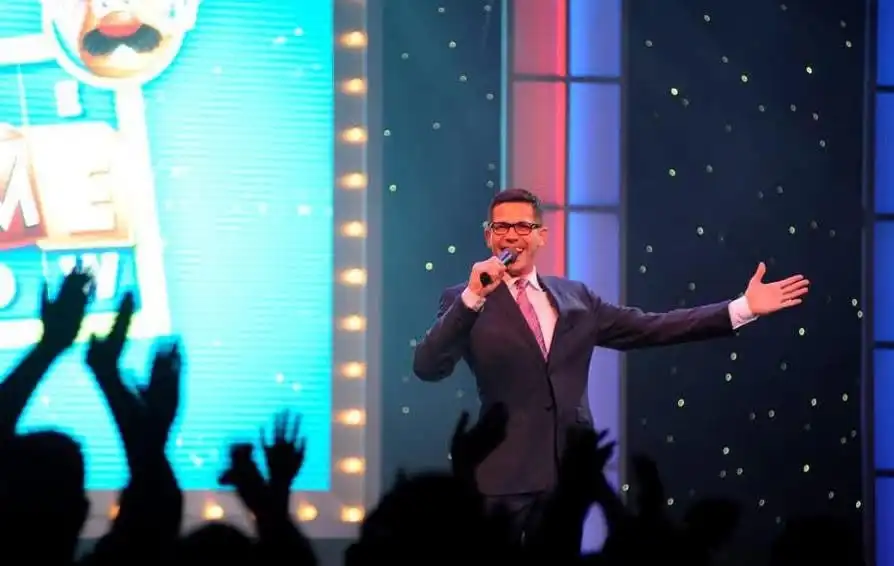
His earliest responsibilities were simple. He hosted trivia contests, organized activities, and called bingo games. “I was literally calling bingo and dancing on the Lido deck.”
But the work energized him in a way he hadn’t expected.
“I completely fell in love with the cruise industry and the hospitality industry. It’s this incredible mix of entertainment, operations, and service, all happening at once.”
His energy and natural stage presence quickly caught the attention of leadership. Within a year, he was promoted to Assistant Cruise Director. Soon after, he became Cruise Director, overseeing entertainment operations across an entire ship and managing large teams responsible for everything from shows to daily programming.
The promotions kept coming. Colby-Begovich helped launch new ships and worked with the corporate office to evaluate what experiences resonated with guests.
“I was running entertainment operations on an entire ship, which led to opportunities for me to brand new ships that were being built. To be an advisor to the corporate office on what was working on board and what wasn’t. And so, I stayed on board. For ten years, I lived at sea. Which is wild. When I look at it now, it feels like a blink.”
The important and key development during this time was that this experience gave him his perspective on hospitality. Working on a mass-market cruise line meant meeting people from every walk of life, many of whom had spent years saving for the trip.
“One day, it really dawned on me that the entire crew was responsible for something incredibly personal. These guests weren’t just customers. They were people who had invested time, money, and anticipation into this experience.”
From that moment on, he viewed his role differently.
“You’re not just running activities. You’re creating memories.”
Turning Experience into Expertise
After a decade at sea, Colby-Begovich realized he wanted to develop his hospitality experience into something more formal. He took a leave of absence and enrolled in a master’s program in hospitality administration at the University of Nevada, Las Vegas, widely considered one of the premier hospitality schools in the world.
Afterwards, when returning to Carnival Cruise Line, he moved into the corporate office and tackled new challenges.
“I translated that degree and my experience at sea into a job in the corporate office at Carnival Cruise Line, which was the cruise line that I had previously worked for. I basically started from the bottom again and worked my way up to the Director of Guest Experience and Entertainment. And it was wonderful – really tightening our operations and service perspective for a fleet of 25 ships that serviced over 5 million people a year.”
But the experience also brought to light one aspect of cruising. It was like the Wild West.
“You could go on one ship and have one experience, and then you’d go on another ship, and it would feel completely different.”
For a global brand, that inconsistency posed a risk.
“Our brand is our service. So how do you take that experience and scale it across 25 ships serving millions of guests every year?”
As Director of Guest Experience and Entertainment, Colby-Begovich worked on operational systems and service strategies designed to standardize the guest journey across the fleet. The work was complex but successful. Eventually, however, he reached a crossroads.
“My vice president said something to me that really stuck. She told me that she wished my role could expand, but unless somebody died, there really wasn’t another step up for me.”
It was a blunt but honest assessment.
“And honestly, it was the kick in the butt I needed.”
Luxury Travel—and a Gateway into Sports
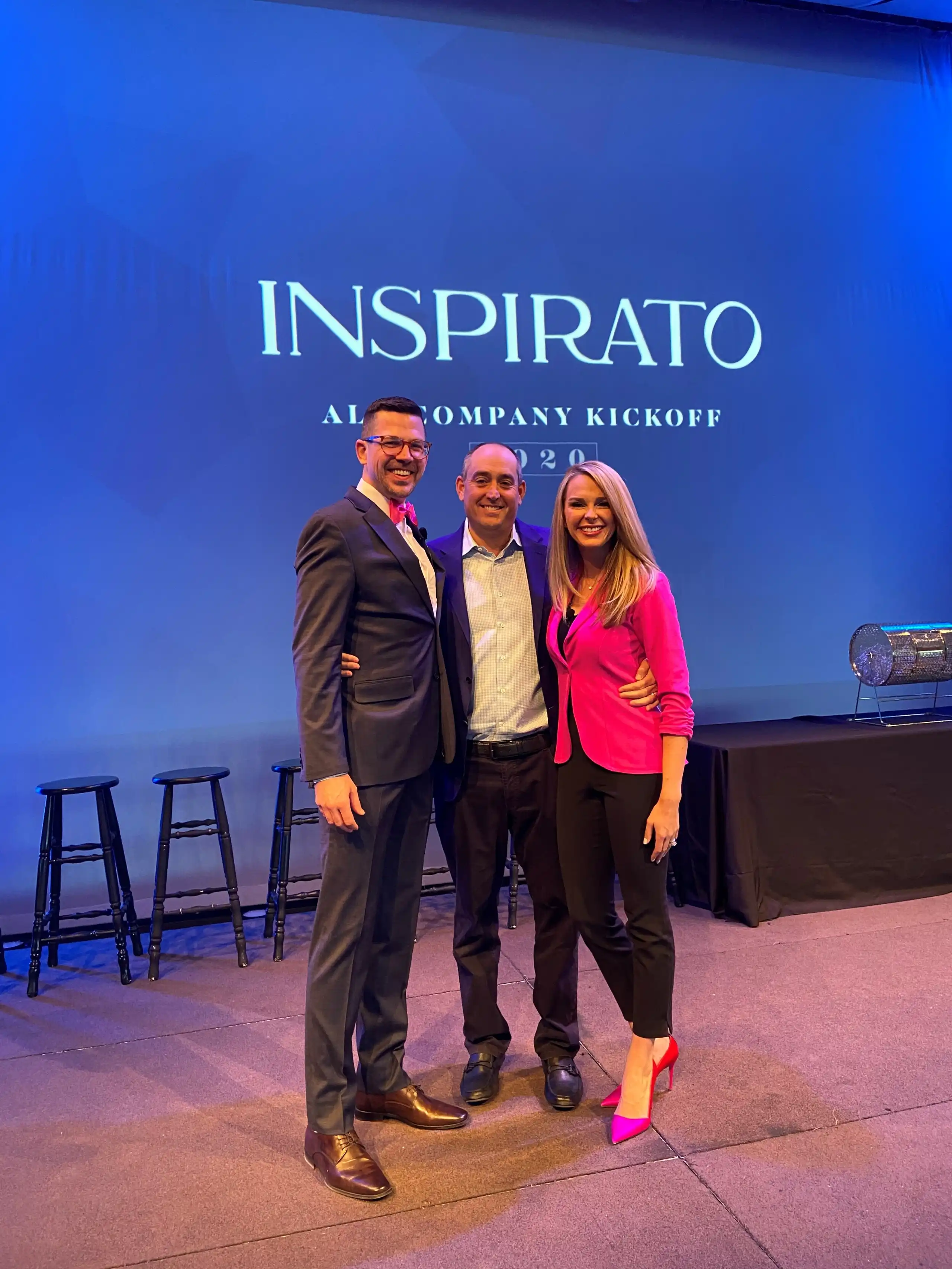
Soon after that conversation, Colby-Begovich was recruited by the luxury travel company Inspirato, based in Denver. The company offered high-end vacation homes and curated travel experiences for affluent clients around the world. His job was to bring structure and consistency to an expanding portfolio that included private homes, boutique hotels, and exclusive experiences.
“I became their Vice President of Guest Experiences. The company was coming out of the startup period, and they were trying to grow the portfolio; they wanted to make everything consistent. I succeeded in that role, and while I was there, we ended up taking on a whole portfolio of hotel partners that I then managed.”
Eventually, he was asked to create an entirely new category – curated global experiences.
“They asked if I would start up an experiential portfolio. That is how, for the first time, I dipped my toes into sports. The experiential portfolio chartered yachts and small luxury cruises. It offered luxury safaris along with food and wine experiences around the world, Michelin star weekends. But we also offered access to some of the world’s most premier sporting events – Formula 1, the Millionaire’s Row at the Kentucky Derby, and a private hospitality and experience at the Masters Tournament. The U.S. Open, Wimbledon… And so, I had built a team, and we were developing these experiences with partners around the world in sports, and then the pandemic hit. You know, I think everybody’s career story now has the pandemic moment. For me at the time, my business was travel, and travel basically stopped overnight.”
Like many companies in the travel sector, Inspirato faced layoffs and pay cuts. But amid the uncertainty, Colby-Begovich received an unexpected call from a recruiter.
The job opportunity? Professional football.
Scoring in the NFL
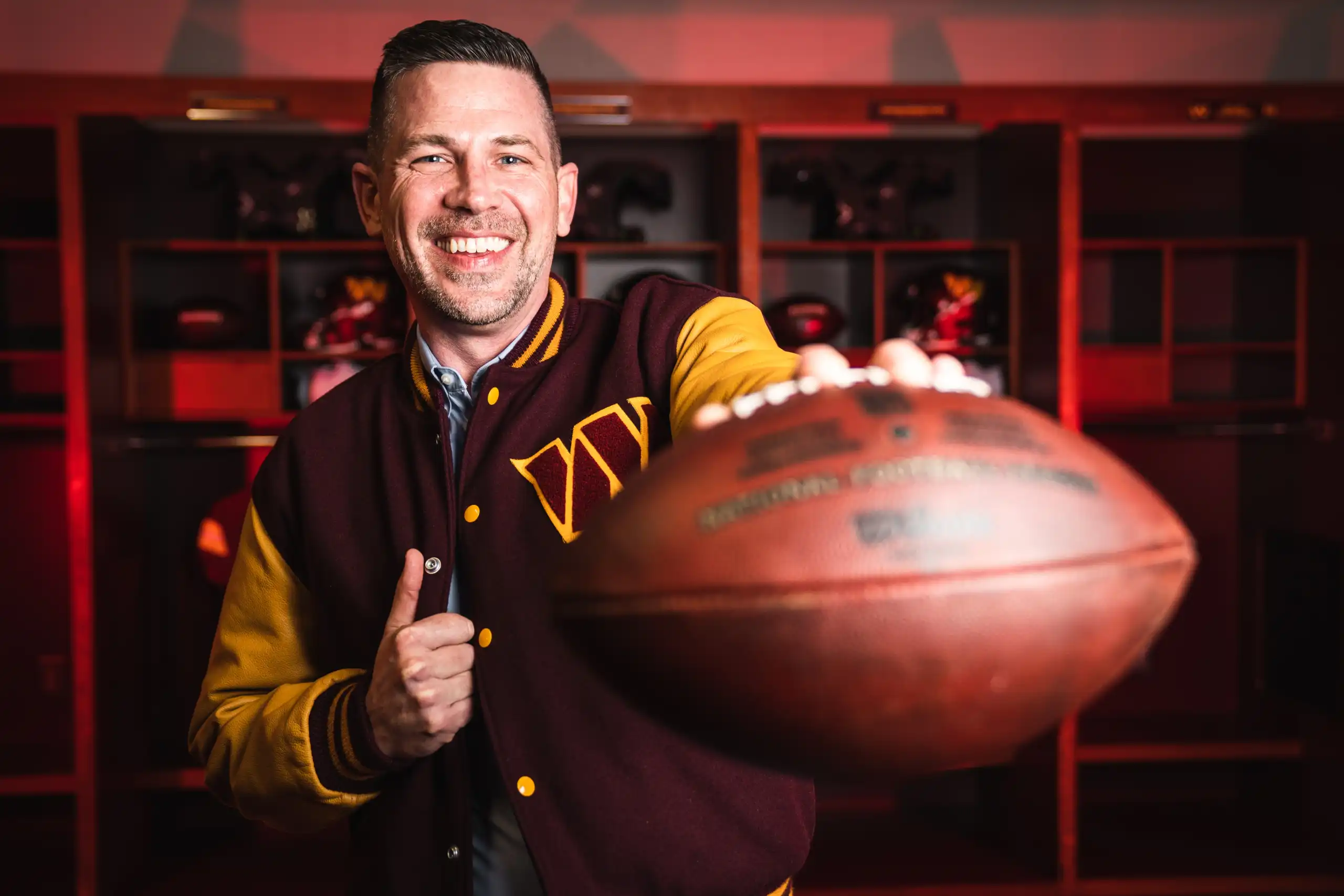
The Washington, DC NFL franchise was undergoing a dramatic transformation. A full rebrand, which was controversial and complex, required balancing fan sentiment with business realities. The team’s name changed from the Washington Redskins to the Washington Football Team, until it finally settled on the Washington Commanders.
The organization cleaned house through its executive ranks and was rebuilding its leadership team. Its new president, Jason Wright, wanted someone from outside sports to lead stadium guest services and entertainment. Colby-Begovich got a call from the organization. He initially declined the job – twice. He and his husband had just adopted their first child and built their dream home in Colorado. “It just didn’t feel like we could pick up and move across the country during the pandemic.”
Then Wright called him personally.
“He said, ‘Joey, what would it take to get you here?’”
That conversation changed everything. Within weeks, he and his family were relocating, and Colby-Begovich was stepping into the world of the NFL.
Running a Stadium Like a Cruise Ship
Despite the different setting, the job felt familiar.
“This had never crossed my mind, right? I worked on experiences at sporting events, but sporting operations? Then I realized – a stadium is basically a cruise ship vacation compressed into five hours. Instead of five or six days, you have this one window to deliver an incredible experience. I went from calling bingo games on a cruise ship to you know, vice president of one of the most valuable franchises in professional sports.”
His responsibilities touched nearly every aspect of game day: parking, gate entry, concessions, stadium entertainment, and fan services.
“To be able to bring my breadth of knowledge from the hospitality industry into the food and beverage, parking, and arrival experiences at a stadium – along with the communications that folks received before arriving at the stadium and the entertainment during the breaks on the field – that was a fun experience.”
It was also fast-paced and relentless. And not just at home base in Washington.
“I also ran all event functions, and we did events in away cities. I traveled with the team in season. I was never home. It was football all the time. I worked with some brilliant people there in all areas of the business, marketing and revenue functions. Even though it was controversial, I got to participate in things that people might not participate in during their career. Like a giant rebrand of a historic franchise.”
Finding Balance in Chicago
After four seasons in the NFL and the adoption of a second child, Colby-Begovich and his husband faced a difficult reality – his schedule left little time for family life.
“I hadn’t been home since July except to sleep and eat. My husband finally said, ‘We get you six months of the year, and the other six months we barely see you.’”
That conversation changed things. The couple decided that Colby-Begovich would start exploring new opportunities after the season.
Then the phone rang. Again.
It was Colby-Begovich’s former Washington colleague, Dave Baldwin, now president of the Chicago Fire FC, the city’s MLS team.
“He told me that they were going through a lot of staffing changes. The owner of the franchise was amazing and wanted to build a new stadium. He also told me that he needed to assemble a team that could help bring his vision to life. The first person that he thought of was me. But I didn’t know. I was trying to get out of sports.”
Colby-Begovich did accept the offer. That offer afforded him the balance he had been seeking. “The way that soccer operates, I don’t have to travel with the team. If I do, it’s rarely. There aren’t training camps and drafts. It’s basically just game day.”
Building the Future of Soccer in Chicago
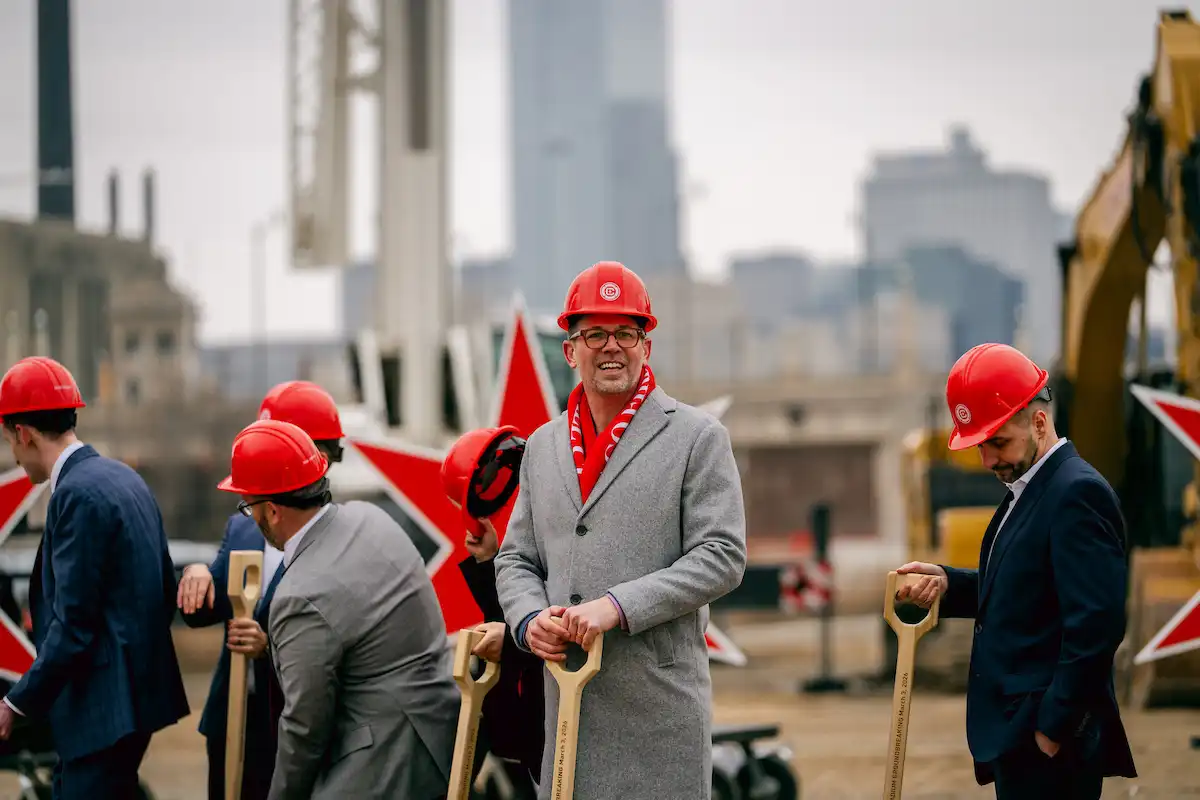
Now in Chicago, Colby-Begovich is helping shape the next chapter of the club’s growth as the team prepares to break ground on a new soccer-specific stadium in the city’s South Loop.
“We’re very focused on building something that looks like it belongs in Chicago. Not some modern monstrosity dropped into the skyline. I think about stadiums like neighborhoods. Different spaces for different fans – different food, different entertainment, different energy – so everyone can find the experience that fits them.”
The design philosophy reflects the city itself.
It’s an important time for soccer in the United States. The World Cup is coming, which is putting a lot of eyes on soccer. More Americans, from professionals to children, are enjoying the game. In Chicago, there is a lot of excitement. Not just due to a new stadium, but also the club’s training facility.
“We have a fantastic owner who’s invested a lot of money in the team. We just opened the most expensive and largest training facility in all of MLS.”
The fire is rising in Chicago.
Challenges of the Work
There have been challenges in Colby-Begovich’s work.
“There are so many outside factors in sporting events, just like in cruising. Regardless of how the team performs on the field, you have to control the controllables. Everything else is just noise. Especially when things go wrong. In the cruise industry, it can be something like the weather is bad and the ship can’t enter port. At a sporting event, the weather can also affect the game. But it’s all in the way that you show up. For the guests, it’s the tone that you use, the empathy and the understanding, the taking a step back and listening to how frustrated people might be.”
There is also the challenge of security.
“In order for guests to have a truly great fan experience, they need to feel safe. And so, we always prioritize security first. The gate experience is really twofold. One, it’s about making sure that things that aren’t supposed to be in the stadium – like weapons – aren’t coming in. That the people who are scanning their tickets and paid for the event are getting into the stadium. But two, it’s also a little bit about reminding people that this is a secured venue. That once you cross through the gates and magnetometers, you can take a breath.”
A final element, with the potential to bring greater challenges, but which shapes and modernizes the games, is technology.
“It’s hard to find a venue right now, unless you’re in Minor League Baseball, that accepts cash. So that means user experience on transactions for concessions, for merchandise, or any sort of in-stadium upsells has to be a really great experience, being cashless. A lot of people don’t even carry credit cards anymore, it’s all on their phone, so we need to be able to integrate that too.”
But the role of technology in the fan experience is far greater than that.
“The user experience for tickets, coming out of the pandemic, was so clunky, but now there are so many systems and emerging technologies for ticket scanning, self-service ticketing, that people can access to make things easier.
“I mentioned the gate experience before. One thing taking over stadiums across America are cutting edge weapons detection systems. Instead of walking through traditional magnetometers, guests are now walking through a seamless experience that they might not even know is there.
“I also think that the next big thing in sports entertainment stadium experiences is going to be facial recognition. It’s really emerging right now. It’s a way to not only capture data for the teams, but from a fan experience, it gives you the ability to travel and transact seamlessly through areas of the stadium, whether that be through food and beverage, merchandise, or other experiences, just by facial recognition. What’s holding this technology back right now is the debate over whether it’s a good or a bad thing. I think it’s a good thing. I know that those who like it appreciate the seamless, almost magical, Disney sort of experience. But I think that in order for this technology to actually take off, there needs to be trust built around it. That means real transparency. Especially when it comes to people’s data. That’s sort of the piece that hasn’t quite emerged yet.”
At its core, Colby-Begovich’s mission hasn’t changed since those early days on the Lido deck.
“It’s about creating moments. Experiences are fleeting. You have this one window to make something unforgettable.”
And if he does his job right, fans won’t just remember the game.
They’ll remember how it felt to be there.