“They would not be relegated to the kitchen like their forebearers: they would preside in the dining room as well. They would own their restaurants and court press attention, instilling in French cuisine a new and looser sensibility, a sense of humor and irreverence.”
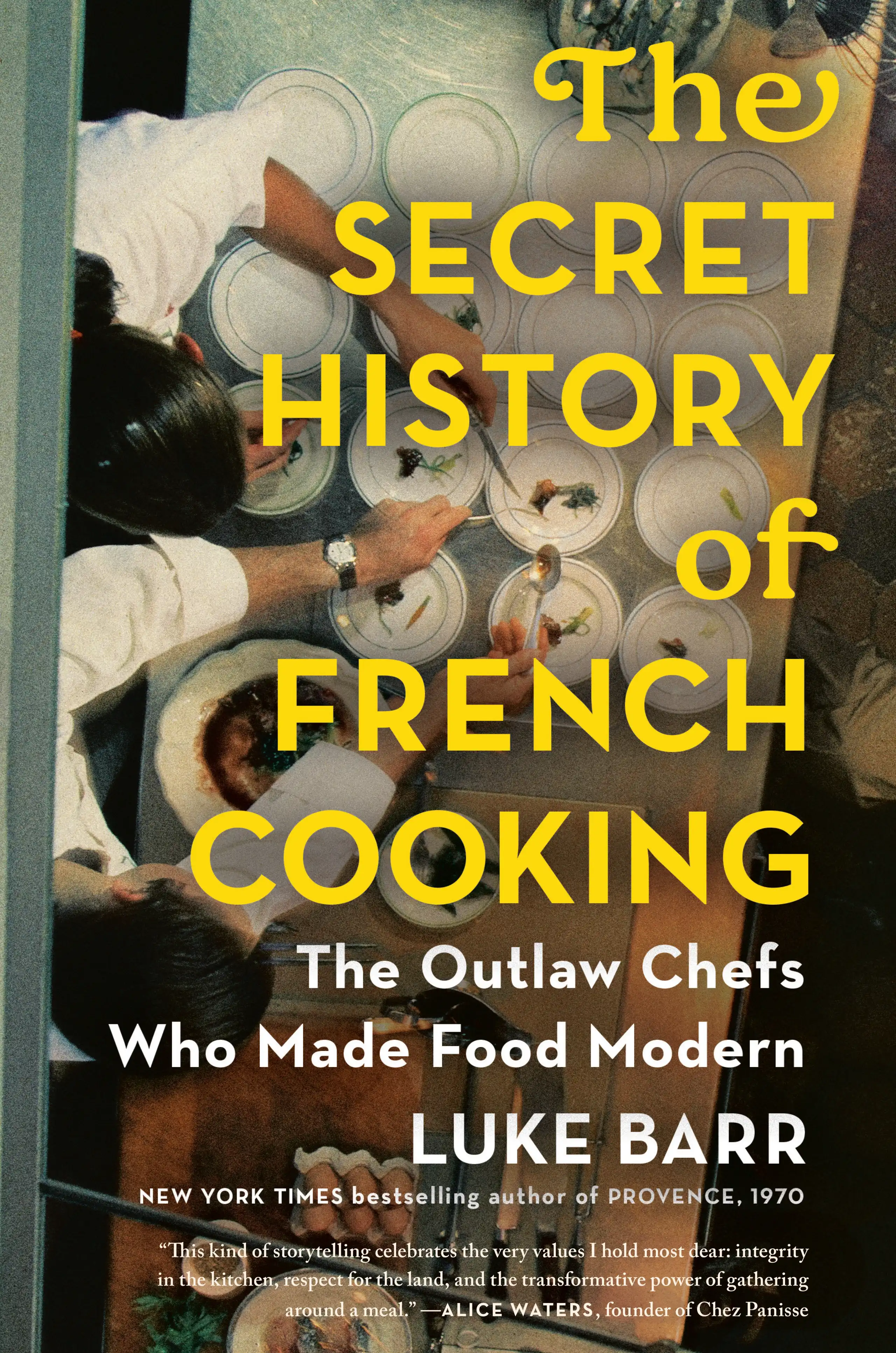
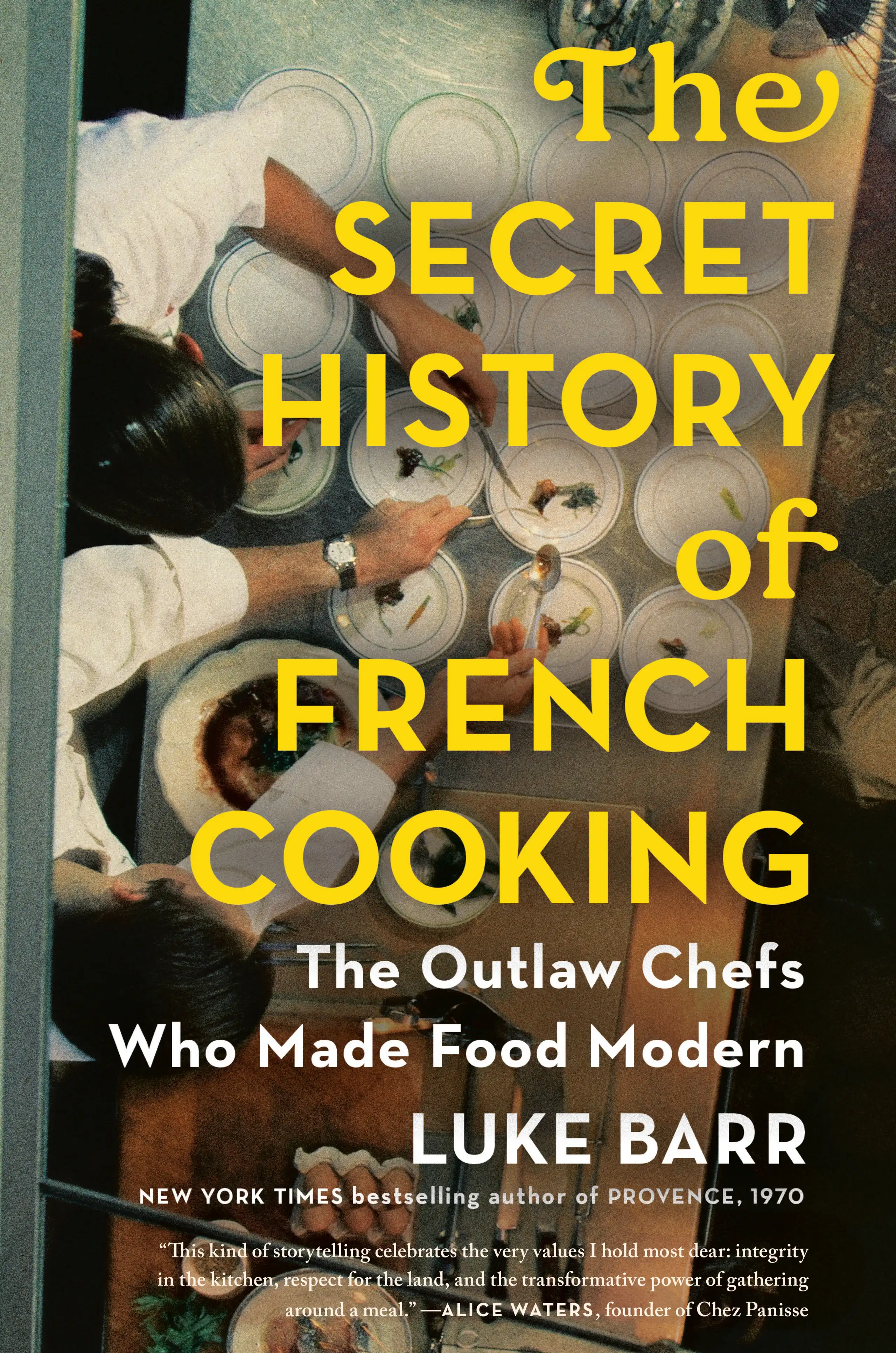
Luke Barr’s The Secret History of French Cooking is a fascinating exploration of the culinary revolution that transformed French cuisine and reshaped the way the world thinks about food. Set primarily during the 1960s and 1970s, the book chronicles the emergence of nouvelle cuisine, a movement that challenged centuries-old traditions of classical French cooking and introduced a new philosophy centered on simplicity, freshness, creativity, and individual expression.
At the heart of Barr’s story are the chefs who dared to question established rules and redefine what fine dining could become. Through the experiences of influential figures such as Paul Bocuse, Michel Guérard, and the Troisgros brothers, Barr reveals the ambition, rivalries, collaborations, and creative breakthroughs that fueled one of the most important transformations in culinary history. He also sheds light on the often-overlooked contributions of women in the culinary world, whose talent and innovation helped shape the movement despite working within an industry where recognition was frequently difficult to achieve.
What makes the book compelling is that it is not simply a history of recipes, restaurants, or famous chefs. It’s a story about cultural change. Barr shows how food evolved from traditioninto a form of artistic expression, with chefs becoming not only cooks but creators, innovators, and cultural figures. The rise of nouvelle cuisine reflected broader changes in society, from shifting attitudes toward creativity and individuality to new ideas about travel, lifestyle, and the pleasures of dining.
Barr’s writing captures both the excitement and the tensions of this transformative period. Behind the elegant dishes and celebrated restaurants were intense debates about authenticity, innovation, and the future of French gastronomy. The book reveals how progress often comes from challenging convention. How even the most respected traditions must evolve to remain meaningful.
Beyond its culinary focus, The Secret History of French Cookingis also a portrait of human ambition and imagination. It explores what drives artists and innovators to break from the past and create something entirely new. Readers are given a glimpse into the personalities, philosophies, and personal stories behind a movement that continues to influence restaurants around the world.
For anyone interested in food, history, travel, culture, or the creative process, The Secret History of French Cooking offers a richly detailed journey into the kitchens where modern dining was born. It is a celebration of French cuisine, but also of the visionaries who transformed the way we understand flavor and the art of the meal.