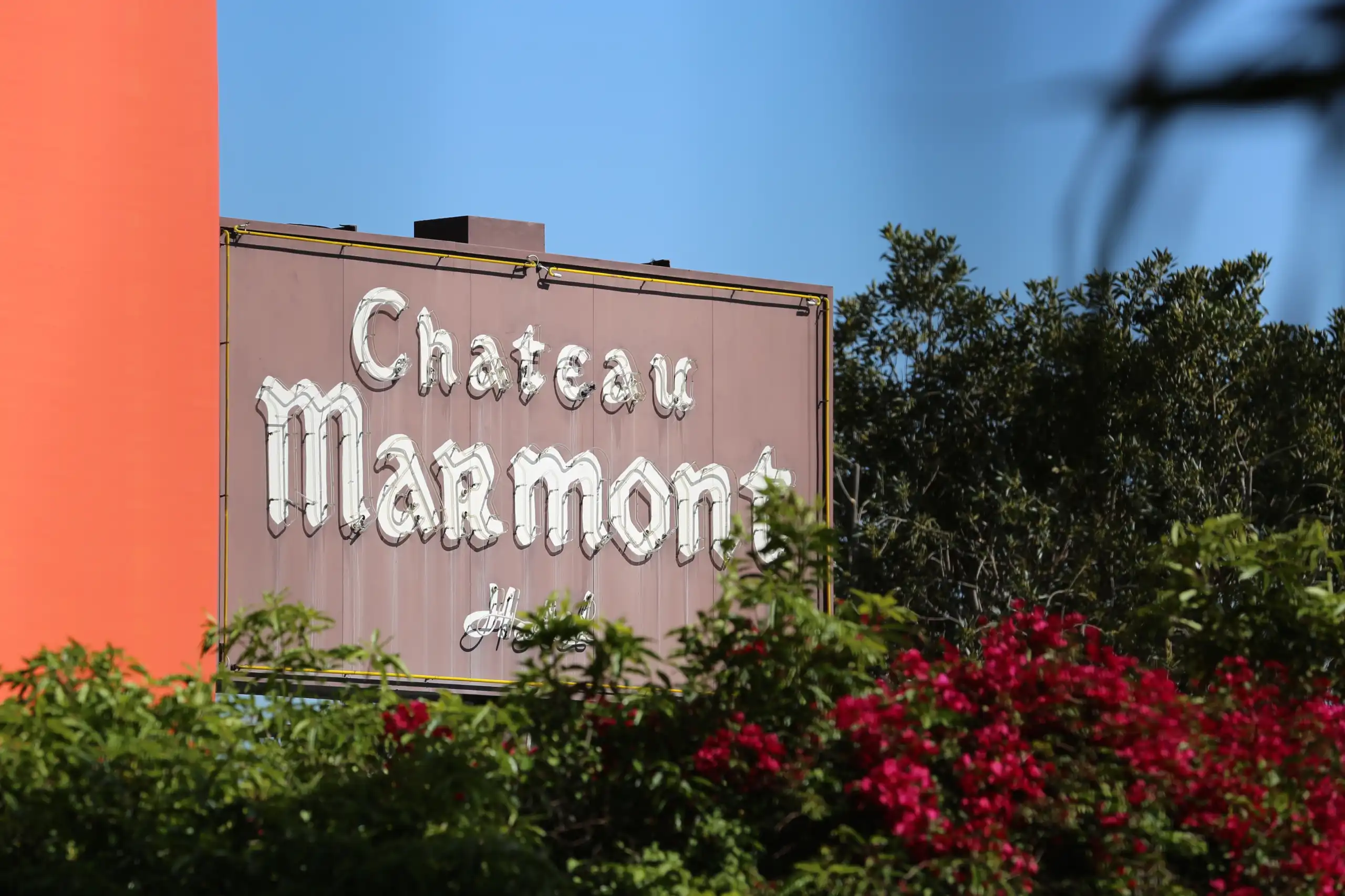
In most luxury developments, landscaping plays a supporting yet crucial role. It’s meant to soften the edges of architecture. Stay in the background and complement, not be the focus. But there is a new development in Los Angeles where that relationship has been completely flipped around.
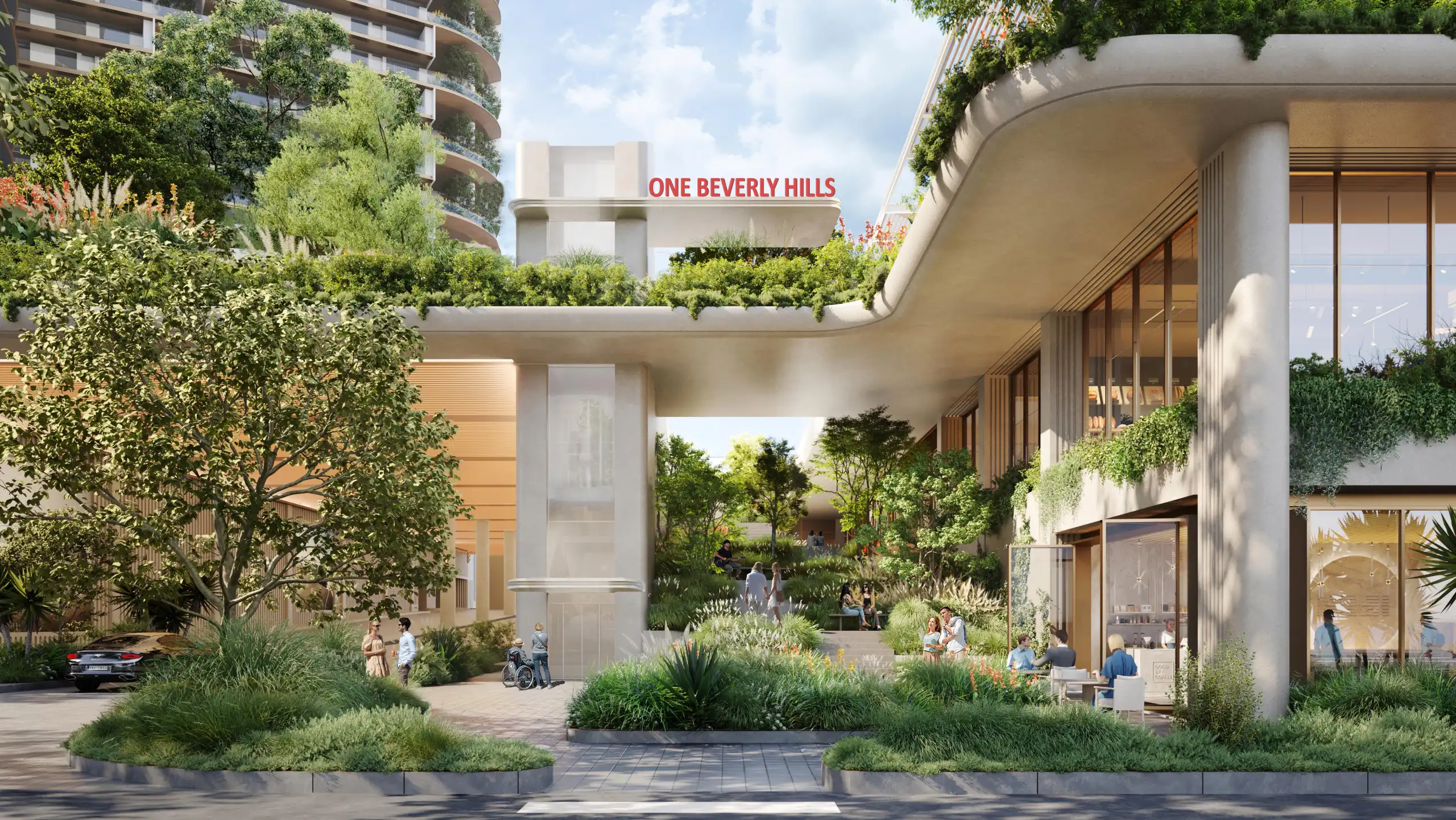
A collaboration of global and local real estate powerhouses spearheads the ambitious One Beverly Hills development. Led by Cain International, a London‑based investment and development firm, renowned for high-profile luxury projects across Europe and the United States, and joined by the OKO Group, a Miami-based developer with a portfolio of iconic mixed-use and residential properties worldwide, something incredibly special has been created. A unique vision has been brought to Beverly Hills, merging ultra-luxury design, sustainability, and innovation.
These developers have created one of the most ambitious private projects in the United States. It is a $10 billion mixed-use campus that combines high-end residences, the first West Coast Aman hotel, world-class retail, and an expansive public botanical garden forming the centerpiece of the entire development. Partnering with them is Alagem Capital Group, a Beverly Hills-based investor with deep local roots and ownership stakes in landmark properties like the Beverly Hilton. Together, all have ensured that the project remains true to the city’s historic fabric.
The entire One Beverly Hills complex is stunning, but the true heart of the development is its botanical garden. Ten acres have been devoted to a layered, immersive garden, several of which have been open to the public. Hotels, residences, and retail spaces orbit this space, designed to shape how people move, gather, and experience the development.
RIOS, an award‑winning global design collective that combines architecture, landscape architecture, and urban planning, in collaboration with Foster + Partners and KHA, two legends in architecture, shared a design vision for unifying the garden space. They drew on the past and the future to accomplish their goal.
A Garden Not by Any Other Name
In the early 20th century, residents of Beverly Hills recreated gardens they admired from abroad. The result was an eclectic, globally influenced landscape that became distinctly Californian. RIOS and partners created a landscape that draws from history, where plants from around the world have taken root, not as nostalgia, but rather as a living system. The foliage also represents the history of the area itself. At its core, the garden is a contemporary reimagining of Southern California’s horticultural identity. Each tree, shrub, and flower has been chosen for a reason.
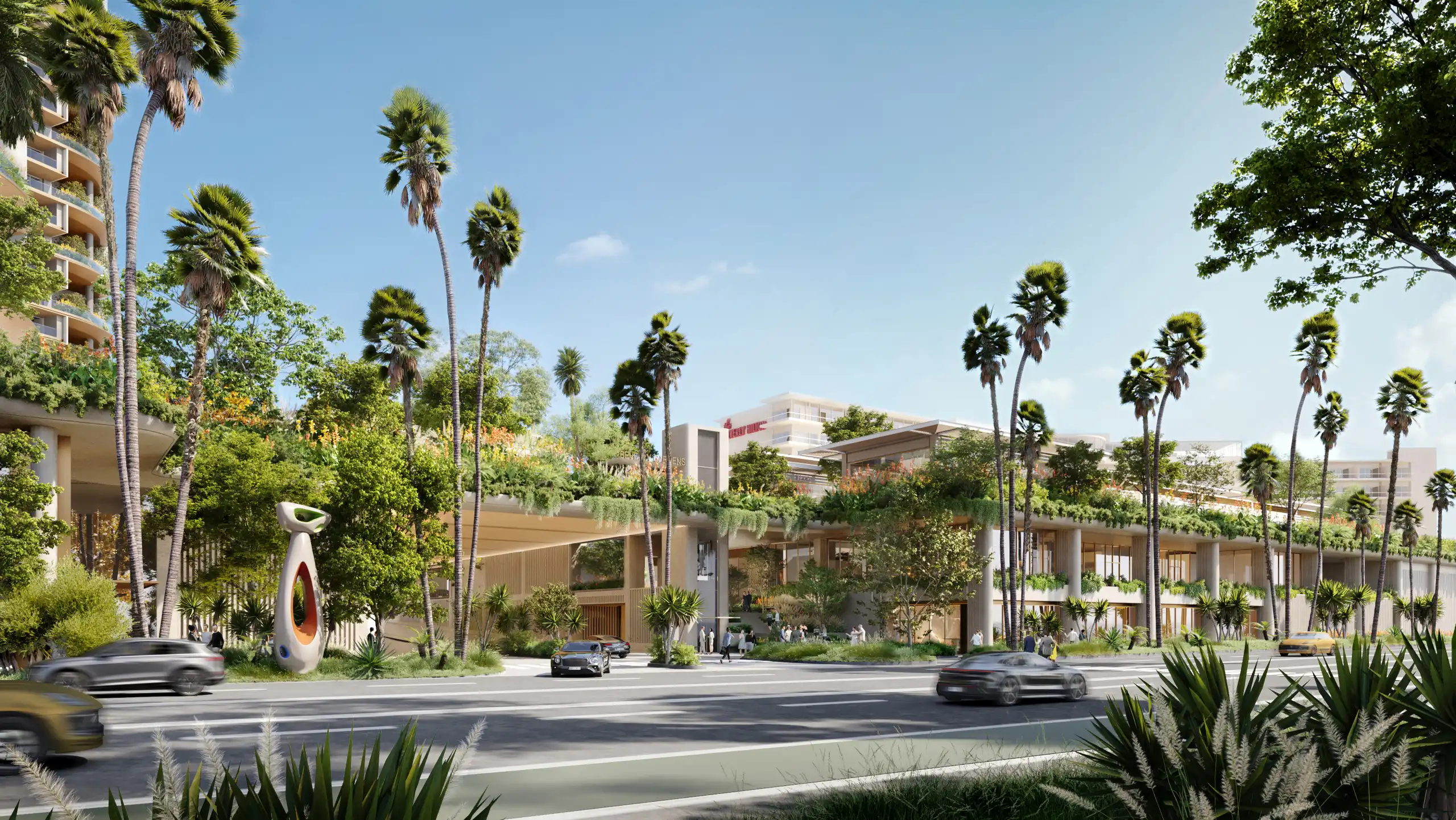
The Mexican Fan Palm is the symbol of Los Angeles. 25,000 of these trees were planted in 1931 as part of a citywide beautification effort for the 1932 Olympics. They, of course, have a wide presence in this botanical garden. So do the Canary Island Date Palms, which were used as the typical landscape tree in southern California before the Palms. The Coral Tree, Los Angeles’ official city tree, and Birds of Paradise, the city’s official flower, showcase their bold red blooms, while the red-berried shrub, the Toyon, which may have inspired the name “Hollywood,” is found here too.
There are also nods to the film industry found throughout the garden. Yucca, the namesake of the Cahuenga Pass, is a dramatic reminder of California’s rugged terrain. While the Century Plant, a Hollywood staple, is grown to evoke Western and desert landscapes on early film sets. Also used in old films was wood from the Cork Oak – it was a material source for knife props – and, yes, they are here too.
To experience the botanical garden is to take a journey. Open meadows transition into oak-shaded groves. Chaparral-inspired plantings soften into coastal expressions. Palm-lined corridors give way to quieter spaces where light and scent shift subtly. Pollinator gardens hum with hummingbirds, while grasses and understory plantings ripple with movement. The effect is an ecological story told through Southern California terrain and seasonality.
Its scale is striking. Roughly 2,100 trees from 45 species and more than 43,000 shrubs spanning 355 varieties are rooted in this garden. And with over 200 plant species in total, the garden ranks among the most biodiverse urban landscapes in California.
One very special element of this garden is that embedded within is a much deeper, connective layer. Many plant species found here trace back to the historic Beverly Hills Nurseries, which once occupied the site of the new development and helped to define the region’s early landscapes. The nursery itself was instrumental in shaping estates and landmarks throughout Los Angeles, including the Virginia Robinson Gardens and the Los Angeles Public Library, and even private homes for figures like Buster Keaton. Within the garden, the influence of the Nurseries carry on into the future.
More Than Green Space
Southern California is no stranger to drought conditions. The garden’s most ambitious feature may be the one that its visitors never see. Every inch of it is sustained without potable water, relying instead on a closed-loop system of captured rainwater and recycled greywater.
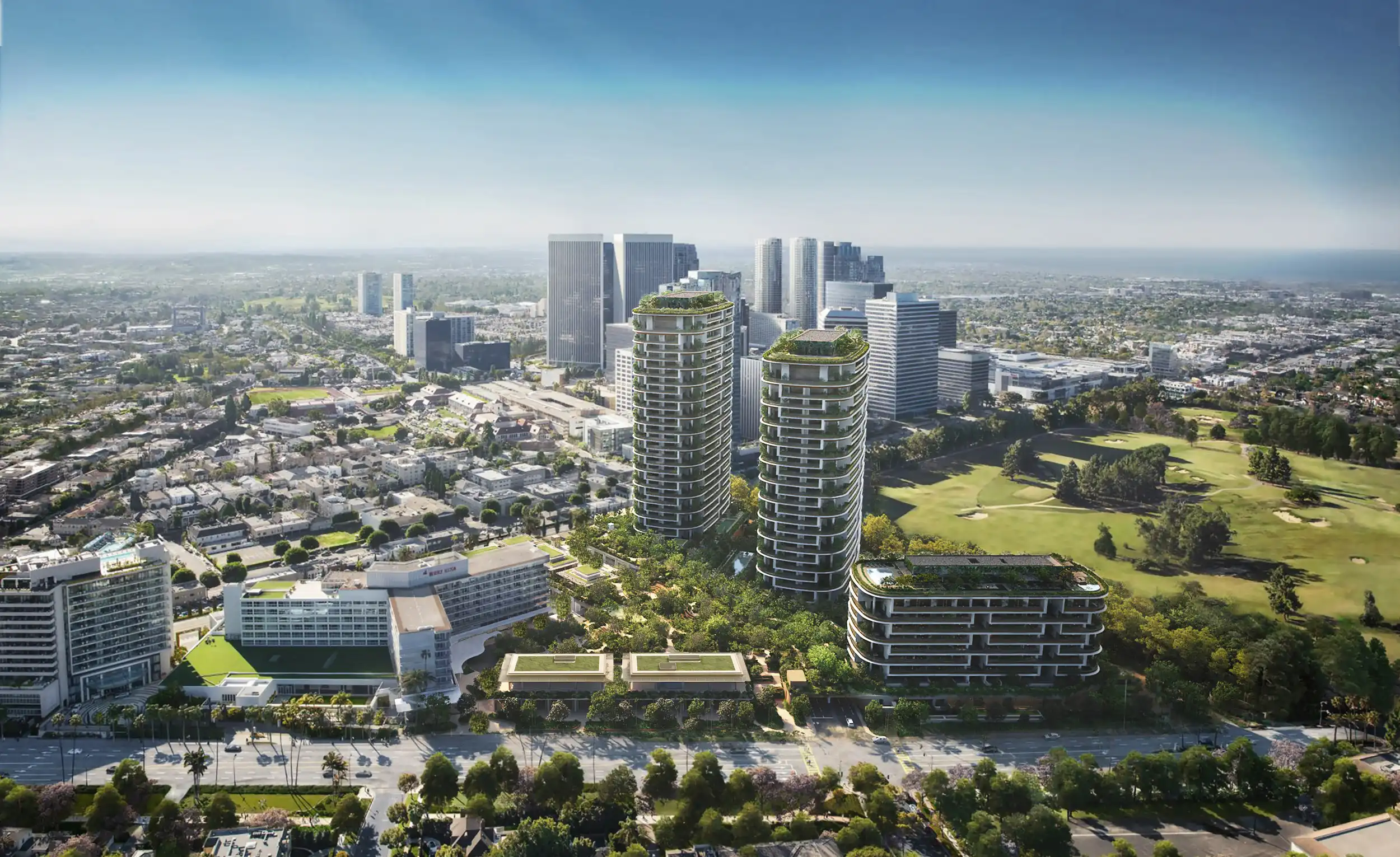
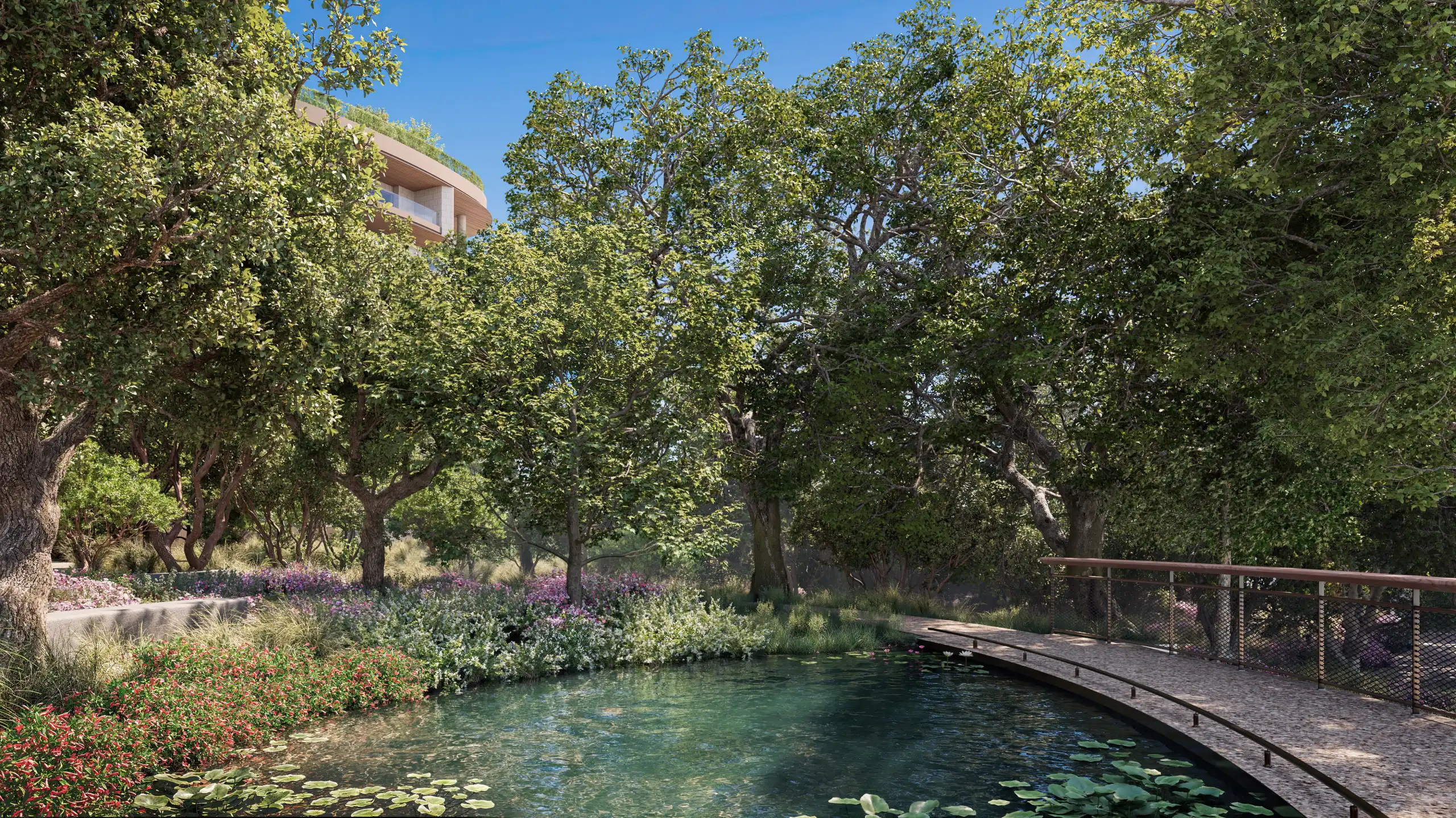
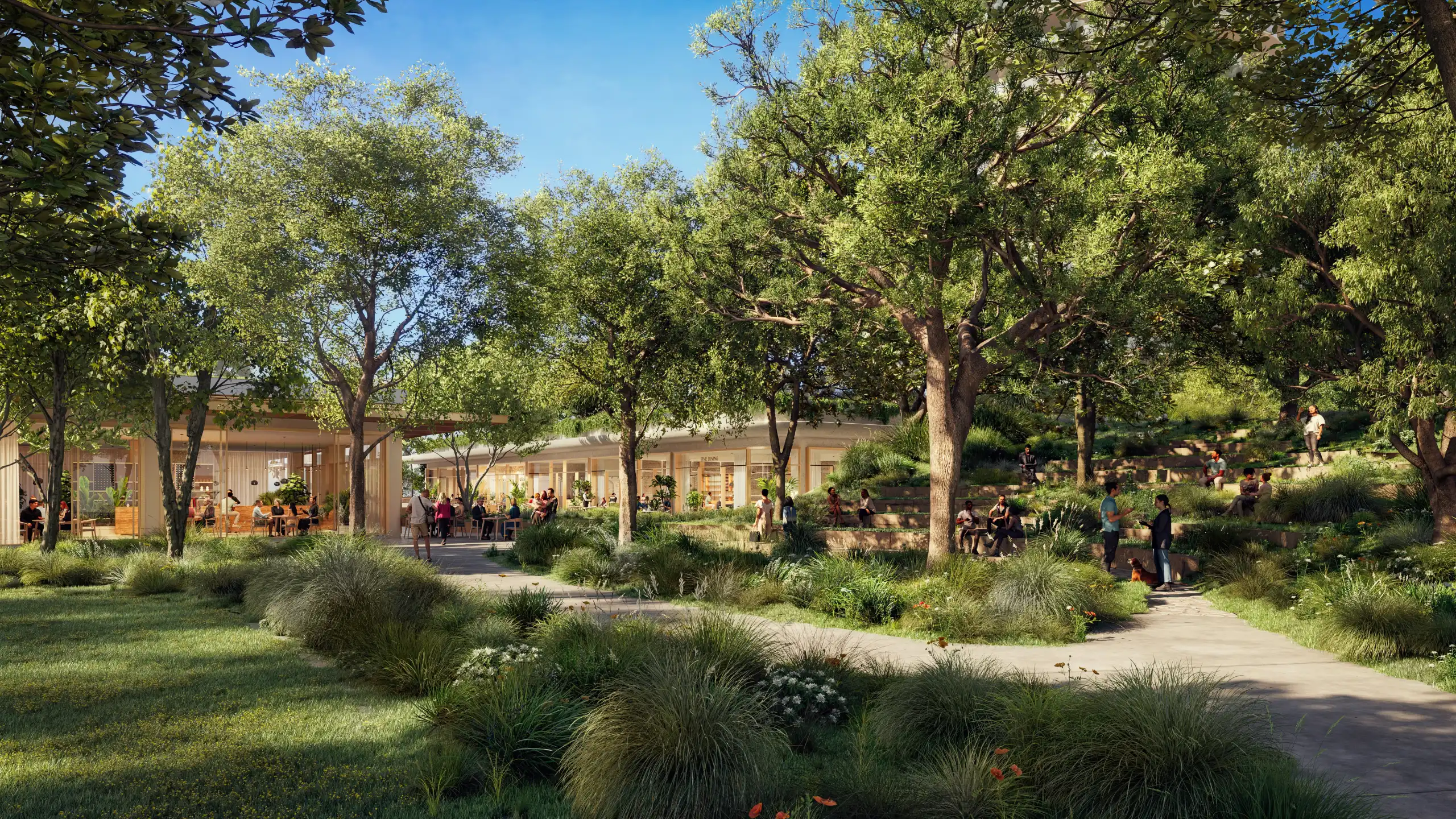
The planting strategy embraces resilience. It’s filled with drought-tolerant species, climate-adapted trees, and deep-rooted grasses that stabilize soil and store carbon below ground. The result is a landscape that feels abundant without excess. This is not simply a park. It’s an environmental infrastructure.
More than 500 trees will eventually form a growing urban forest, casting shade, reducing temperatures, and softening the urban heat island effect. At the same time, the garden operates as a habitat corridor, supporting pollinators, birds, and migratory species along the Pacific Flyway. It invites life back into the city, demonstrating how density and ecology can coexist.
Long before One Beverly Hills became the site of a luxury development, it was a place of horticulture. The legacy of the Beverly Hills Nurseries lingers in the soil, in the plant selections, and in the very idea that gardens can define a place. Today, that legacy has been scaled up. Reimagined. The garden reconnects Beverly Hills to its horticultural past while pointing toward a more resilient future.