“When the breath of the reindeer got closer, Vanu turned around in surprise, and he was even more amazed to recognize both the reindeer and the one seated in the sledge. The young neighbour did not turn away his gaze, even though Vanu saw how much the effort cost him. Well then, this is what a man does. A man who turns away his gaze always looks like a beast: you don’t know how he will behave.”
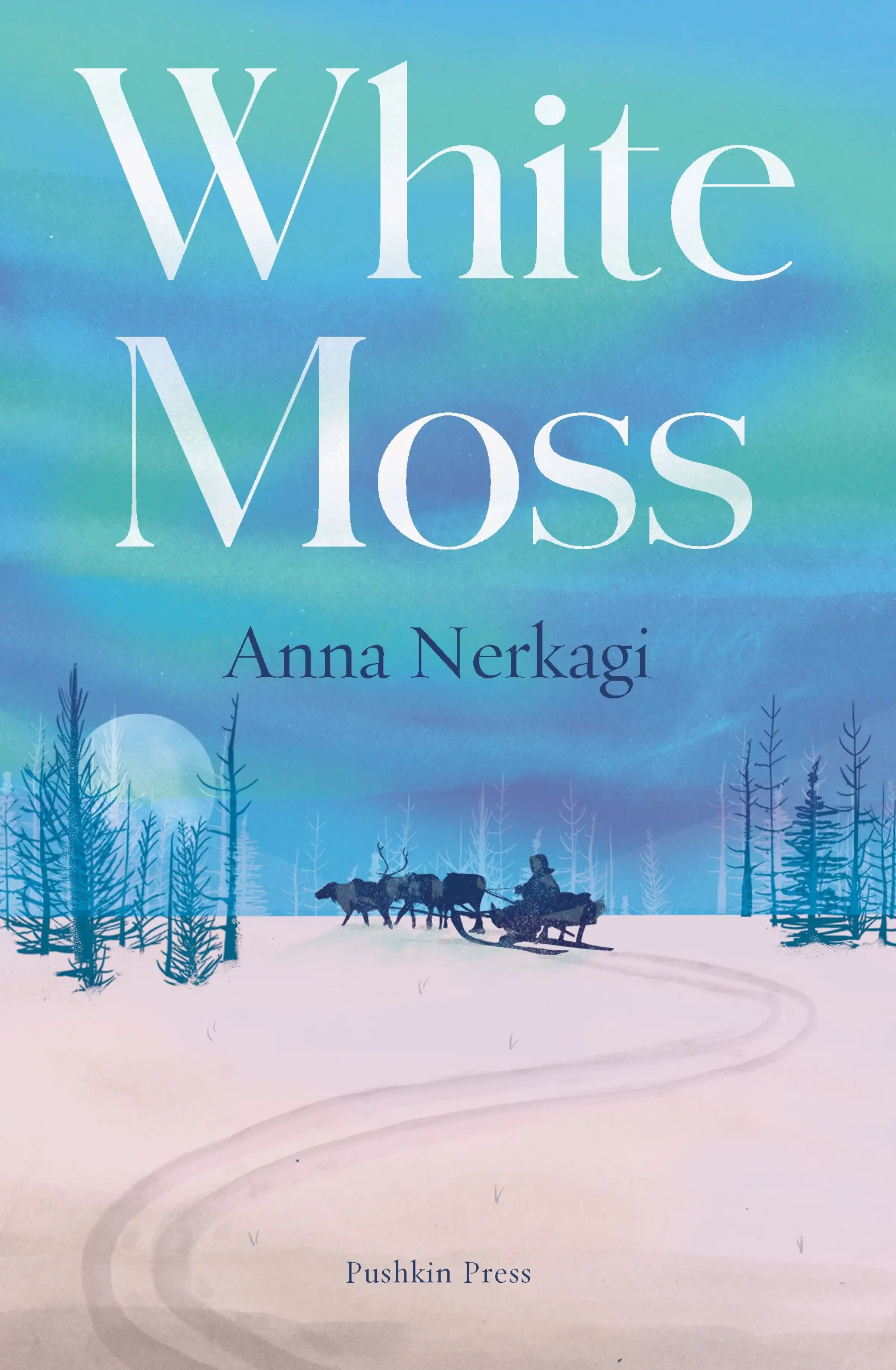
White Moss is a haunting novel that offers readers a rare glimpse into the lives of the Nenets, the Indigenous reindeer-herding people of the Siberian Arctic. Set against the vast tundra, the novel explores the enduring relationship between people, nature, and tradition while examining the profound changes brought by the modern world.
The writer draws on her own cultural heritage to create a story that is both intimate and universal. Through richly developed characters, she portrays the challenges of preserving ancestral customs in the face of social and political pressures that threaten a way of life rooted in the land. The novel explores themes of identity, family, survival, and the difficult choices that arise when generations hold different visions of the future.
This book offers a powerful sense of place. The Arctic landscape is more than a backdrop. It becomes a living presence that shapes every aspect of the characters’ lives. Nerkagi’s lyrical prose captures both the stark beauty and unforgiving realities of the tundra, thus allowing readers to appreciate how closely the Nenets’ culture is intertwined with the natural environment.
Beyond its compelling narrative, White Moss offers an important perspective on Indigenous knowledge and resilience. Rather than romanticizing life in the Arctic, Nerkagi presents it with honesty and compassion, revealing both its hardships and strengths. Her storytelling invites readers to consider what may be lost when traditional cultures are displaced and why cultural memory remains essential to a people’s identity.
White Moss is a rewarding and thought-provoking read. Anna Nerkagi has crafted a novel that is as much about the preservation of culture as it is about the resilience of the human spirit, reminding us that even in the harshest landscapes, identity and hope can endure.