“A naturalist who needed a picture of a plant or animal hired an artist (unless he or she was an artist). Because the conventions of art and science required that a drawing offered into evidence of a fact that must be published, biodiversity art circulated in reproduction.”
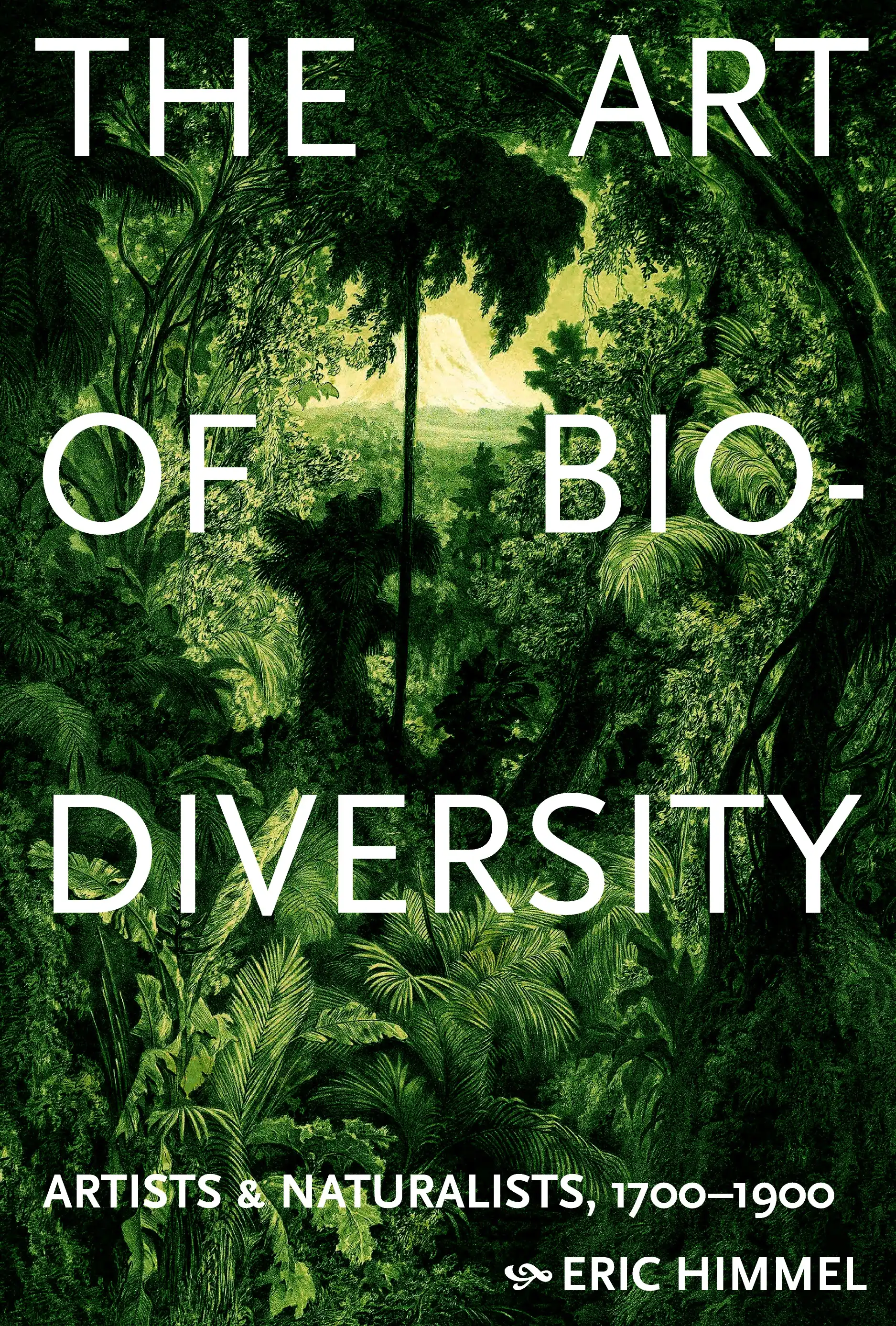
Eric Himmel’s The Art of Biodiversity is a beautifully crafted exploration of the relationship between scientific discovery and artistic expression. It is difficult to classify the work as it feels like an art history book but reads almost as a field guide. It is very unique in its conception and delivery.
Rather than treating natural history illustrations as simple decorations for scientific texts, Himmel reveals them as important works of art that have helped humanity understand the incredible variety of life on Earth. The book examines the period from 1700 to 1900, when artists and naturalists worked together to document plants, animals, and other forms of life before the age of photography.
One of the book’s greatest strengths is its ability to show how art and science have always influenced each other. Himmel introduces readers to both famous figures and lesser-known artists whose detailed illustrations shaped the way people viewed the natural world. The pages are filled with remarkable images that not only demonstrate observation but artistic skill, making the book enjoyable even for readers who may not have a background in biology or art history.
Himmel’s writing is engaging and informative. He provides historical context without becoming overly technical. An interesting feature of his writing is that Himmel explains how naturalists relied on artists to record species accurately and how these images played a major role in the development of modern biology. The book also encourages readers to think about biodiversity not just as a scientific concept, but as something that inspires curiosity, creativity, and appreciation for the living world.
Overall, The Art of Biodiversity is an impressive celebration of nature and human curiosity. Himmel successfully brings together art history and natural science in a way that feels both educational and inspiring.