The Rise of Travel That Teaches You Something (Real)
Forget the souvenir shops and rushed sightseeing itineraries. A new kind of traveler is emerging. This traveler is less interested in collecting postcards and more interested in collecting skills. They embark on what are called “skillcations,” which blend immersive travel with hands-on learning. They return home with more than photographs. They come back with techniques, traditions, and stories to last throughout their lifetimes.
Across the globe, travelers are trading passive tourism for experiences that place them inside kitchens, workshops, forests, fishing rivers, and ancient cultural practices. Whether mastering Tuscan pasta-making on a family farm or learning wool shearing and Lopi sweater making in Iceland, the modern vacation is becoming participatory.
Skillcations are not simply about learning a new hobby. They are about anchoring travelers’ understandings of a culture through local rituals and the craftsmanship that sustains the area.
Culinary Skillcations
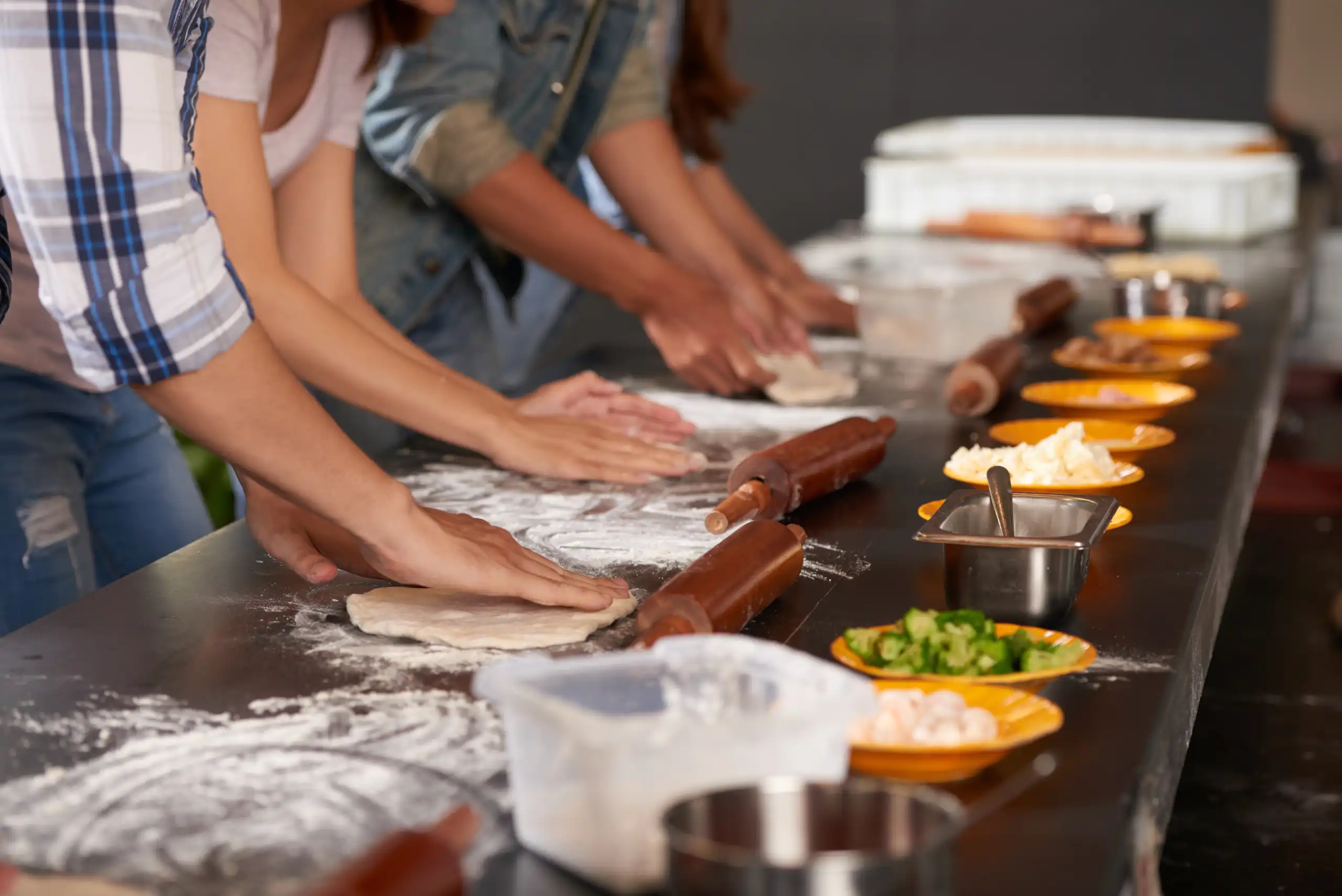
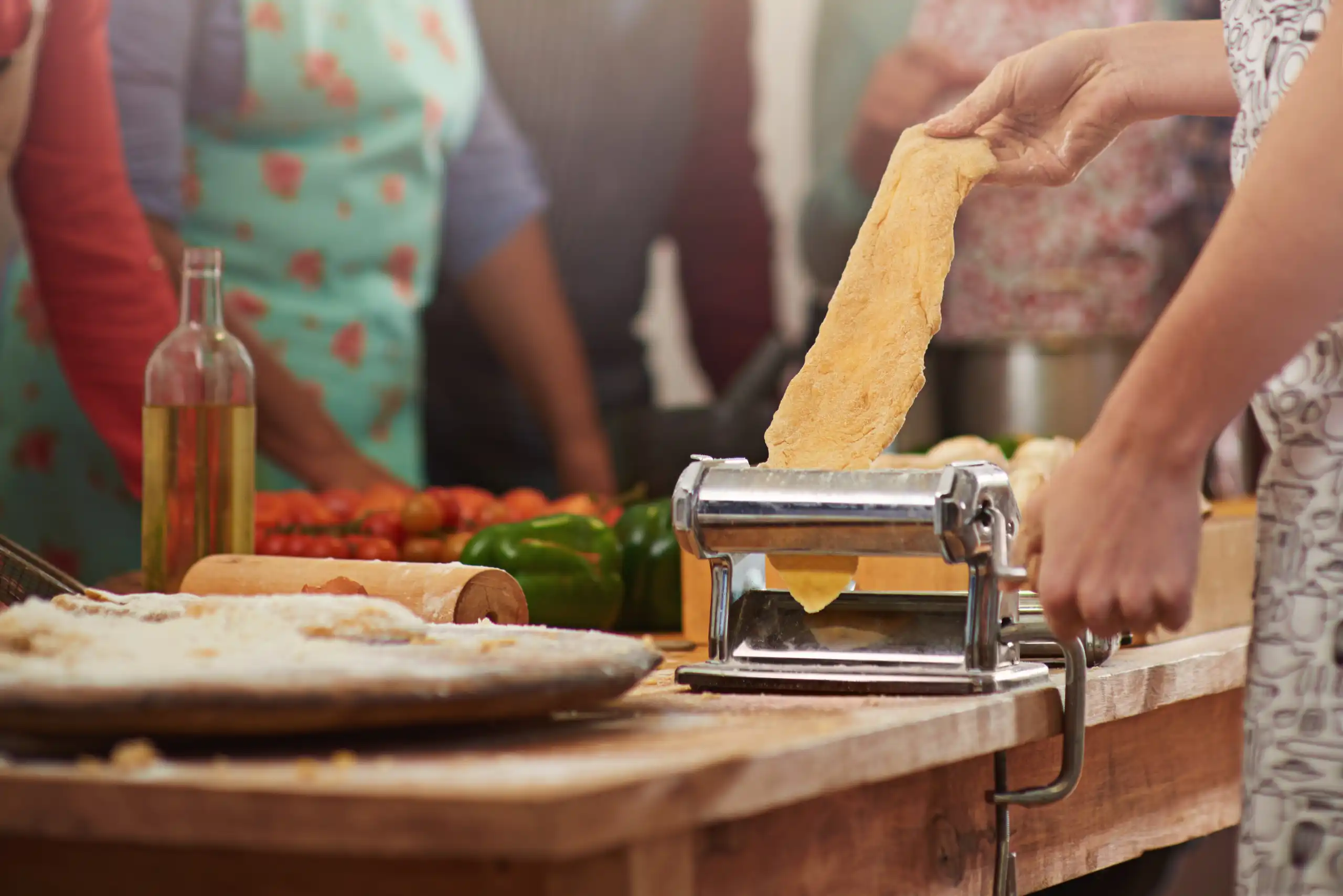
In Italy’s countryside, groups gather around tables on Tuscan farm-to-table retreats. These retreats immerse participants in the traditions of rural Italian life by teaching students how to harvest seasonal vegetables, identify herbs, and prepare ingredients according to generations-old culinary practices. The pupils then use their knowledge (and picked produce!) to create rustic meals that evening. To further their experience, many retreats offer students an introduction to olive oil production, local winemaking, and the importance of regional ingredients that are shaped by Tuscany’s landscape and climate. This experience is much more than a cooking class; it’s an education in Tuscan cultural identity, where soil, family recipes, and slow food traditions are woven into every lesson and meal.
But Italy is only one stop on the growing global map of culinary skillcations.
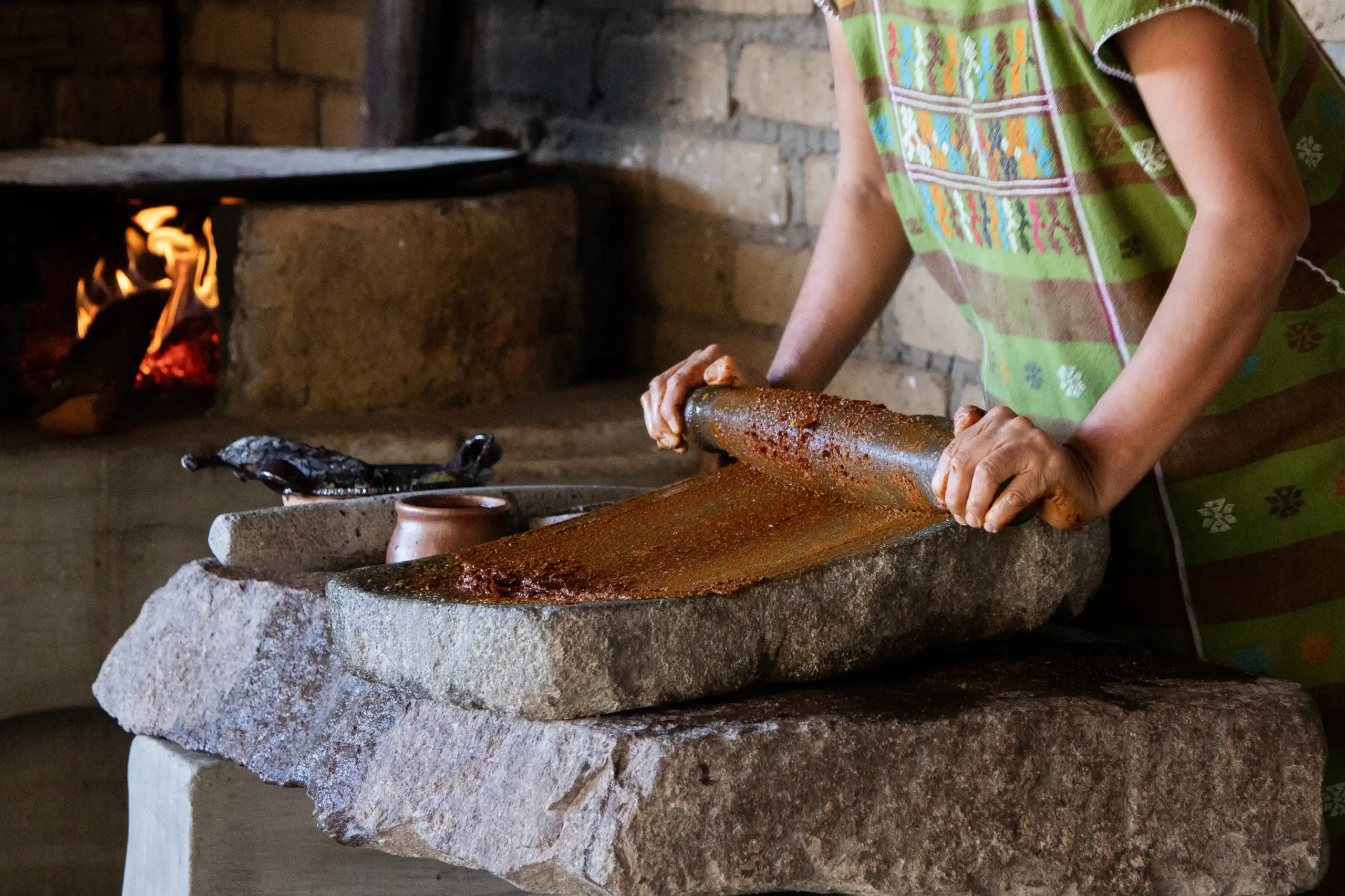
In Mexico, mole workshops teach students the complexity behind one of the country’s most iconic sauces. Participants toast dried chilies, grind spices by hand, and learn how ingredients like chocolate, seeds, nuts, and herbs are layered to create distinct regional variations of mole. Instructors explain how recipes differ from village to village and how the dish itself reflects centuries of Indigenous, Spanish, and local culinary influences. As sauces simmer, travelers uncover the layered cultural history hidden inside every pot.
Skillcations in Thailand are very popular, particularly immersive street food masterclasses. Students weave through crowded stalls filled with the scent of lemongrass, basil, and charcoal smoke. Instructors introduce the essential principles behind Thai cuisine and vendors who have perfected dishes over lifetimes. The students are taught how to properly balance sweet, sour, salty, spicy, and umami flavors in both traditional and contemporary recipes. And, along the way, participants learn how regional ingredients, market culture, and family techniques shape the country’s vibrant food identity. This experience captures not only the mechanics of Thai cooking, but also the energy and spirit that define street food culture throughout the country.
Meanwhile, Tasmania’s wilderness foraging excursions transform dense forests and rugged coastlines into living classrooms. Guided by local experts, travelers learn to identify edible native plants, wild herbs, mushrooms, and sea vegetables unique to the island’s ecosystems. The experience also introduces participants to the environmental fragility of Tasmania’s remote landscapes and the importance of sustainable harvesting practices. What begins as a culinary adventure often becomes a deeper lesson in conservation, biodiversity, and humanity’s relationship with the natural world.
Environmental Skillcations
Across Oceania, travel experiences increasingly center on environmental knowledge, ancestral traditions, and physical craft.
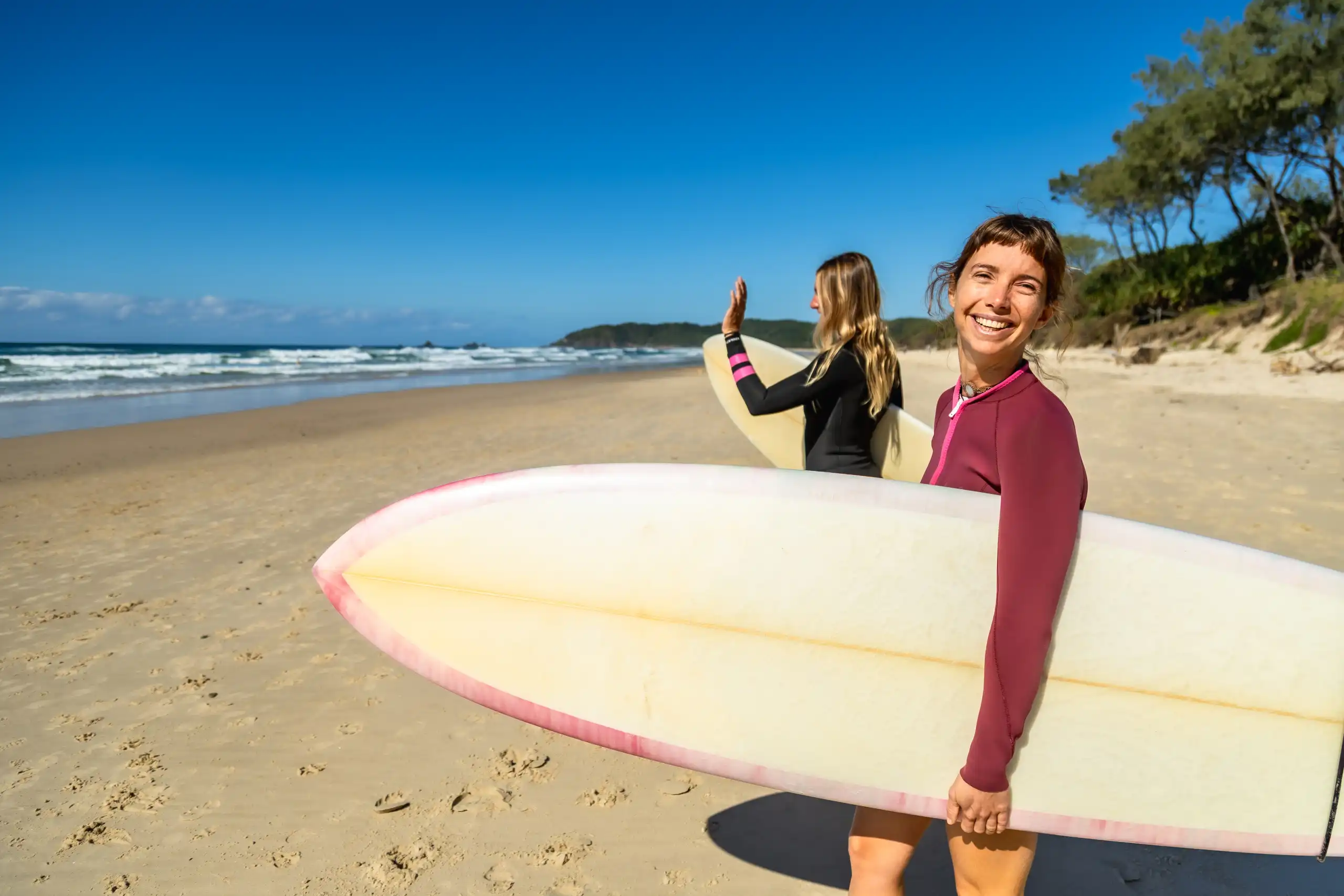
In Byron Bay, surf instruction extends far beyond catching a wave. Students learn how to read ocean currents, understand shifting tide patterns, and interpret weather conditions that shape the coastline each day. Here, instructors emphasize respect for the sea and the relaxed rhythm that defines Australia’s surf culture. By the end of the experience, travelers gain not only technical skills but also an awareness of the ocean’s changing moods.
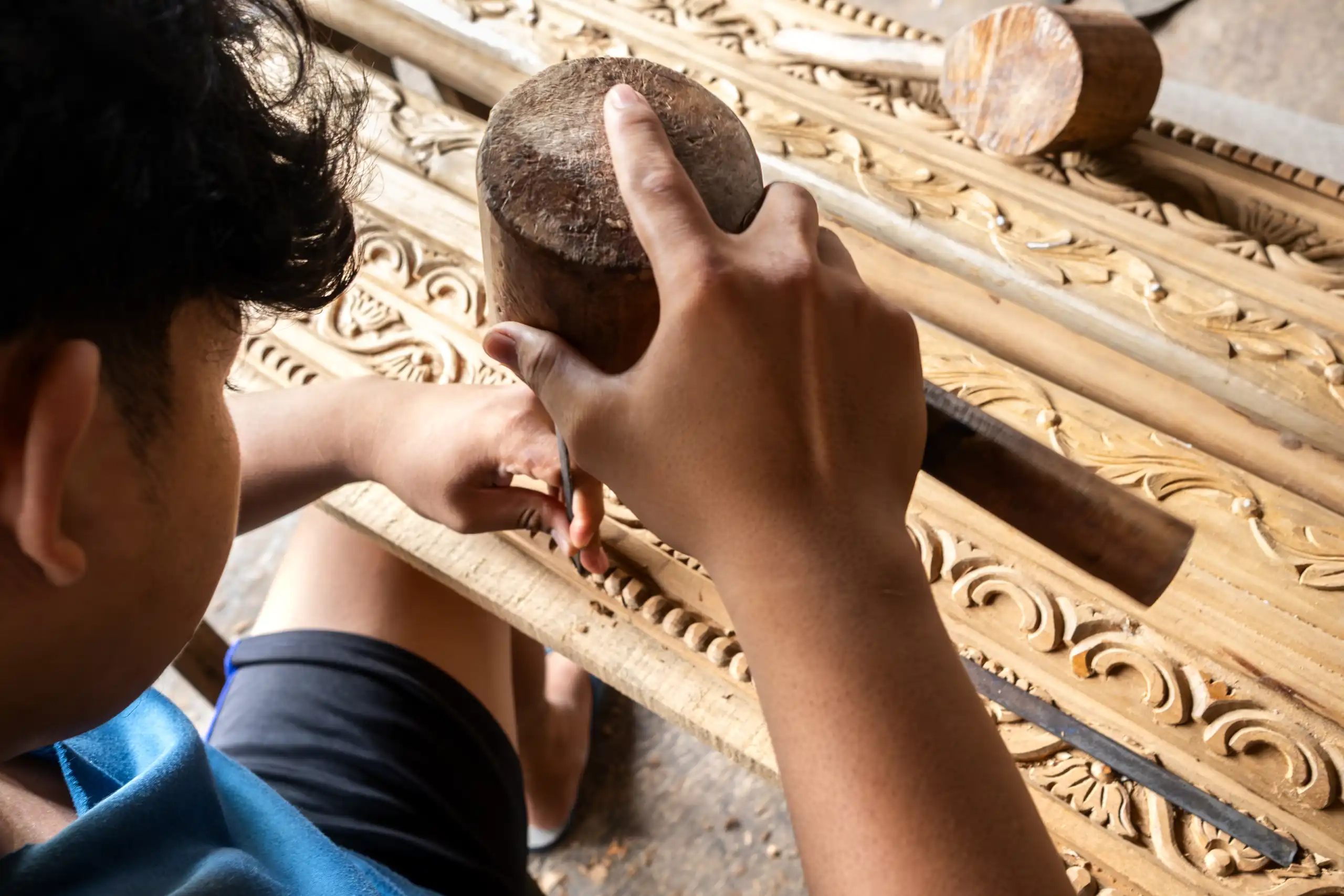
Jumping across to New Zealand, we find Māori carving workshops which introduce skillcationers to an artistic tradition where every shape and pattern carries layered cultural meaning. Under the guidance of master carvers, participants learn how carving serves as both storytelling and a way of preserving ancestry, spirituality, and tribal identity. The process requires both patience and reverence, with each carved line reflecting generations of inherited knowledge and symbolism. Rather than simply creating decorative objects, these travelers are gaininginsight into a living cultural practice that remains deeply connected to Māori history and community life.
And, throughout Fiji, traditional canoe building workshops reconnect visitors with Indigenous knowledge systems rooted in navigation, movement, spirituality, and community. These are not performances designed for tourists. No. They are invitations into living traditions.
Niche Skillcations
Some of the fastest growing skillcations are experiences that are incredibly niche.
For example, people are traveling to Iceland to learn the painstaking process of preparing wool that they will then use while learning how to knit traditional Icelandic Lopi sweaters. These workshops connect participants to centuries-old Icelandic survival traditions, where both craftsmanship and practicality are deeply intertwined.
In Finland, sauna-building workshops blend architecture, woodworking, and ritual into a hands-on cultural immersion. Participants explore why sauna culture remains central to Finnish identity and social life, while learning the construction techniques behind these iconic spaces.
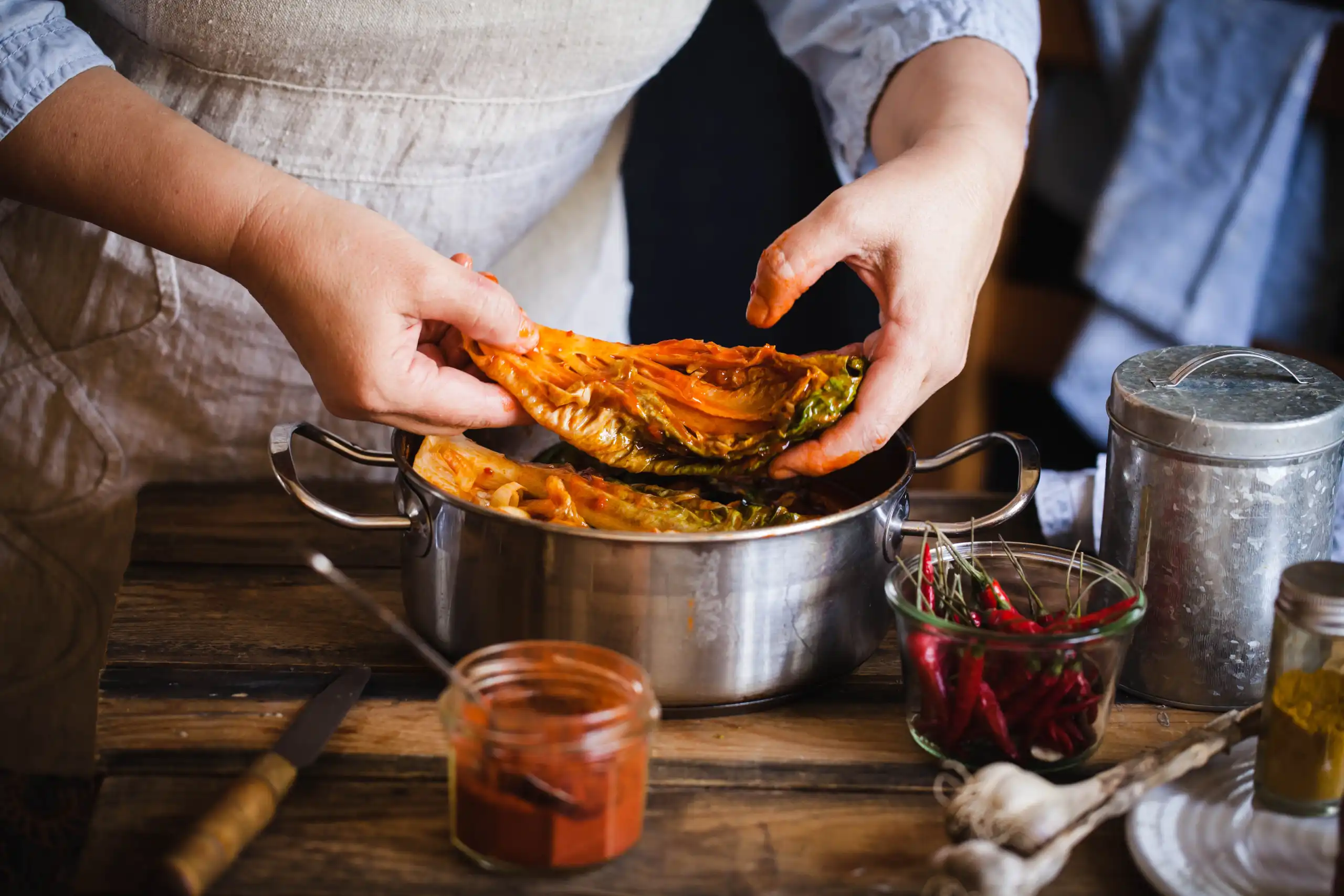
Meanwhile, workshops in South Korea immerse travelers in the ancient fermentation practices behind kimchi, soy pastes, and preserved foods. Students discover how climate, timing, and intuition shape flavors that have been refined across generations.
And, we can’t forget Switzerland, where alpine cheese-making retreats often begin before sunrise, when fresh milk and cold mountain air create ideal conditions for production. These experiences offer students insight into the pastoral traditions that continue to define life in the Swiss Alps.
Finally, Vienna calls, and so do the workshops in this city which offer intensive classical violin programs. Here, musicians refine posture, bow control, and interpretation. Studying in the historic center of European classical music adds cultural depth to the technical discipline required of the craft.
Planning skillcations
There are many ways to design a skillcation. They take time and research. You can focus on developing one skill at a time, combine multiple skills within a single city or region, expand across an entire geographic area, or follow one discipline across different parts of the world. All allow you to experience how culture shapes different crafts.
In London, for example, a culinary skillcation could be lived over the course of several days. The first day might center on mastering artisan bread and sourdough baking. The second islearning Indian and South Asian curry techniques influenced by the city’s vibrant multicultural food scene. A third day could be studying British tea culture and afternoon tea service. This, of course, includes pastry pairing, presentation, and hospitality traditions unique to the UK.
London also works well for multi-skill immersion. Learners can move throughout the city learning about art through museum-based programs. Or they can explore film and media production through the city’s theater and entertainment industries. Perhaps classes in architecture and urban design through historic landmarks and modern sustainability-focused developments will add to one’s skill set.
Planning a skillcation that traverses the world is an experience of a lifetime. A global painting-focused skillcation takes travelers across several regions; it builds much broader artistic and cultural perspectives. For example, in Florence, students might study classical painting techniques rooted in Renaissance traditions. Leaving the Renaissance behind, studying in Kyoto, would teach them the Japanese ink painting, brush control, and minimalist composition shaped by Zen philosophy. Then, Marrakesh leads to the immersion of vibrant color palettes, geometric patterns, and texture inspired by North African visual culture. Together, these experiences create a layered global education in painting that moves from technical mastery to culturally rooted artistic expression.
The appeal of skillcations lies partly in their resistance to speed. They require attention, lots of planning, and a touch of humility. And because travelers aren’t consuming destinations, rather living the culture, the experience slows time. There is no rushing.
There is also a growing desire for authenticity in an era dominated by digital overload. Learning a physical skill – whether it is kneading bread, carving wood, or tying fishing flies– offers something that is becoming increasingly rare: a tangible accomplishment.
The most coveted travel experiences are no longer necessarily the most exclusive resorts, but ones that leave travelers transformed in lasting ways. And unlike ordinary vacations, skillcations follow travelers home. Long after the flights land and suitcases are unpacked, the lessons remain. Whether it’s a perfected broth recipe, a hand-knitted sweater, or a violin phrase played differently, they are usable memories that can last forever.