Few cities transform as dramatically over the course of a day as Taipei. In the early morning, the city is somewhat calm. Temple incense drifts through alleys, early workers travel to their offices, and breakfast shops gently buzz with patrons. At night, Taipei becomes electric. Neon signs flicker, night markets pulse, and the city embraces a vibrant energy.
Morning
Unlike other major Asian capitals that launch immediately into chaos, Taipei eases into the day. Around sunrise, parks fill with retirees practicing tai chi as joggers run through parks. Local vendors set up breakfast stalls along narrow streets. It’s gentle. Not rushed. For a city of nearly two and a half million people, it appears quiet.
As tourists make plans for the day in luxury hotels spread throughout the city, natives wake up to everyday life and morning rituals.
What best defines Taipei in the morning is the scent. Upon stepping onto the sidewalk, they tease you: the smell of scallion pancakes, of soy milk, of freshly steamed buns. Breakfast shops are abundant. Small family-run businesses appear on nearly every block, and many have served the same communities for decades. Residents stop by before work or school. They’re part of a neighborhood’s daily life. They are also informal gathering spaces for office workers, students, retirees, and families. This has created one of the world’s strongest “outside breakfast” cultures, where eating breakfast at a local shop feels almost like an extension of home life.
In the morning, Taipei’s spirituality is most visible. At dawn, temples open their doors. Soon after, the smell of incense fills the space as worshippers set deep in prayer. Outside, worshippers catch up with friends. Here, temples function as living community centers integrated directly into neighborhoods. Office workers stop in to celebrate success on a project, students visit before exams, and older generations gather to pray, reflect, or simply socialize. When morning sunlight filters through temple courtyards, it imbues a sense of calm and peace. The city is crowded, technologically advanced, and fast-moving, yet temples create pockets of stillness within the metropolis.
For many tourists and locals alike, one of the most rewarding morning activities in Taipei is hiking Elephant Mountain (Xiangshan). The hike itself is accessible for most visitors, though the stone stairways can be steep in certain sections. Early morning temperatures are significantly cooler and more comfortable than the humid afternoons. Locals often use the trail as part of their morning exercise routine, so hikers share the path with joggers, retirees, and photographers.
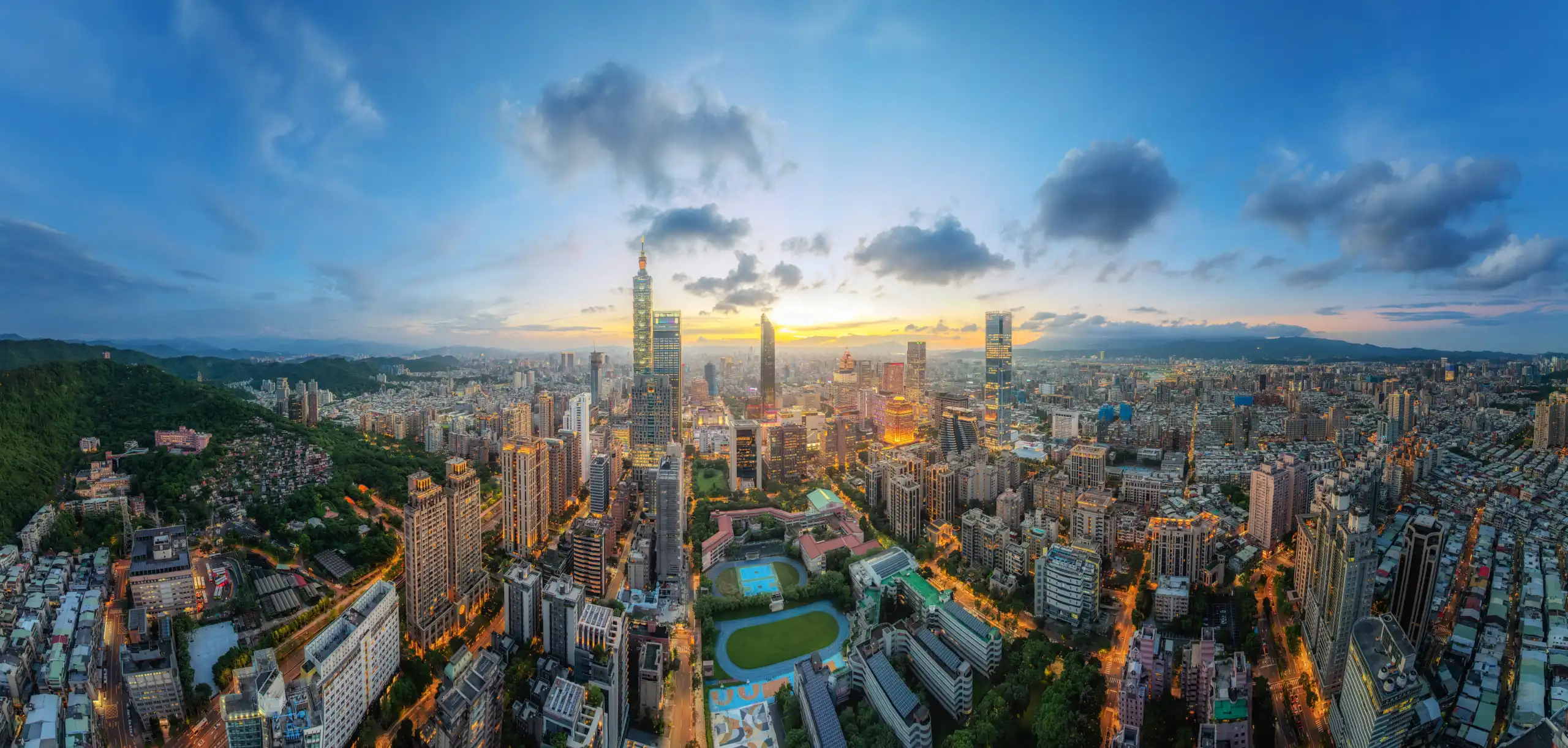
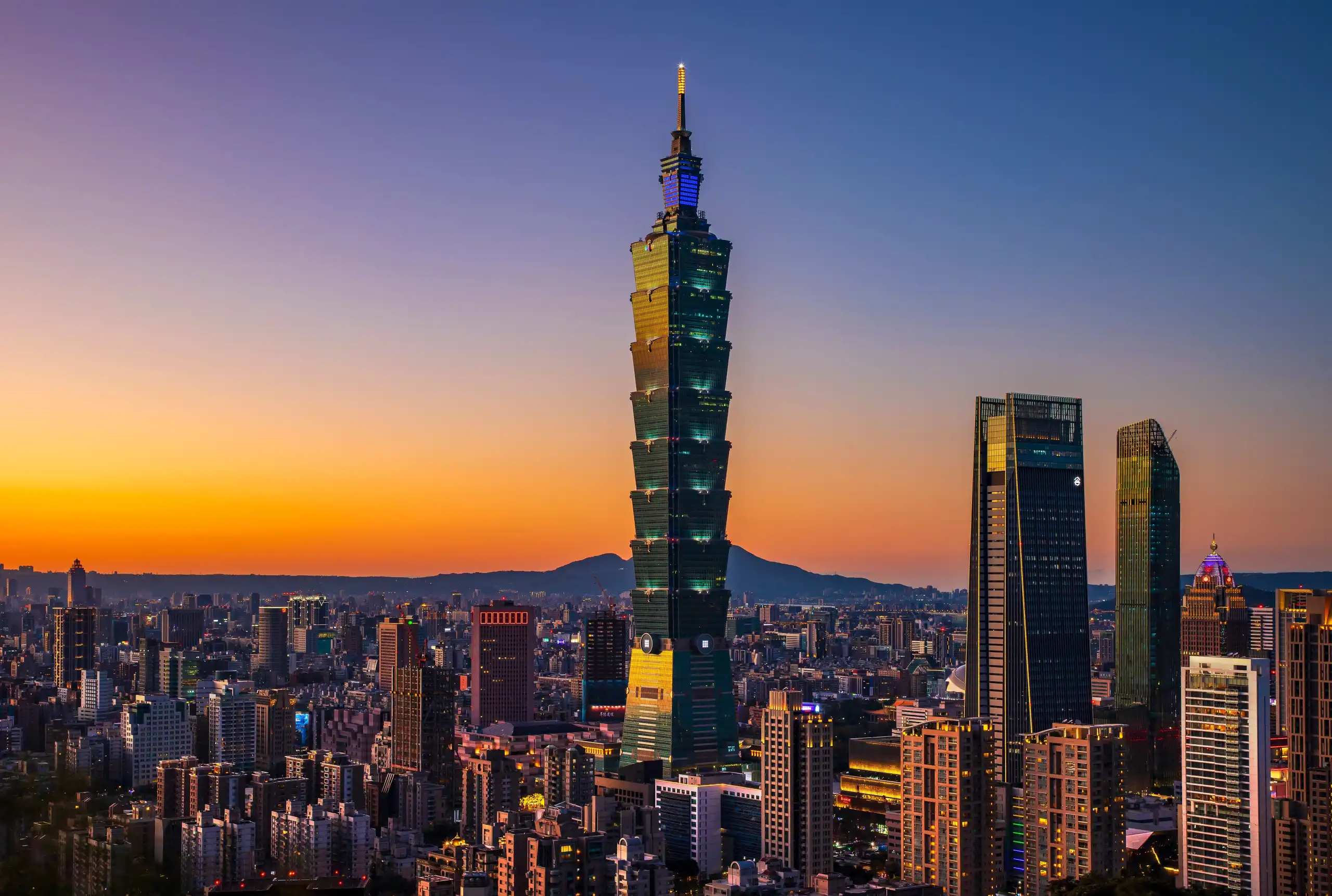
As the trail ascends, viewpoints begin opening across the city. Taipei 101 dominates the skyline, rising above apartment buildings, temples, and distant mountains. During sunrise, 101 reflects changing shades of gold, blue, and pink, giving the skyline a surprisingly cinematic appearance before the city reaches full speed. The mountain reflects Taipei’s cultural relationship with nature. Unlike cities where nature exists far outside urban centers, Taipei integrates mountains directly into everyday life. Residents can leave apartment buildings, ride the metro for a short distance, and suddenly find themselves climbing forested hills overlooking the metropolis. Elephant Mountain embodies this accessibility and reinforces the idea that nature remains central to Taipei’s identity.
For those visiting the city, they will notice Taipei’s unique architecture in a different light, both physically and intuitively. The buildings represent Taipei’s layered identity, with Japanese colonial buildings, modern glass towers, and aging apartment blocks coexisting naturally. In the morning light, the city feels open despite its density. Narrow alleyways reveal hidden courtyards, tiny cafés, and traditional storefronts that are often overlooked later in the day. A sleek glass office tower stands between a decades-old noodle shop and a small temple tucked between apartment blocks. Rather than erasing its older structures, Taipei absorbs them into the evolving cityscape.
Some of the most interesting experiences come from walking without a fixed destination. In quieter morning hours, the side streets in the city’s older districts reveal independent bookstores, hidden tea houses, family-run bakeries, and preserved Japanese-era homes that many visitors miss entirely. These subtle discoveries contribute to Taipei’s charm; the city rewards curiosity rather than spectacle.
Night
At night, Taipei undergoes a complete transformation. It’s bright. It’s loud. It’s crowded and it’s fun. Scooters weave through traffic, restaurants overflow onto sidewalks and illuminated signs blaze into the early morning hours.
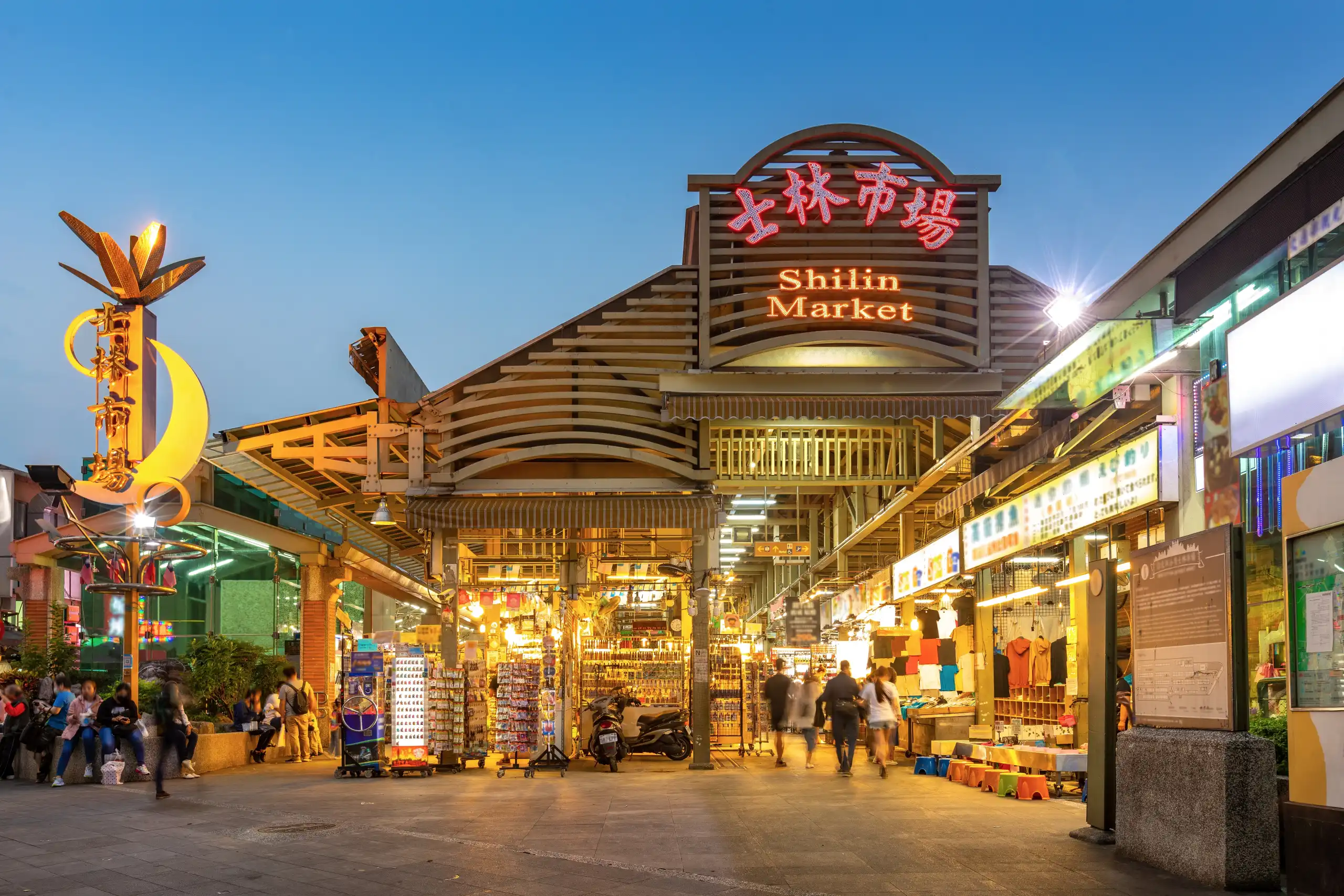
The heart of Taipei’s nightlife lies in its famous night markets. Places like Shilin Night Market and Raohe Street Night Market aren’t just food or shopping destinations. They are socializing opportunities. People gather not only to eat but to hang out and browse stalls and shops.
The night markets are filled with smoke, loud neon signs, and a plethora of aromas as crowds wander from stall to stall, picking dishes and sharing them right on the street. Crackling grilled squid is a favorite, as are oyster omelets with their thick, slimy sauce. Oversized fried chicken cutlets are eaten straight from paper bags, and cups of bubble tea appear in most everyone’s hands. Even stinky tofu, with its notoriously pungent smell, is part of a visitor’s experience. Although it may first challenge taste buds and nasal cavities, it’s a memorable symbol of Taipei’s street-food culture.
The food in Taipei changes character after dark. While morning meals emphasize comfort and routine – warm soy milk, flaky scallion pancakes, simple bowls of congee – at night they become more adventurous.
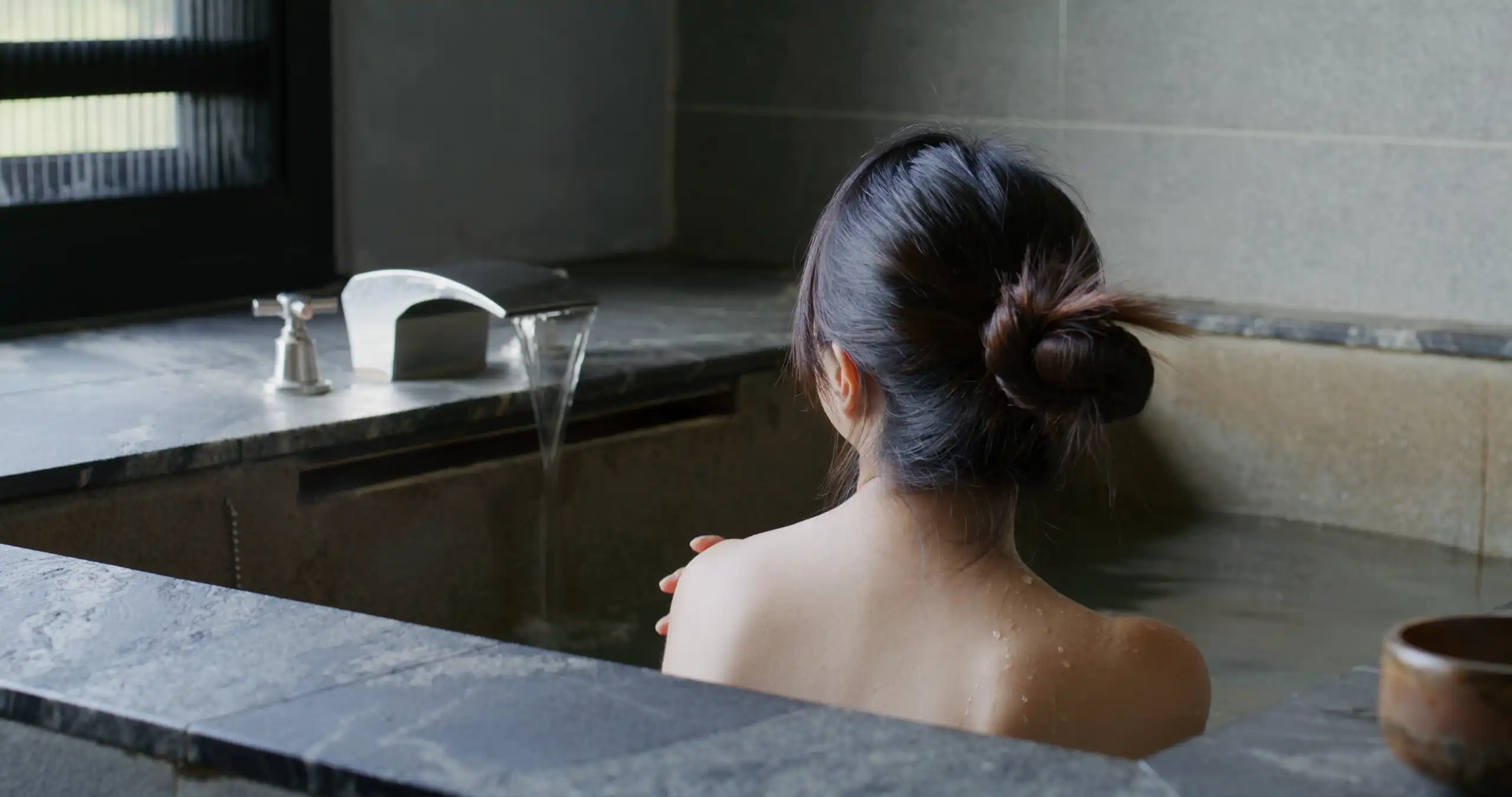
In the evening, many in Taipei escape to the Beitou Hot Spring Area, a district noticeably different from central Taipei. The streets are quieter and the feeling is more relaxed. After long workdays, residents of the city often soak in public baths or at private spring houses well into the evening. The warm water is used for both physical relief and as a social ritual. The experience contrasts sharply with the city’s crowded commercial districts. Conversations are quiet, phones disappear, and, for many locals, these late-night visits are all about restoring balance after the constant motion, humidity, and noise of urban life.
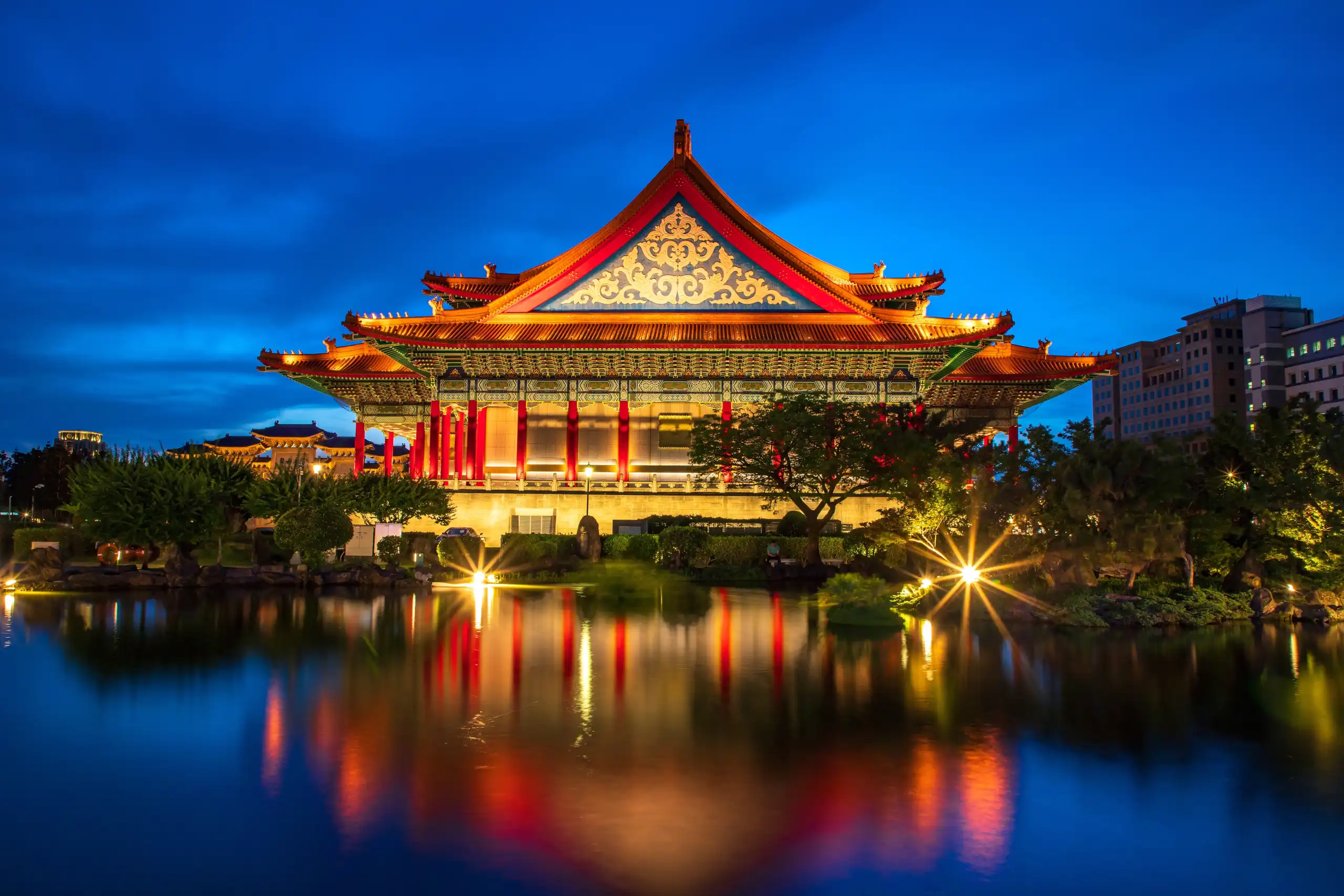
From this vantage point, Taipei’s skyline takes on a different character after sunset. During the day, the city can feel dense, humid, and fast-paced. But at night, the architecture becomes dramatic. Taipei 101 rises above the city, its stacked form glowing against the darker outline of the surrounding mountains. National Chiang Kai-shek Memorial Hall feels almost cinematic. The white walls and blue roof are brightly illuminated, yet with a very different feel from the neon-driven energy elsewhere in Taipei. Locals often gather here late into the evening. Some practice dance routines or martial arts, while others sit on its steps, talking with friends.
Across Taipei, rooftop bars, late-night cafés, and teahouses fill with people. Some bars lean modern and stylish, with music and skyline views centered around Taipei 101. Others feel quieter and more intimate. At late-night cafés, patrons remain well past midnight as students study, couples date, and friends meet up to decompress after work. Teahouses offer a very different kind of nighttime experience, rooted in older traditions. In hillside areas overlooking the city, groups of friends or family gather over pots of high-mountain oolong tea. They gracefully pour and refill cups slowly. The ritual itself encourages patience and calm, creating a striking contrast to Taipei’s fast-paced commercial districts.
Together, these rooftop bars, teahouses, and cafés reveal another side of the city at night. It is one of connection.
The contrast between Taipei’s morning and night reflects a deeper duality within Taiwanese culture itself. That culture is built on tradition alongside innovation. Morning Taipei emphasizes discipline, spirituality, and daily ritual. It’s a city focused inward. Nighttime Taipei is social and energetic. It turns outward. Like the yin and yang, one side cannot fully exist without the other. Together, they create a rhythm that feels uniquely Taiwanese.
1. Hospitality & Accommodation
Taipei’s luxury hotels offer more than a place to rest—they are sanctuaries of elegance and service. The Mandarin Oriental and W Taipei exemplify this, blending sleek modern design with local artistic touches, panoramic city views, and world-class spas. Boutique hotels tucked into historic neighborhoods provide an intimate alternative, offering personalized attention and curated interiors that reflect Taiwan’s heritage. For longer stays, private serviced apartments combine the comforts of home with concierge-level services, ensuring travelers can move through the city with ease and style, always returning to a haven of tranquility.
2. Gastronomy
Culinary luxury in Taipei is an artful balance between tradition and innovation. Michelin-starred establishments like RAW and MUME reimagine Taiwanese ingredients with sophisticated techniques, while tea houses serving rare high-mountain oolong offer a meditative indulgence, where every pour is ritualized. Even the city’s bustling night markets have seen a touch of refinement, with gourmet interpretations of classic dishes and thoughtfully curated flavors. Rooftop bars and fine-dining venues combine culinary mastery with sweeping views of Taipei 101, creating experiences that are both visually and gastronomically unforgettable.
3. Wellness & Spa
Taipei’s approach to wellness is deeply rooted in both nature and tradition. The hot springs of Beitou provide a luxurious escape from urban intensity, offering private baths and mineral-rich pools in serene, landscaped settings. High-end hotel spas complement this with holistic treatments that blend modern techniques and traditional Chinese therapies, from shiatsu massages to herbal remedies. Wellness in Taipei is less about indulgence alone and more about a carefully crafted sense of renewal—where every detail, from temperature to scent, is designed to soothe the body and mind.
4. Shopping
For those seeking luxury retail, Taipei is a curated experience rather than a crowded spree. Upscale shopping centers like Taipei 101 Mall, Shin Kong Mitsukoshi, and Breeze Center host international designers, fine jewelry, and rare collectibles, each space carefully designed for comfort and aesthetic appeal. Beyond international brands, bespoke tailoring and artisan crafts offer personalized and collectible treasures, allowing shoppers to own items with cultural significance. In Taipei, shopping becomes an artful blend of discovery, refinement, and exclusivity.
5. Architecture & Cultural Experiences
Luxury in Taipei extends beyond material indulgence to the city’s cultural layers. Japanese-era mansions, sleek modern towers, and serene temples coexist seamlessly, offering opportunities for private guided tours that reveal hidden stories. Cultural experiences—such as intimate tea ceremonies, curated gallery visits, and small-scale concerts in historic spaces—allow travelers to access the city’s heritage in an exclusive, immersive way. In Taipei, architecture and culture are not merely observed—they are inhabited, touched, and savored.
6. Experiential Luxury
The ultimate expression of luxury in Taipei is experiential: private sunrise hikes up Elephant Mountain, bespoke city tours that avoid the crowds, or rooftop evenings overlooking the skyline while sipping a masterfully crafted cocktail. Nature, city, and culture converge in curated moments designed for depth and connection. Whether indulging in a quiet tea ceremony, wandering through hidden alleyways, or savoring a bespoke culinary experience, luxury here is about presence, exclusivity, and a refined awareness of the city’s rhythm.