In the world of superyachts, where design is executed at the highest level, the reality behind each finished interior is often far more complex than it appears. Beneath beautifully finished surfaces and refined details sit a level of craftsmanship and technical precision that is rarely seen but always felt.
For more than 27 years, Bill Cleyndert & Company has been quietly shaping some of the world’s most exceptional interiors, from private residences and country estates to superyachts worldwide. Their role is not simply to make, but to translate vision into reality, bringing together master craftsmanship and precision engineering to create interiors that must perform as beautifully as they look.

What began in 1999 in a derelict chapel on a former United States Air Force base in North Norfolk, with a team of six skilled craftspeople, has grown into one of the industry’s most respected names in bespoke furniture and joinery. Built on a founding belief in quality, service and uncompromising attention to detail, the company established its reputation through dedication, collaboration and a relentless pursuit of excellence.
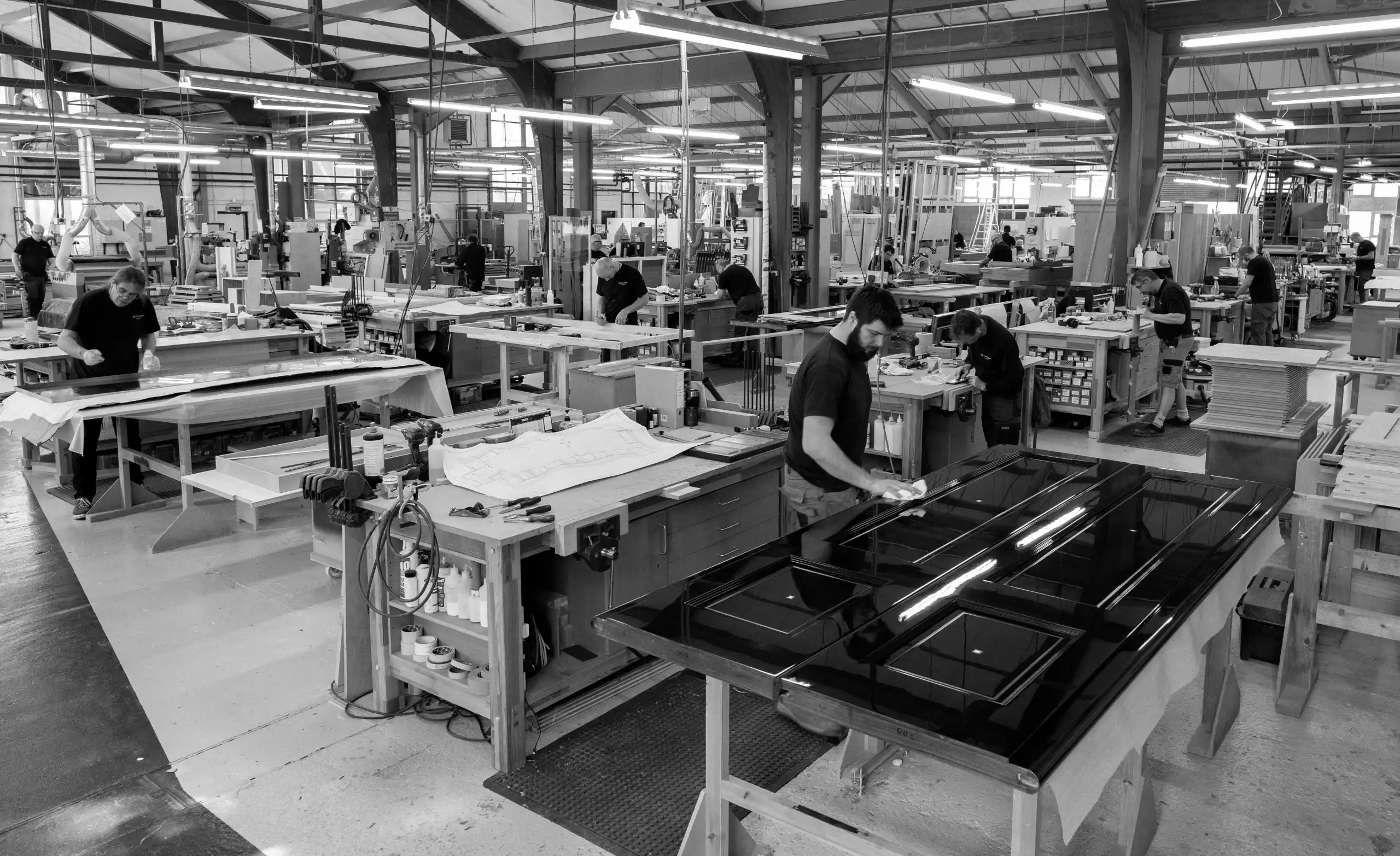
Today, a team of more than 100 makers, finishers, engineers, designers, and project specialists works across two workshops near the Norfolk coastline. The quiet surroundings and understated exterior give little away of the activity within. Step inside and the scent of machined timber fills the air as makers carefully lay intricate veneers and chisel precise joints in a way that speaks to generations of craftsmanship. Yet only moments away, multi-axis CNC machinery carves complex organic forms with extraordinary accuracy, while drawing offices hum with collaboration as advanced aeronautical engineering software begins the journey from concept to creation.
It is here, between craftsmanship and engineering, heritage and innovation, that the foundations of each project are carefully brought to life.
Where Craft Meets Complexity
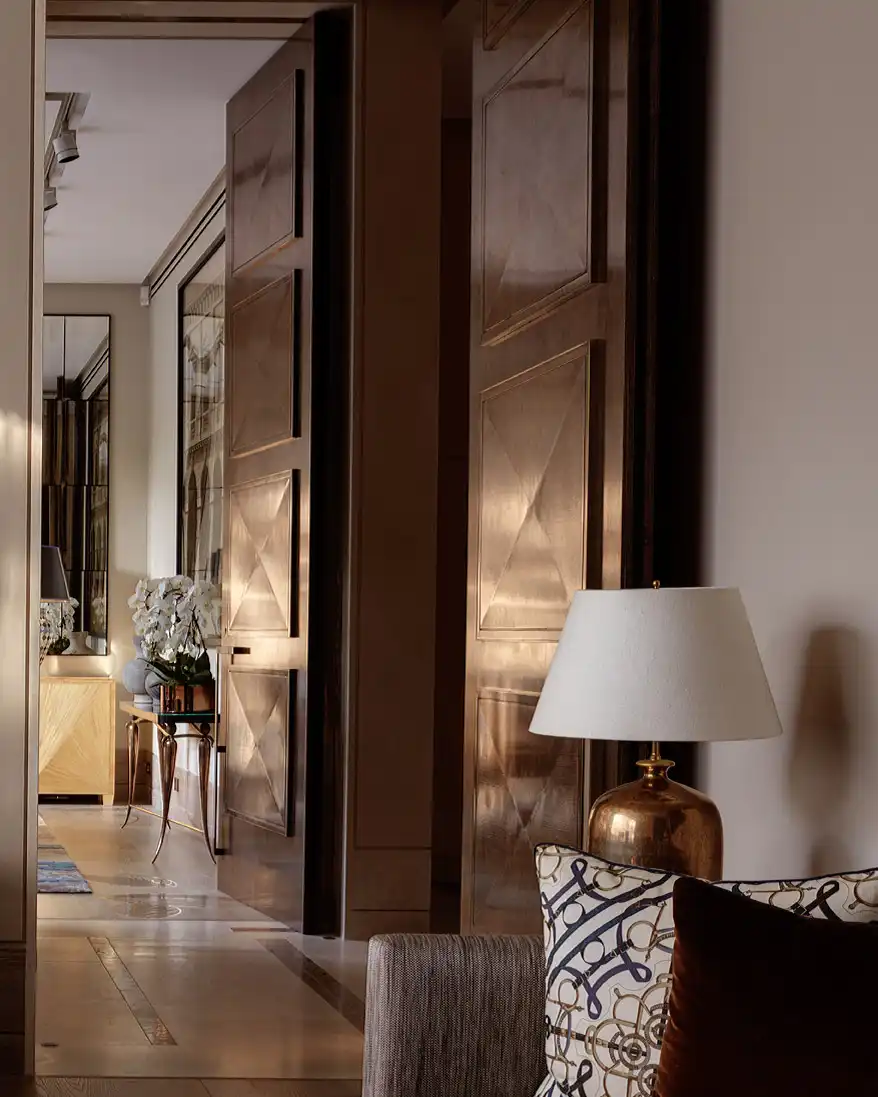
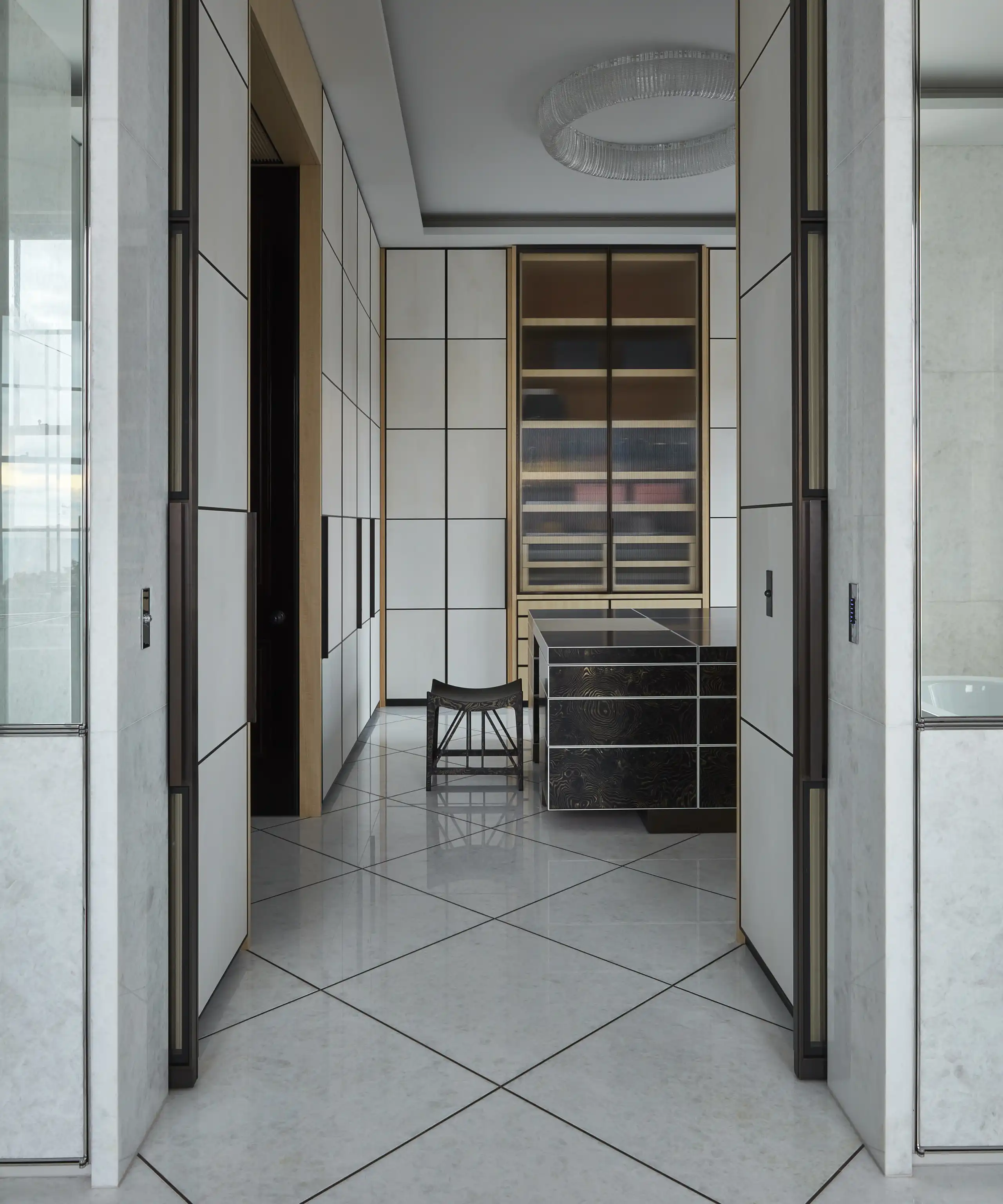
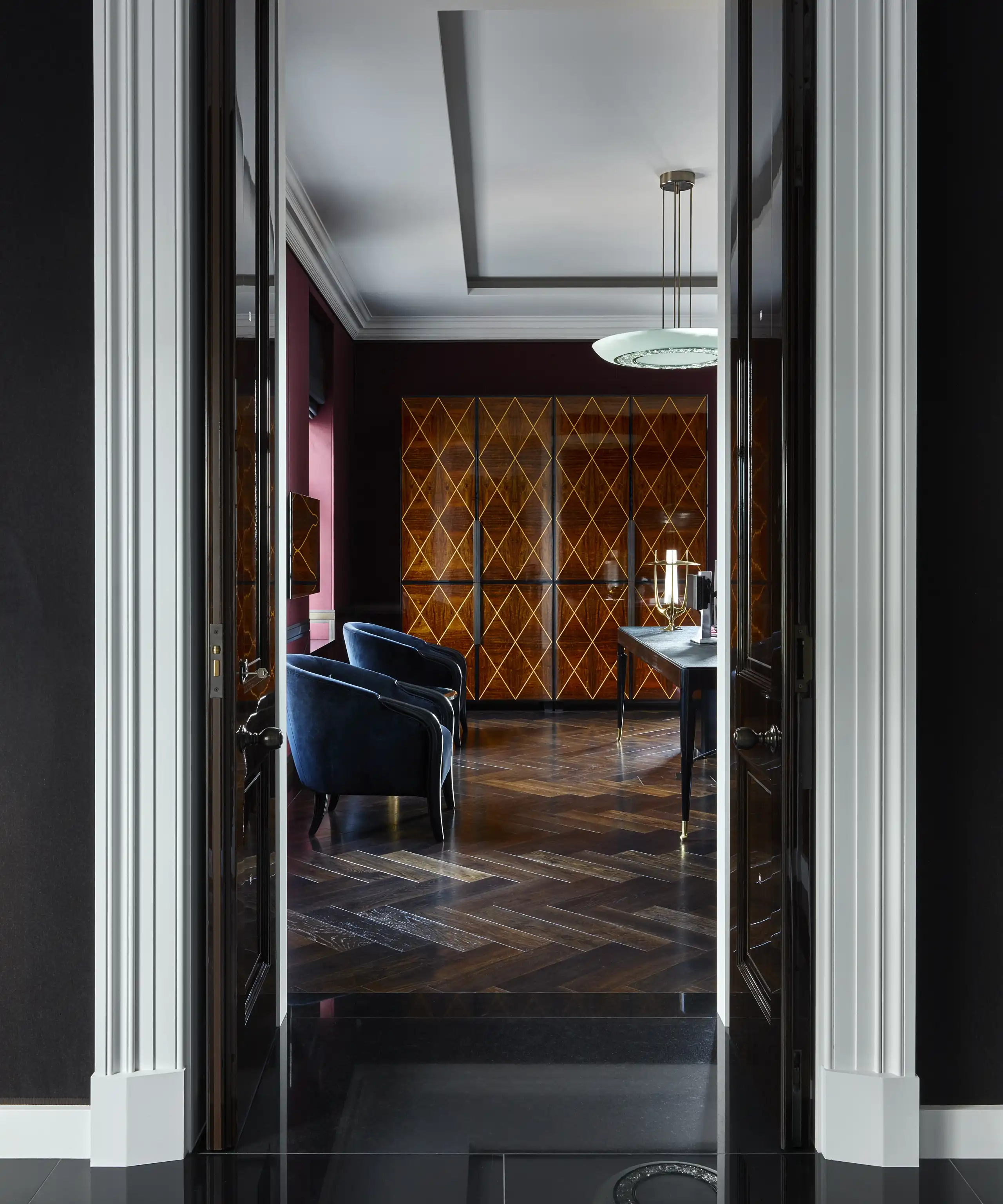
Superyacht interiors present a unique challenge. Unlike residential projects, every element must accommodate movement, changing climates, and the demands of a highly engineered environment shaped by complex systems and constraints. It is within this complexity that the company’s approach comes into its own.
Craftsmanship and engineering are not treated as separate disciplines but developed in parallel from the outset. Bill Cleyndert & Company’s project managers and in-house technical team work closely with designers, shipyards and project teams, contributing to the evolution of each concept through testing ideas, prototyping, refining details and resolving challenges long before production begins.
Rooted in a mindset that continually asks, “How can we?”, the team works to transform ambitious visions into considered, achievable outcomes, giving project teams confidence in every detail from the earliest stages onward.
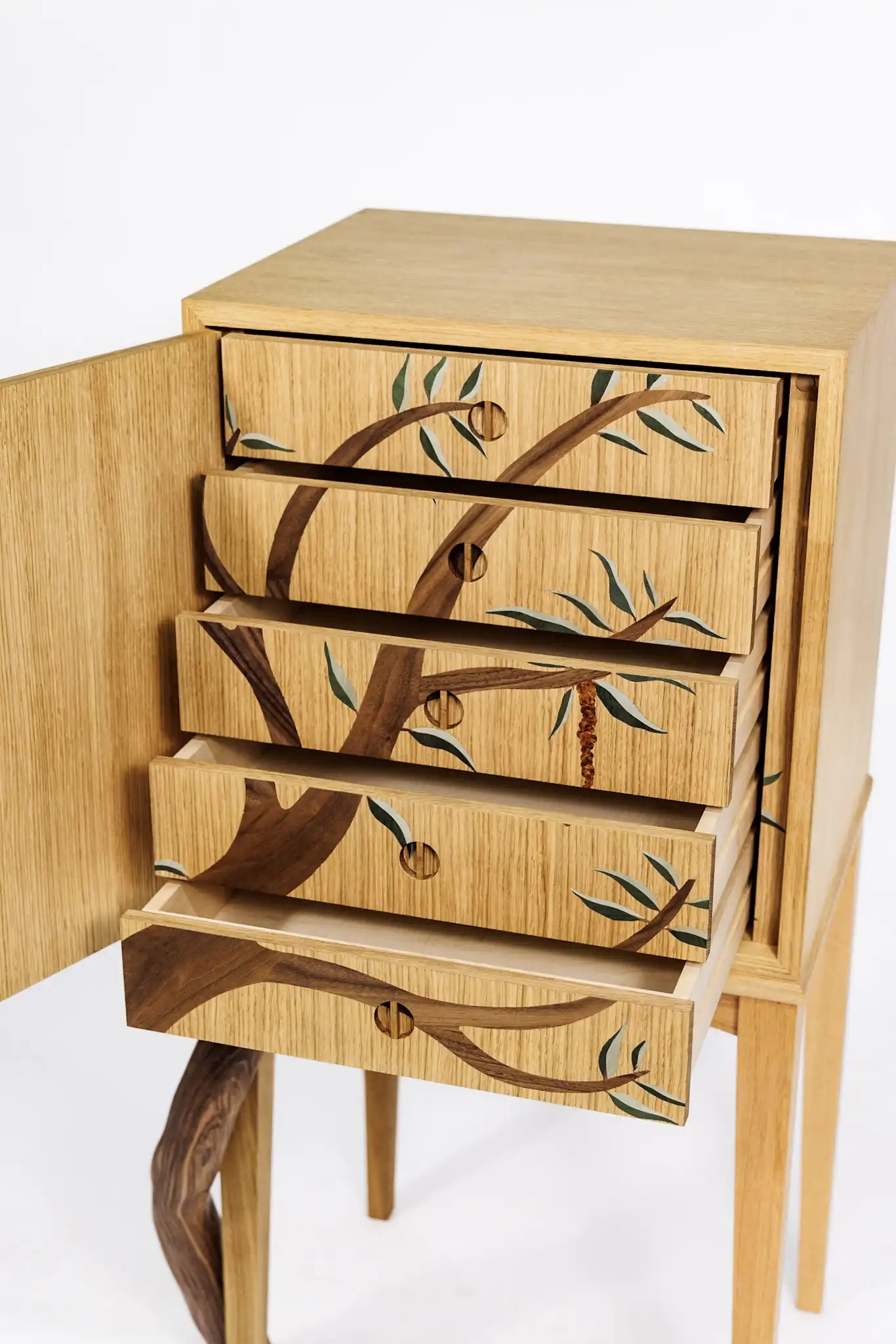
From curved panelling that flows seamlessly through multiple decks to intricate inlays and high gloss finishes that must perform flawlessly at sea, each element is shaped through rigorous development. Prototyping, digital modelling and material testing sit alongside hand skills honed over decades, ensuring that every detail not only looks exceptional, but performs exactly as intended.
Where Precision Matters
Much of what defines exceptional yacht craftsmanship is what cannot be seen. Tolerances are tighter, interfaces between materials must allow for subtle movement, and finishes must endure not just use, but environment. As Tim, Head of Design, explains, the challenge lies in balancing design intent with technical reality:
“We’ve found that the secret lies in not treating design and technical expertise as opposing forces. When we’re involved early enough, we can help shape the design through our technical knowledge, opening up solutions and possibilities that might not otherwise be considered. That’s when it gets really exciting.”
This technical layer is what allows designers to push boundaries with confidence, knowing that the integrity of their vision will be protected.
The Maker’s Perspective
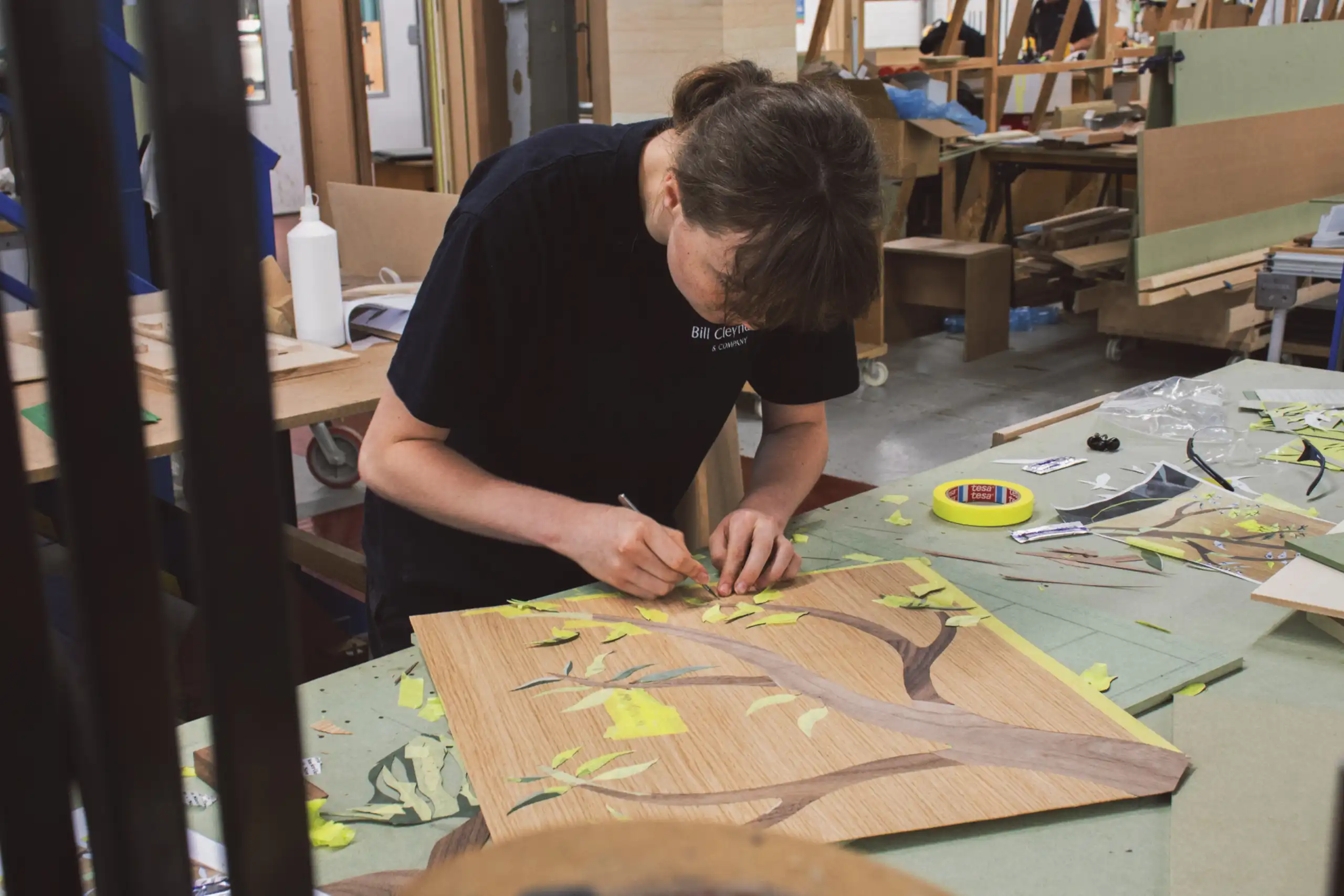
At the heart of every project are the makers themselves. As a one-time served furniture maker within the workshop explains, the process is as much about patience as it is precision:
“In my career as a cabinet maker, I’ve always enjoyed a challenge and working on unique design concepts. Some of the most rewarding projects are those that push you to think differently, particularly when working with complex curved forms and materials that need to flow naturally together. It often takes a great deal of problem-solving, collaboration and precision to achieve something that appears effortless in the finished piece, but that’s what makes the process so satisfying. Seeing those ideas come to life exactly as intended is always incredibly rewarding.”
This connection between maker and material is what gives each piece its depth. While advanced machinery and software play a vital role, it is the human touch that defines the final result, from the subtle adjustments made by hand to the carefully applied finishes that bring depth and character to every surface.
Crafting the Future
While their work is defined by precision and excellence, their purpose extends beyond the projects themselves. As a family-run business, there is a deep understanding that these skills are something to be preserved, evolved and passed on. Investment in people sits at the core of this philosophy, with an apprenticeship programme designed to nurture the next generation of makers.
Within their workshops, experienced craftspeople work alongside emerging talent, passing on knowledge that cannot be learned from books alone. It is a living exchange of ideas and experience, where tradition meets new thinking.
Continue a little further through the workshop and that future begins to reveal itself. Beyond the finishing department, past the motion of machinery and the glow of a 3D printer building its latest prototype, young apprentices stand alongside experienced makers learning skills that blend traditional handwork with modern technology. It is here that the next generation begins shaping its own understanding of what making can become.
On speaking with apprentices at different stages of their journey, a shared sense of curiosity, pride, and progression quickly becomes apparent. For Sophie, no two days feel the same, with every college assignment and live project presenting an opportunity to learn something new. Connor speaks about an early interest in woodworking sparked by time spent helping his grandad, while Ruben reflects on how working alongside experienced makers has strengthened both his confidence and intuition when approaching complex decisions on live projects.
For Ollie, the connection runs even deeper through family ties to the business and a long-held ambition to pursue cabinet making from a young age, drawn to the satisfaction of seeing intricate details come together with absolute precision. Ross describes the quiet reward of leaving each day having learnt something new, alongside ambitions to continue developing his skills within the company, while Amber shares her admiration for marquetry and the way it can elevate a piece entirely, inspiring her own creative approach within her college work.
This commitment ensures that these skills continue to evolve while retaining the depth, integrity, and attention to detail that have defined the company from the very beginning. And as you leave the workshop behind, carrying with you the scent of timber and the memory of ideas taking shape, it becomes easy to imagine the interiors still to come, perhaps even your own place at sea, shaped by the hands of those already crafting the future.