Fall does not arrive everywhere in the same way. In some places, it announces itself through forests turning gold and red. In others the first rains, the harvest of rice, or the appearance of a particular fruit in the market. Yet across cultures, autumn carries a familiar feeling, and people pause to gather what the season has offered. Maybe this is why autumn has become more than a season. It’s a time for abundance, reflection, family, transformation, and preparation for what comes next.
The Season of Gathering
In agricultural societies, the changing season historically determined the rhythm of everyday life. Autumn meant harvesting crops before the cold or dry season arrived. It meant preserving fruits and vegetables, storing grains, curing meat, and preparing homes for the months ahead. This created a sense of community as harvesting was not an individual activity. Families, neighbors, and entire villages often depended on one another to bring in crops quickly. They would create a celebration in their work. They sang while picking. Communal meals followed long days in the fields and festivals allowed communities to recognize the year’s work.
That connection between labor and celebration remains visible today. Harvest festivals around the world often combine food with music, dancing, religious ceremonies, markets, parades, and traditional clothing. They are celebrations of nature, but they are also celebrations of cooperation.
In other words, autumn, in many cultures throughout the world, brings people together.
Asia
The Moon, Reunion, and the Harvest
In China, the Mid-Autumn Festival offers a clear example of the fall becoming a cultural symbol. Families traditionally gather to share food and spend time together. Mooncakes are central to the celebration, but the festival extends far beyond what is eaten. Lanterns, moon-viewing, poetry, storytelling, and family gatherings all contribute to the atmosphere. The moon itself becomes part of the cultural experience.
There is something particularly moving about this traditionwhen people, separated by distance, can look at the same moon. The festival then becomes a bridge between family members, generations, and places.
Beauty in Impermanence
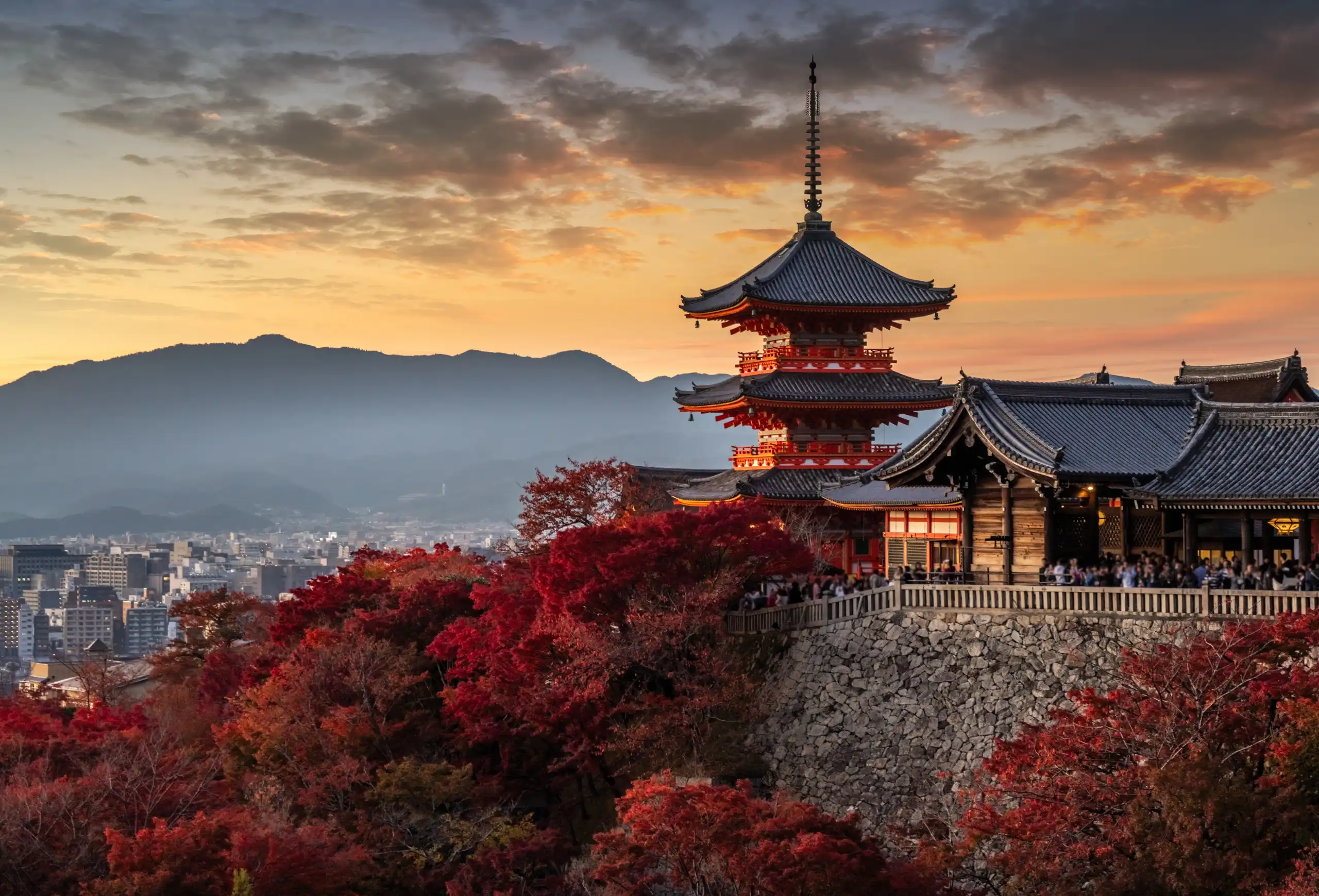
Japanese culture has always had a strong relationship with seasonal change. Here, the fall season is not just about the harvest. The season is admired for its beauty.
The brilliant reds and oranges of maple trees inspire kōyō, the tradition of viewing autumn foliage. People travel to mountains, gardens, temples, and parks to observe the transformation of the landscape. This appreciation connects to a broader Japanese aesthetic where there is an awareness of beauty but sadness of impermanence. Falling leaves fit that narrative beautifully.
In Japan, autumn food reflects the same attention to seasonality. Sweet potatoes, chestnuts, persimmons, pumpkins, and other seasonal ingredients appear in markets and dishes. Even the presentation of food emphasizes the colors and textures of the season.
Ancestors, Family, and Gratitude
In South Korea, Chuseok connects autumn to harvest, family, and remembrance. Families traditionally come together, prepare food, visit ancestral graves, and honor those who came before them. One of the best-known foods associated with Chuseok is songpyeon, a rice cake often shaped into small half-moons. Preparing food becomes part of a larger ritual of family connection.
The celebration illustrates an important cultural dimension of autumn. The harvest is not only about what the earth providesbut also about remembering the people whose work and sacrifices made the present possible.
Autumn as Festival Season
In India, autumn varies considerably depending on region and climate. But in many places the season is filled with major religious and cultural celebrations.
In Bengal, Durga Puja brings enormous temporary temples called pandals to communities as neighbors celebrate with elaborate decorations, music, art, performances, and communal meals. It is simultaneously a religious observance, public art exhibition, family gathering, and community celebration.Diwali, or the Festival of Lights, is celebrated across much of India and associated with light and new beginnings. While its exact traditions vary by region and community, the imagery of lamps and illumination takes on meaning as darkness becomes part of the season.
Food plays a central role here. Families prepare sweets such as laddoos, jalebi, barfi, and many other regional specialties. Sharing food becomes a way of extending celebration beyond the household.
Europe
The Table, the Harvest, and the Countryside
In Italy, the fall is the time of vendemmia, the grape harvest. Vineyards become gathering places for families and communities that come together to work, eat, and celebrate.
Aside from grapes, picked chestnuts also have a special place in the Italian autumn landscape. Throughout mountainous and rural regions, chestnut festivals and markets celebrate the nut in everything from roasted street food to breads, cakes, soups, and pasta. During the fall season, Italian cooking embraces simplicity. Roasted squash, risotto with mushrooms or pumpkin, hearty soups, polenta, fresh pasta, and slow-cooked dishes are the stars of the show.
Fika, Forests, and the Return of Darkness
In Sweden, autumn is closely tied to the dramatic shift in daylight. Summer’s long, bright days ebb to earlier sunsets and longer nights where the changing light shapes the season.
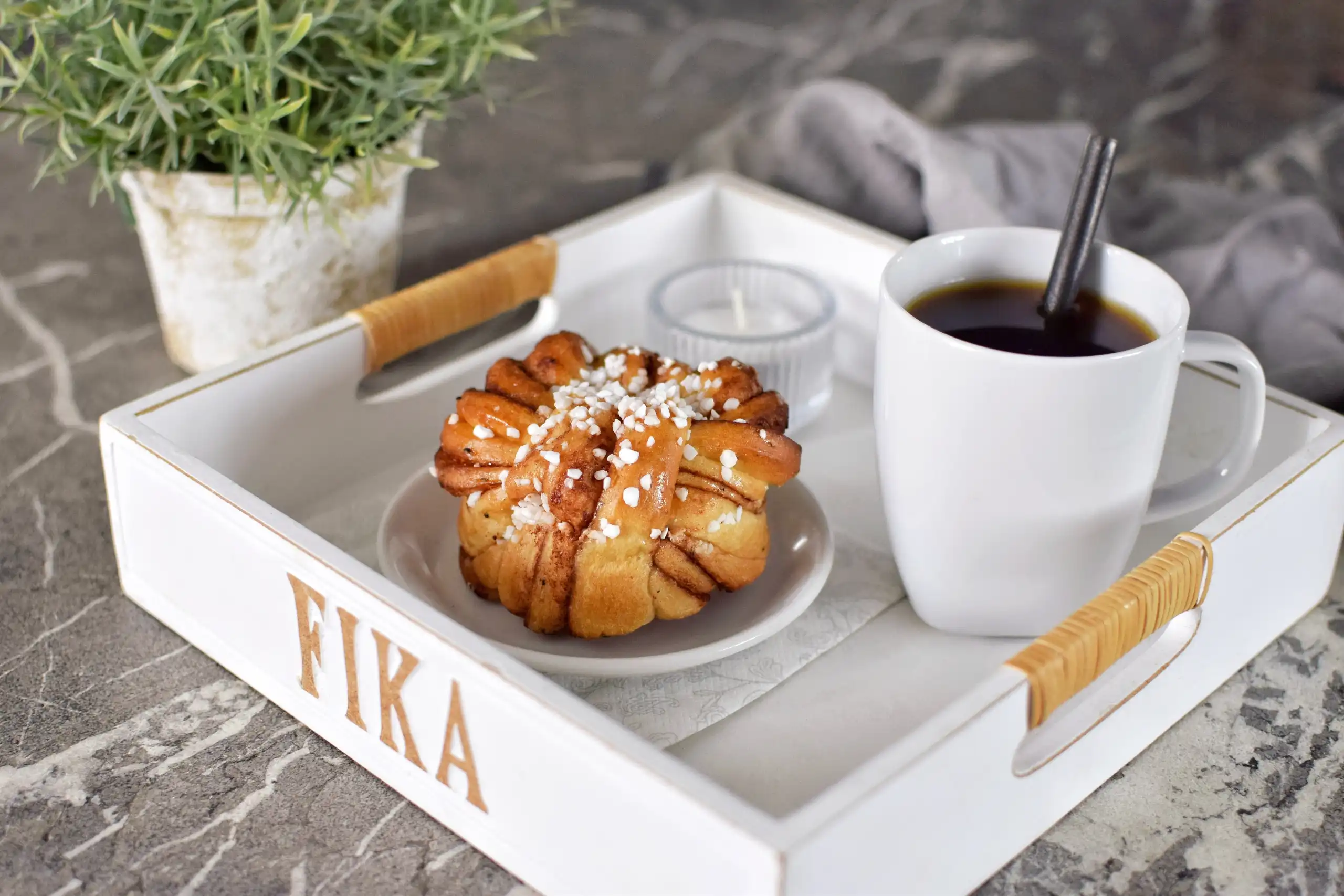
The Swedish concept of fika is inviting during the colder months. More than simply having coffee, fika is a social ritual. It’s a moment to pause, talk, and enjoy something sweet. Neighbors and friends share cinnamon buns, cakes, cookies, and coffee, which turns an ordinary autumn afternoon into an opportunity to slow down and enjoy the moment.
The fall season also draws Swedes into the forests. The countryside becomes a source of berries and mushrooms, including lingonberries, blueberries, and chanterelles. Foraging connects people with the landscape, while the foods that have been gathered outdoors find their way into jams, sauces, desserts, soups, and everyday meals.
The Threshold of Winter
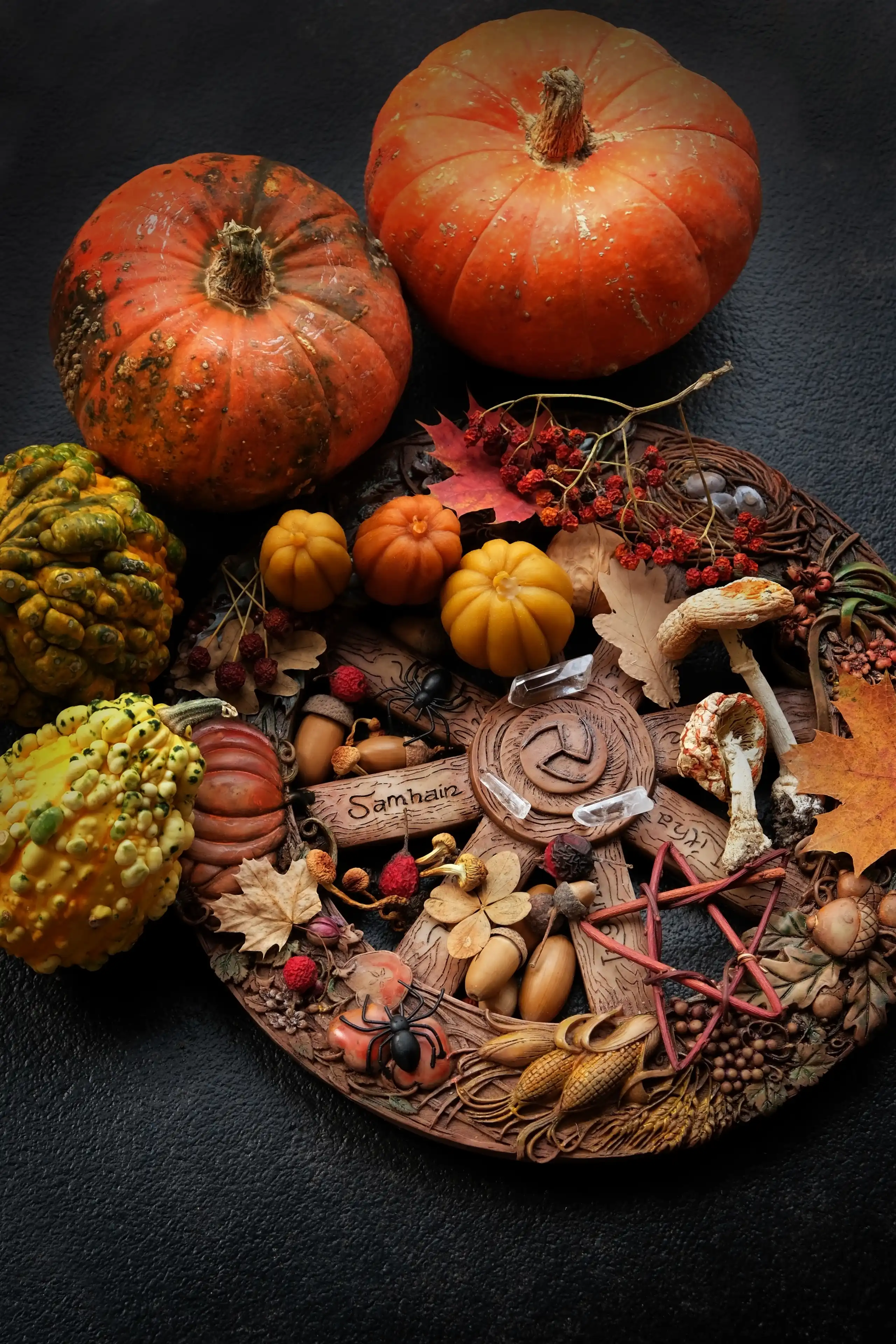
Samhain, historically observed among Gaelic peoples, marked the end of the harvest season and the beginning of winter. It was understood as a liminal period – a time when the boundary between ordinary life and the supernatural world was believed to become thinner. Over time, the traditions associated with Samhain became intertwined with Christian observances and eventually contributed to the cultural development of Halloween.
In Ireland, communal gatherings reflect old traditions. Gatheredapples, blackberries, root vegetables, and warming puddings become part of the autumn landscape. Throughout the land, fun festivals, village fairs, and nightly bonfires celebrate the season.
North America
The Season of Abundance
The history of harvest food in the United States reaches far beyond the modern Thanksgiving table. Indigenous peoples cultivated and gathered an enormous range of foods including corn, beans, squash, wild rice, berries, nuts, fish, and game. Many foods now treated as autumnal have Indigenous histories stretching back thousands of years.
In the fall, those staples are found not just on Thanksgiving tables but on tables throughout the season. Harvest festivals highlight them along with apples and pumpkins. Across New England, apple orchards and farmers’ markets offer cider, freshly baked pies, and doughnuts. In the South, autumn cooking draws on traditions of cornbread, sweet potatoes, pecans, and slow-cooked dishes.
The fall season in the United States is also about county fairs filled with rides, homemade pies, and blue-ribbon baking. Then there are the football weekends and evenings spent around fire pits with warm cider or hot chocolate in hand. It’s a time for fun, but also a time to be thankful and savor the warmth of family and friends before winter arrives.
Maple, Harvest, and the Warmth of Home
The fall in Canada arrives with forests of red, gold, and orange, signaling a season of harvest festivals, country fairs, and the Thanksgiving gatherings that are held in October. In Quebec, traditional foods such as tourtière, a savory meat pie, reflect the region’s culinary heritage, while across the country, maple syrup, butter tarts, pumpkins, and apples bring the flavors of the fall to kitchens and bakeries. From apple-picking excursions and farmers’ markets to cozy meals shared as temperatures drop, Canadian autumn is a celebration of seasonal abundance, regional traditions, and the enduring comfort of home.
From the maple forests and country roads of Ontario to the coastal communities of the Maritimes, autumn is a time for embracing the outdoors, reconnecting with family, and enjoying the warmth of home as the days grow shorter.
Latin America
The Return of Loved Ones
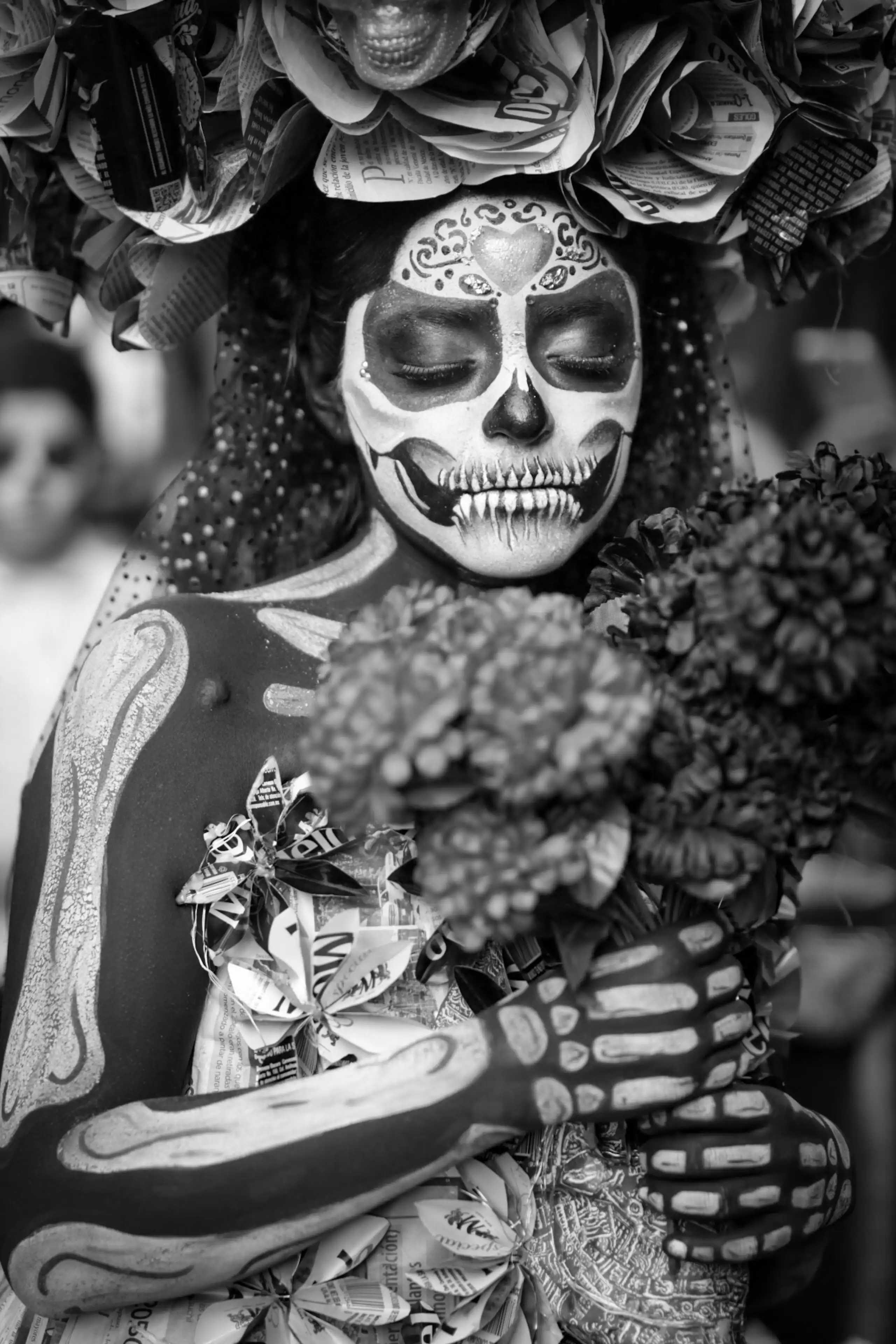
In Mexico, autumn arrives in a blaze of marigold orange, candlelight, and the scent of pan de muerto. The Day of the Dead – Día de los Muertos – takes place from October 31stthrough November 2nd, when families honor loved ones who have passed. Altars are adorned with photographs, flowers, candles, and favorite foods, creating a place where the departed are lovingly invited back to the family table.
The kitchen becomes an extension of memory. Round loaves of pan de muerto, delicately scented with orange blossom, are served alongside steaming chocolate and coffee. In Puebla, chiles en nogada – poblano peppers filled with savory picadillo, covered in a walnut sauce, and scattered with pomegranate seeds – bring the colors of the Mexican flag to the plate.
Where the Vineyards Turn to Gold
In the Southern Hemisphere, autumn arrives in March. Nowhere is its character more pronounced than in Mendoza, Argentina, where vineyards stretch toward the Andes and the harvest becomes a cultural spectacle. The Fiesta Nacional de la Vendimia is one of the country’s great celebrations. It honors the grape harvest with music, dance, parades, regional costumes, and the crowning of a Harvest Queen. It’s a celebration not only of the land but also of those who work it.
In Argentina, the pleasures of the season are equally generous. A long lunch might begin with empanadas, continue with an asado cooked over coals, and conclude with a glass of Malbec. In the north, the Humahuaca Carnival offers a very different expression of Argentine culture. It’s full of Andean music, elaborate costumes, and communal revelry.
The Harvest of the Brazilian Autumn
In Brazil, the arrival of cooler months brings the harvest of jabuticaba, a distinctive dark-purple fruit that grows directly from the trunk of its tree. Its sweet, wine-like flavor makes it a favorite for eating fresh and transforming into jams, jellies, liqueurs, and homemade wines.
Festa Junina takes place in June, but it’s the natural continuation of autumn’s harvest season. Rooted in Catholic celebrations honoring Saint Anthony, Saint John and Saint Peter, towns and cities across the country celebrate with decorated, colorful paper flags. People gather around bonfires, dance the quadrilha, wear straw hats and country-inspired clothing, and enjoy food that celebrates corn, peanuts, coconut, and seasonal roots.
An Island’s Endless Summer
On the Caribbean island of Aruba, autumn is not marked by falling leaves or chilly evenings. It’s a continuation of tropical life – of bright skies and warm waters. Here, seasonal celebrations are less about the changing weather and more about the island’s love of music, food, and gathering.
Aruba’s Carnival is its expression of communal joy. Colorful costumes, elaborate floats, steelpan, and brass bands turn the streets into a moving celebration. Though Carnival traditionally culminates before Lent, its spirit of music and festivity is woven into the island’s cultural life throughout the year.
Food is equally celebratory. Keshi yena combines chicken or other savory fillings with melted cheese, creating a dish that reflects the island’s layered culinary history. Fresh seafood, funchi, plantains, and coconut-infused dishes bring the flavors of the sea and the tropics to the autumnal table.
Australasia
The Orchard, the Vineyard & the Long Lunch
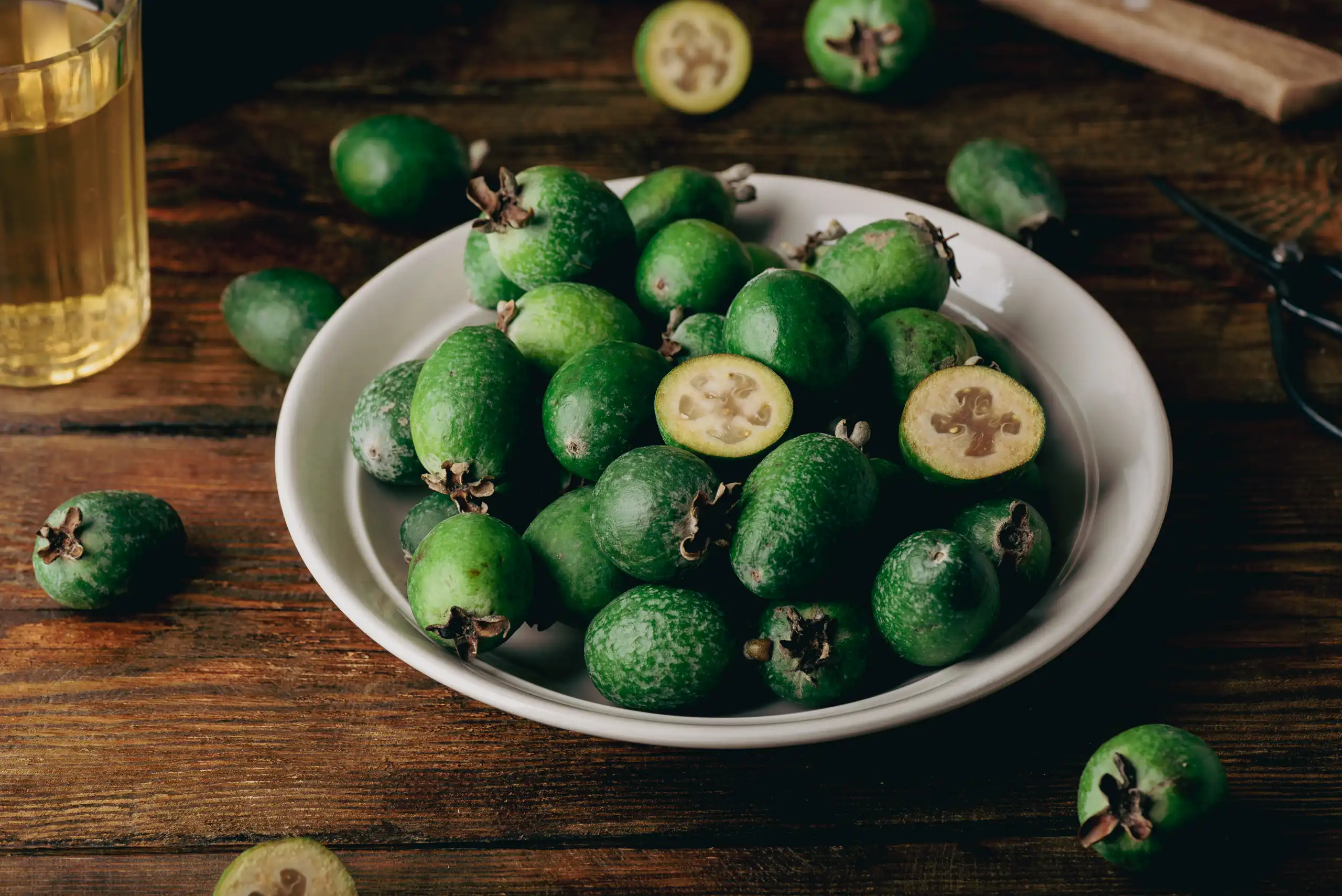
Autumn in New Zealand is a season of extraordinary beauty. Across the South Island, vineyards turn gold and red, while orchards and farms yield apples, feijoas, pumpkins, kūmara, and root vegetables. The season is a celebration of the land’s generosity, with farmers’ markets, wine harvests, and food festivals providing a distinctly New Zealand expression of the season.
In the vineyards of Central Otago and Marlborough, grape harvests bring together winemakers, chefs, and visitors for tastings and convivial gatherings. Feijoa, the country’s distinctive fall fruit, shows up in baking, preserves, and desserts. Kūmara, a traditional Māori sweet potato, adds a rich, earthy note to autumn meals. Māori traditions place deep importance on the land, food, and community, and the harvest season offers an opportunity to celebrate the connection between people and the natural world.
The Art of the Outdoor Feast
In Australia, the barbecue – or “barbie” – is a cultural institution that remains central to social life. Sausages, lamb chops, steak, and seafood are grilled outdoors. They are often accompanied by salads, fresh bread, and a glass of local wine. In autumn, the ritual becomes particularly inviting as guests can linger around the table just that bit more, enjoying the cooler temperatures.
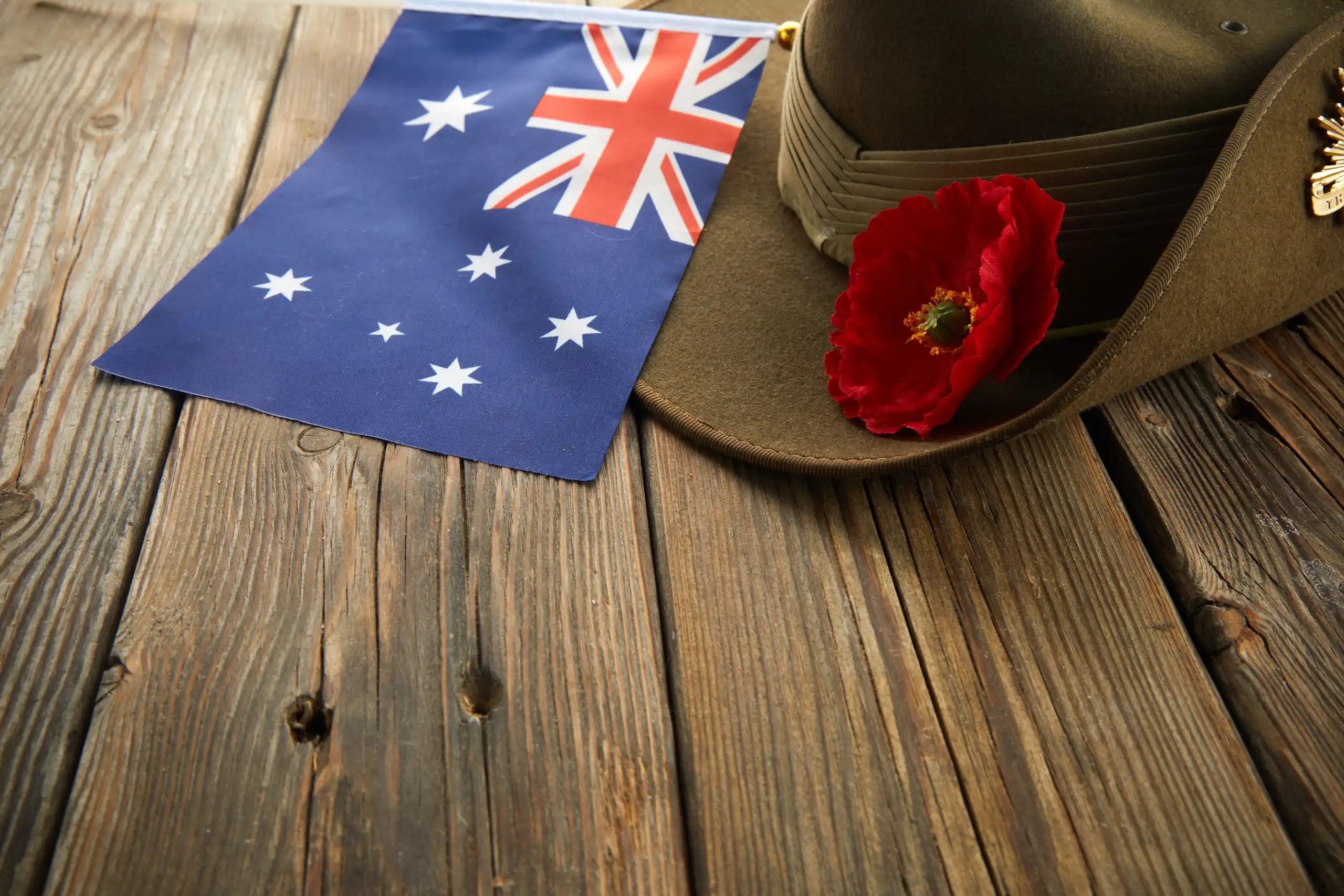
Autumn also sees the celebration of ANZAC Day on April 25. This, a solemn day of remembrance, is marked by dawn services, marches, and reflection on the sacrifices of Australian and New Zealand service members.
Fire, Earth & the Island Table
Fiji’s tropical climate does not produce dramatic autumn foliage,yet its season is rich in food, family, and communal celebrations. The country’s culinary traditions reflect Indigenous Fijian heritage alongside Indian, Chinese, and other cultural influences, creating a table that is both deeply local and wonderfully diverse.
The lovo is a feast cooked in an underground earth oven. Meat, fish, and root vegetables are wrapped in leaves, then placed over heated stones. They are covered and cook slowly. The result is food infused with smoke, earth, and time. It is a meal made for sharing. It’s also a reminder that a fall celebration doesn’t need to be tied to falling leaves. Sometimes it’s found in the warmth of the earth, the generosity of a feast, and the people gathered around it.
Africa
A Braai Beneath the Changing Sky
In South Africa, when the fall arrives, wine plays a central role in seasonal celebrations. From vineyard tastings to lunches accompanied by Chenin Blanc, Pinotage, or other regional varieties. A braai—the South African version of the barbecue—is an essential part of the country’s social life. Meat, boerewors, chicken, and vegetables are cooked over an open fire, while salads, bread, and traditional sides create a meal that is relaxed but deeply communal.
The Table Beneath the Highlands
Kenya’s equatorial location means that autumn is not defined differently. The country’s cultural and agricultural calendars shape its celebrations. Cultural celebrations vary across Kenya’s many communities, but music, dance, family gatherings and shared meals are enduring features of communal life. In the agricultural regions, harvests and the changing rains are closely connected to the rhythms of work and celebration.
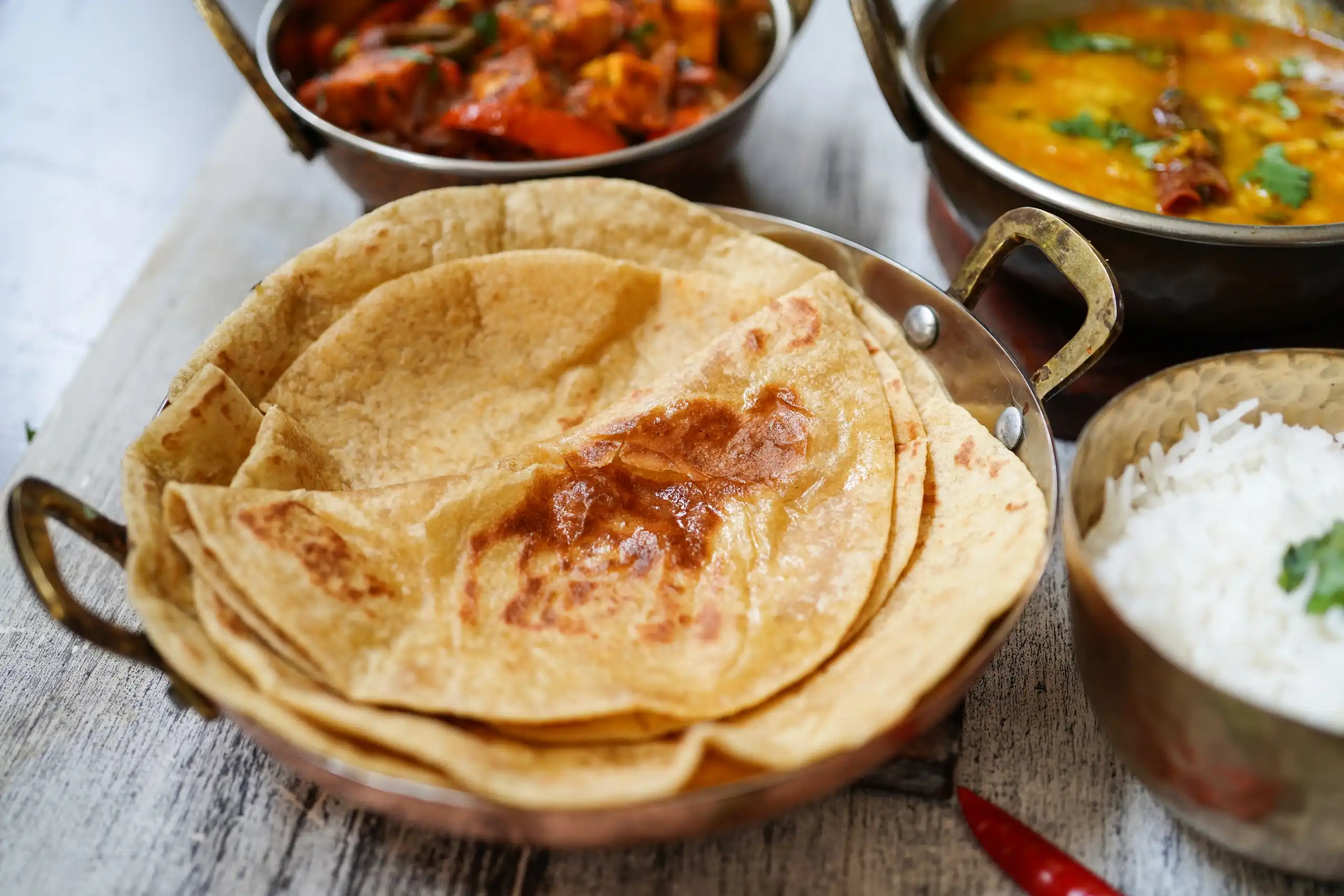
Food is at the heart of Kenyan hospitality. Nyama choma, grilledmeat, is a favorite for gatherings, while chapati and fragrant rice reflect the country’s diverse cultural influences. Seasonal fruits, including mangoes, bananas, and passion fruit, bring brightness to the table.
Ancient Harvests, Modern Tables
Egypt is shaped by the Nile, the desert, and its long agricultural history. Autumn has traditionally been associated with harvests and the transition toward cooler weather. While Egypt does not have one universally observed autumn harvest festival, its agricultural traditions and food culture offer a window into the relationship between season and celebration.
As the heat of summer softens, the Nile Valley’s agricultural bounty becomes apparent. Grains, legumes, vegetables, and spices are celebrated through dishes like Ful medames, slow-cooked fava beans seasoned with olive oil, lemon, and cumin. Dates, figs, grapes, and pomegranates bring the sweetness of the harvest to desserts and festive dishes.
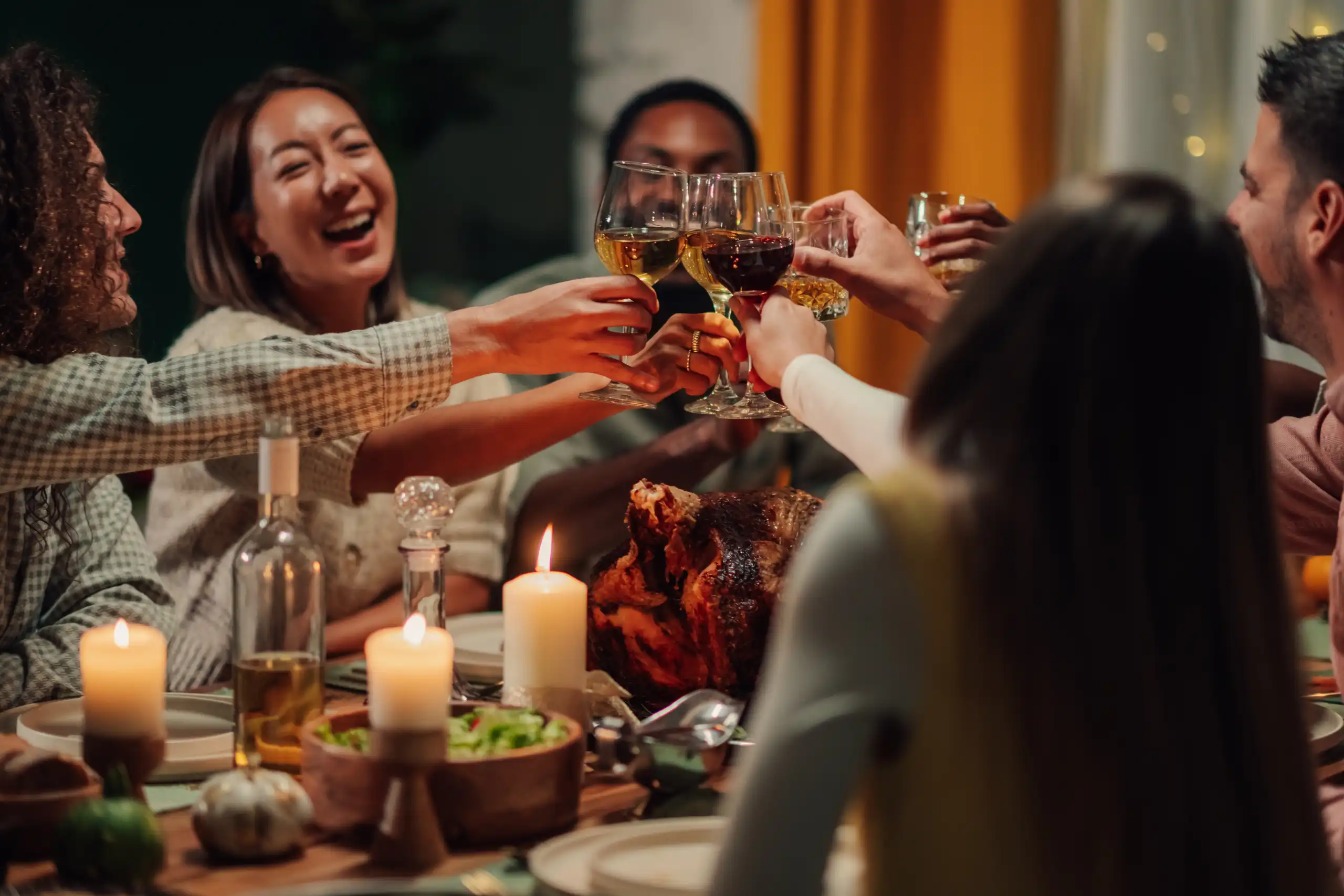
Perhaps the easiest way to understand autumn across cultures is to imagine a table stretching around the world. On one part of the table, there sit Japanese chestnuts and sweet potatoes, Chinese mooncakes, and Korean songpyeon. In a different area are set Italian grapes, Swedish lingonberries, and Irish root vegetables. The American pumpkin pie and the Canadian maple syrup satisfy a sweet tooth, while the Mexican pan de Muerto, the Brazilian flavors of jaboticaba, and the savory smells of Aruban Keshi yena beckon. The meats barbequed by the Australians and South Africans or cooked into Nyama choma by the Kenyans are set alongside Egyptian Ful medames. All beautifully complementing the wines of New Zealand.
In autumn, colors may differ, the calendar may turn in opposite directions, and the ingredients are diverse. But the impulse is the same. Celebrate the earth’s bounty. Honor those who came before. Gather with family and friends. And make a meal that becomes, in time, a memory.