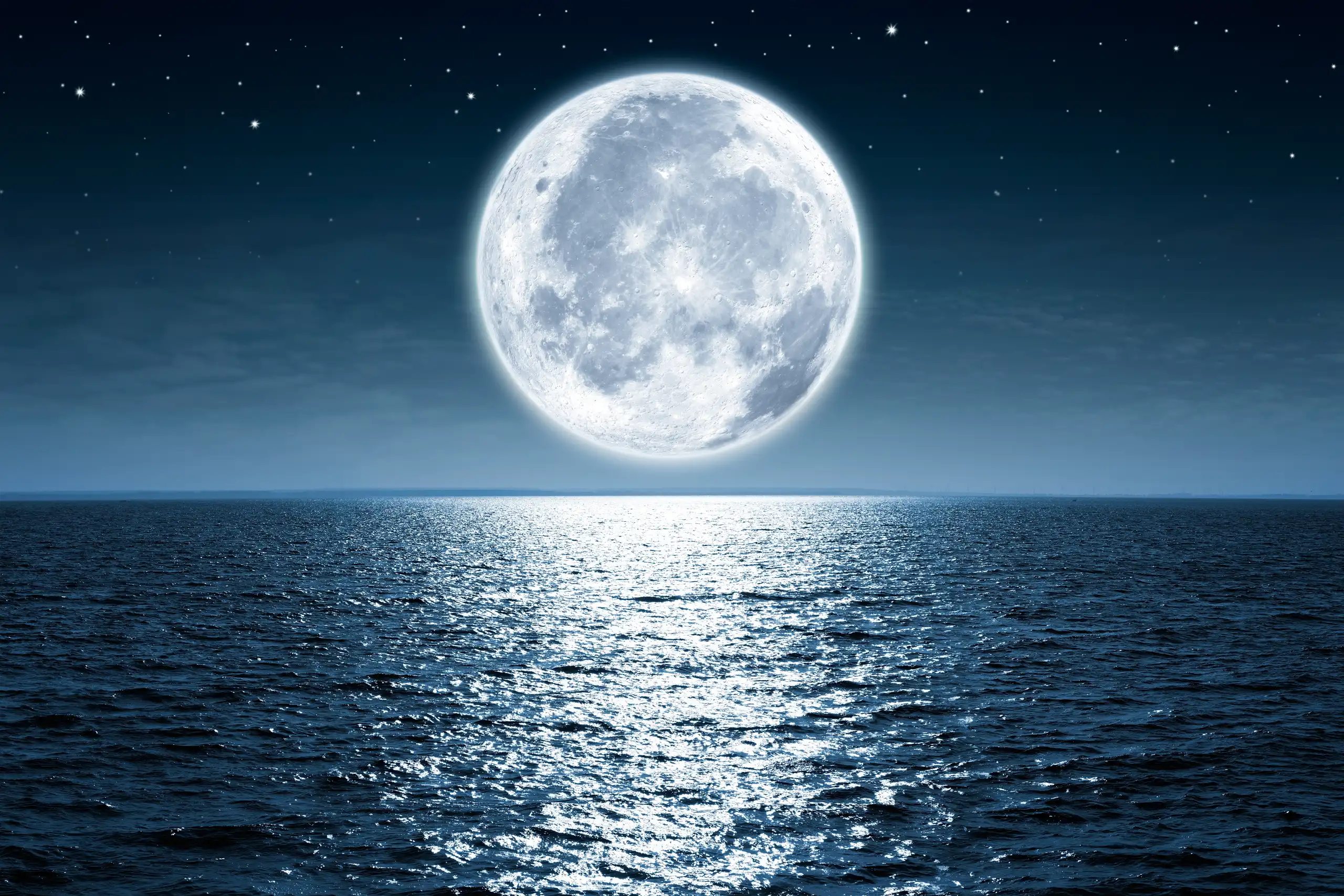
From the depths of the ocean to boundless space, modern luxury travel invites the adventurous to explore realms once reserved for dreamers. Beneath the waves, private submarine expeditions reveal vibrant coral kingdoms, sunken shipwrecks, and untouched marine sanctuaries. Beyond the atmosphere, orbital voyages and suborbital flights offer an entirely new perspective – the curvature of the Earth, the glow of city lights from hundreds of miles above, and the exhilarating silence of the universe. Both journeys redefine exploration, but both offer the rarest indulgence of them all – a front-row seat to worlds few have seen and even fewer have experienced in style.
Oceans
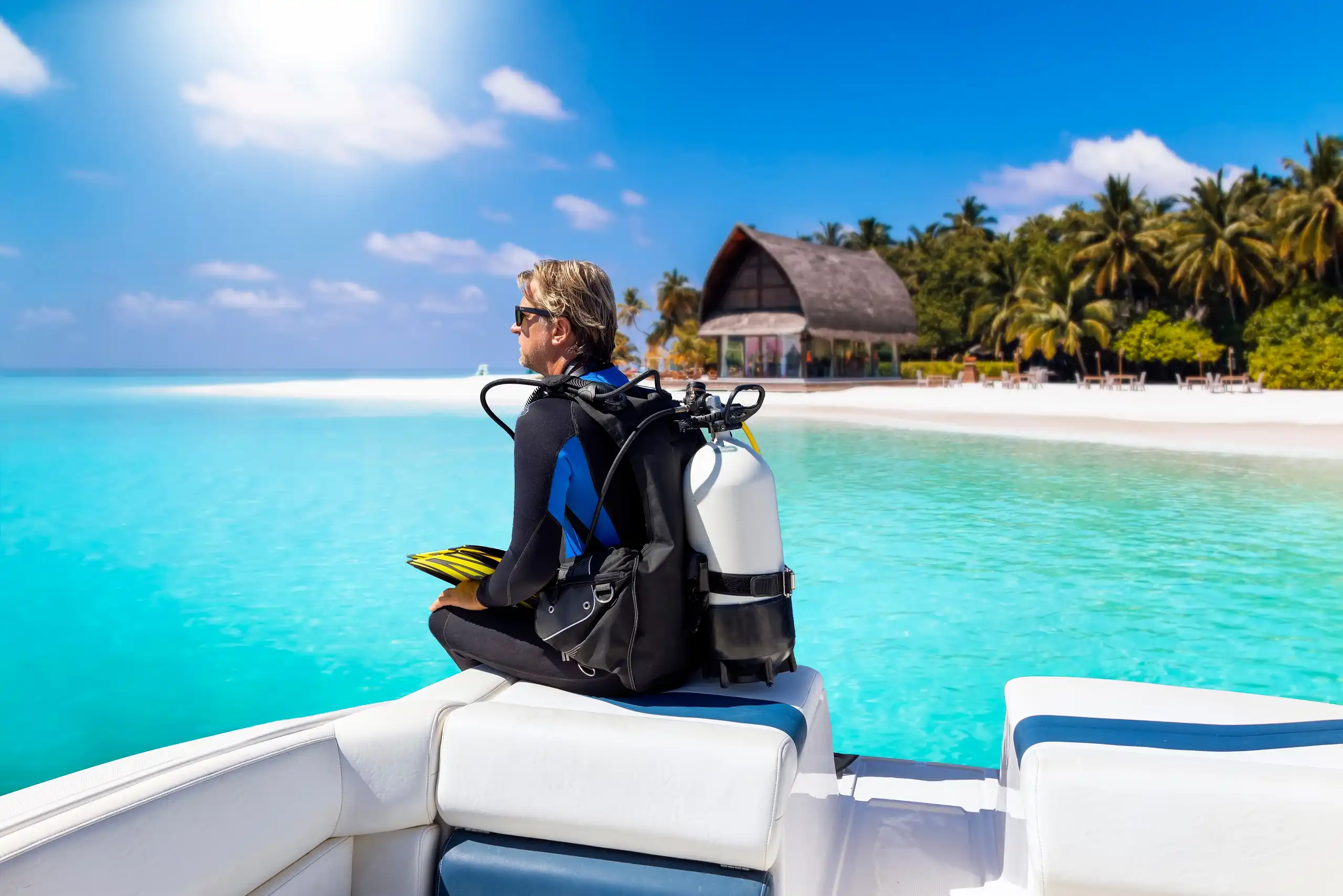
Ocean tourism sits at the intersection of exploration and escapism, where the world’s both largest and most unpredictable landscape becomes a destination. Unlike land-based travel, the ocean resists permanence. It shifts constantly. Currents redraw routes, light transforms color, and weather can flip from calm waters to terrifying storms.
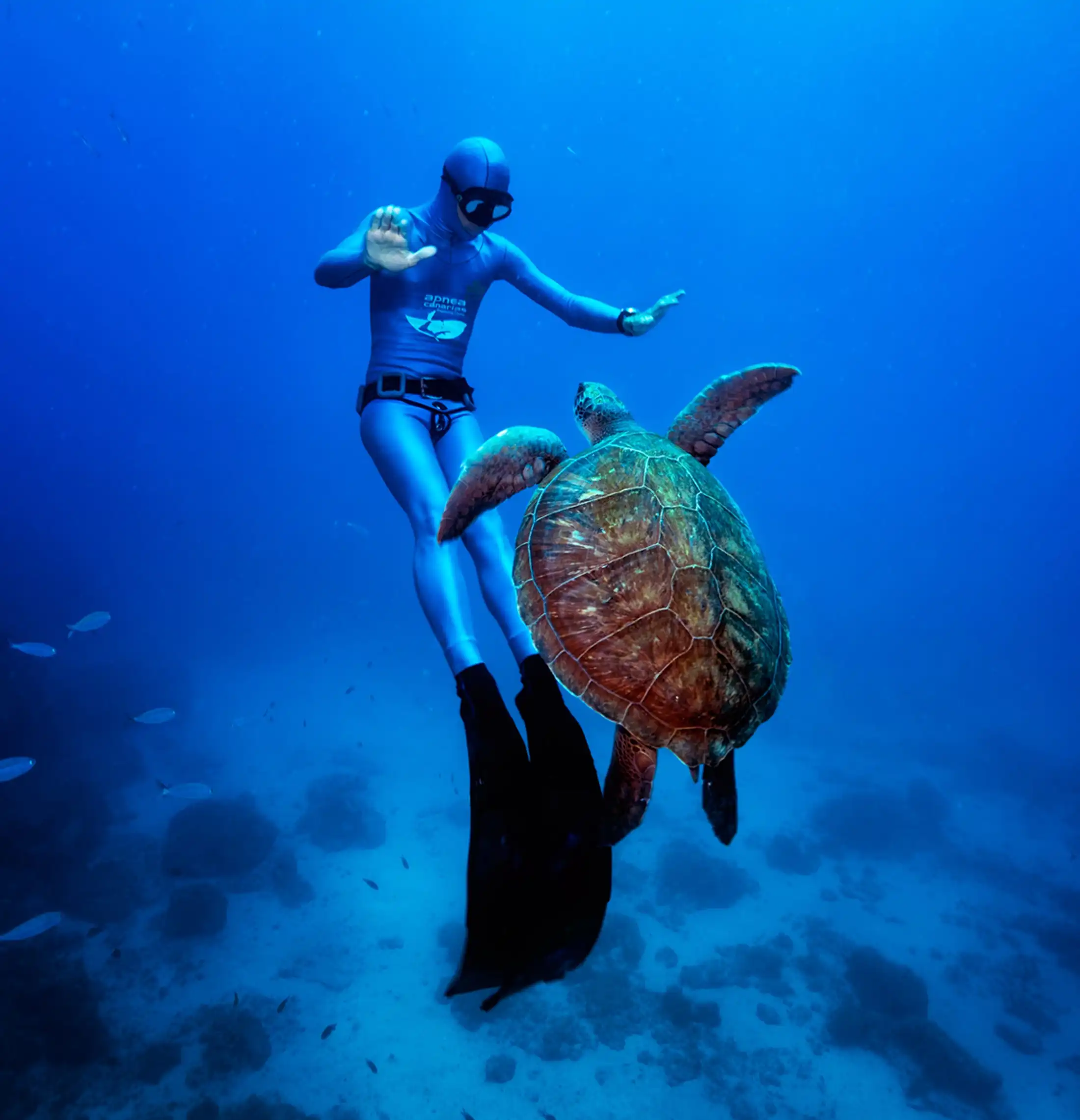
Modern ocean tourism now operates less like traditional vacation travel and more like a blend of expedition science, luxury hospitality, and adventure logistics. At the high end, travelers board expedition vessels or luxury cruise ships that function as floating research hubs. They are equipped with submersibles, decompression facilities, onboard dive instructors, and route planning that follows seasonal marine migrations. It is within this ecosystem that “deep sea diving loops” have emerged as curated global itineraries. They can be multi-week or multi-month circuits that move divers across ocean basins to experience radically different underwater environments in a single journey.
These loops are designed around oceanography and biodiversity rather than geography alone. A single itinerary might begin in tropical coral reefs, transition to remote atoll systems, then continue toward pelagic drop-offs, submarine volcanoes, and even cold-water kelp forests. The appeal is in the contrast. Divers experience not just depth, but entirely different underwater worlds shaped by currents, temperature gradients, and geological history.
The loops typically rotate through three types of environments. Tropical reef systems, biodiversity hotspots, as well as geological or historical extremes which feature sinkholes, wrecks, and vertical formations that require advanced certification. These routes are often operated by liveaboard vessels that reposition seasonally, allowing divers to follow whale migrations, plankton blooms, and optimal visibility windows. A full circuit can span the Pacific, Indian Ocean, and parts of the Atlantic, effectively turning the planet into a continuous dive itinerary.
Some locations consistently anchor global diving circuits because they combine depth, clarity, biodiversity, and unique underwater terrain:
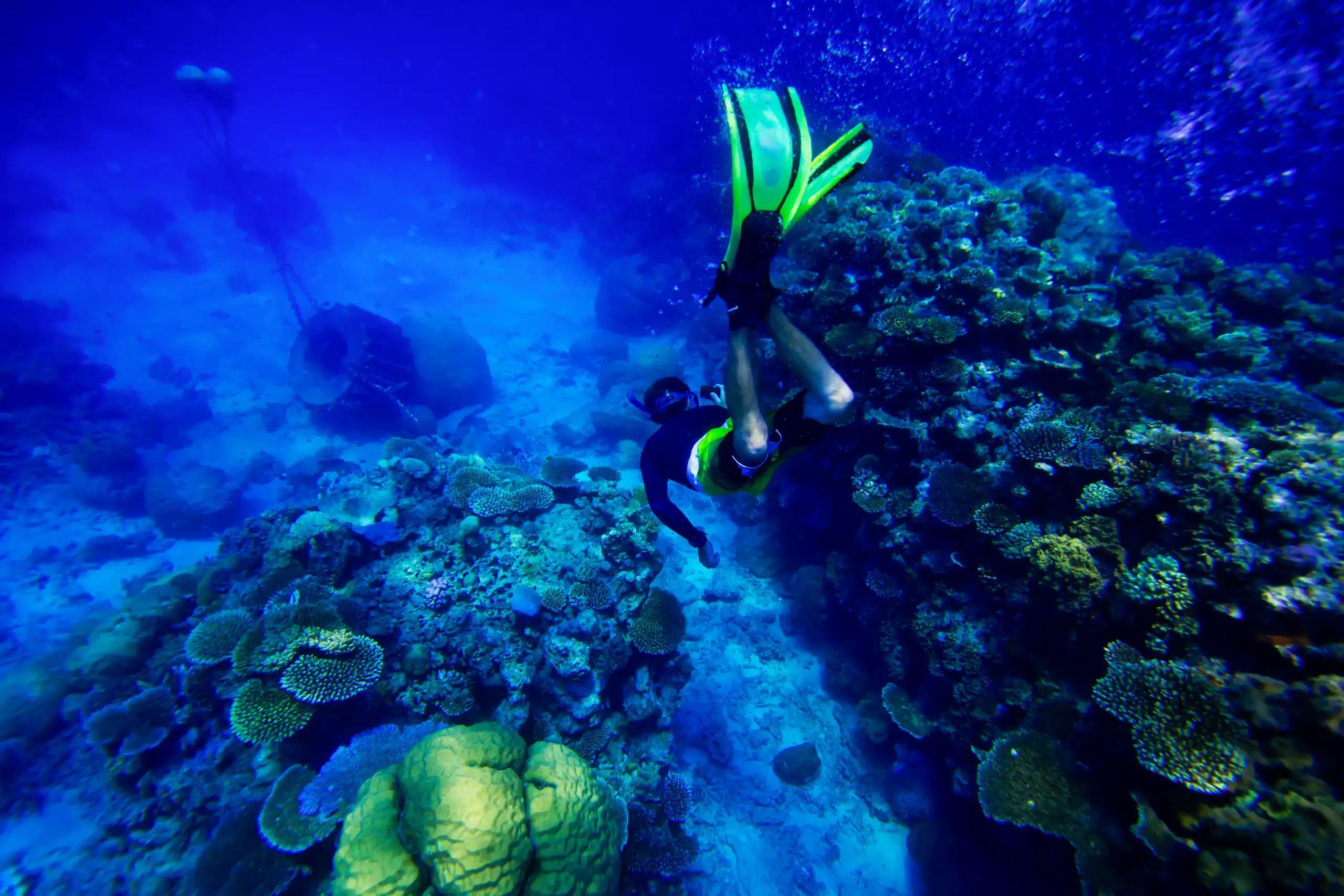
The Great Barrier Reef. Of course, this reef is a deep-sea diving magnet. It is the world’s largest coral reef system and offers everything from shallow coral gardens to steep outer reef walls that plunge into deep blue ocean. Advanced dives here often involve drift diving along continental shelf drop-offs where large pelagic species pass through.
The Galápagos Islands. Dives here are designed for advanced divers due to strong currents and encounters with hammerhead sharks, marine iguanas, and whale sharks. Sites like Darwin and Wolf Islands are especially prized for pelagic megafauna encounters in deep open water.
The Raja Ampat Islands. These islands are often described as the epicenter of marine biodiversity. Located in Indonesia’s remote West Papua region, Raja Ampat combines steep underwater limestone walls, hidden caves, and deep channels carved by ancient tectonic movement. Its dive circuits feel like moving through an endless vertical coral city, where every descent reveals layered ecosystems stacked from shallow reef gardens down into dark, nutrient-rich drop-offs.
Palau. Also located in Indonesia, Palau is famous for its dramatic blue holes, sheer vertical drop-offs, and the iconic “Blue Corner,” where divers often hook into the reef to stabilize themselves against powerful currents. From this anchored position, the open ocean becomes a moving panorama showcasing sharks that patrol the blue water column, schools of tuna that surge past in coordinated bursts, and barracuda that hover like suspended metal in the current. The experience is less about swimming and more about observing an active pelagic highway unfolding just offshore.
Maldives. Beyond its reputation for overwater luxury resorts, the Maldives is structured around deep atoll systems and channel dives that connect open-ocean basins with protected lagoons. These channels act as natural funnels for nutrient-rich currents, drawing in manta rays in sweeping feeding spirals and seasonal gatherings of whale sharks. Many liveaboard itineraries follow long atoll chains, moving from one deep ocean pass to another, creating a rhythm of dives shaped entirely by current flow and pelagic migration patterns.
Silfra Fissure. The Silfra Fissure in Iceland offers a radically different form of diving. It is a cold-water immersion between the North American and Eurasian tectonic plates. While not “deep sea” in the oceanic sense, it delivers an otherworldly sense of depth through clarity rather than vertical distance. Visibility often exceeds 100 meters, allowing divers to drift through a narrow rift that feels suspended in air rather than water. The silence is extreme, the water near-freezing, and the geology is exposed in detail. This makes it one of the most visually distinct dive environments on the planet.
What distinguishes modern deep-sea diving tourism is that divers are no longer visiting a single destination but rather moving through a sequence of underwater biomes. Each stop changes not only the marine life, but also the physics of the dive itself through visibility, currents, depth profiles, and even breathing gas requirements in advanced technical dives. The result is a form of travel where the ocean becomes the map, and each descent is a transition into a different version of the planet. One that is largely hidden from the water’s surface but connected beneath it.
Space
For most of human history, space belonged to astronauts, cosmonauts, and carefully selected test pilots. People who trained for years just to glimpse Earth from above. All that has changed.
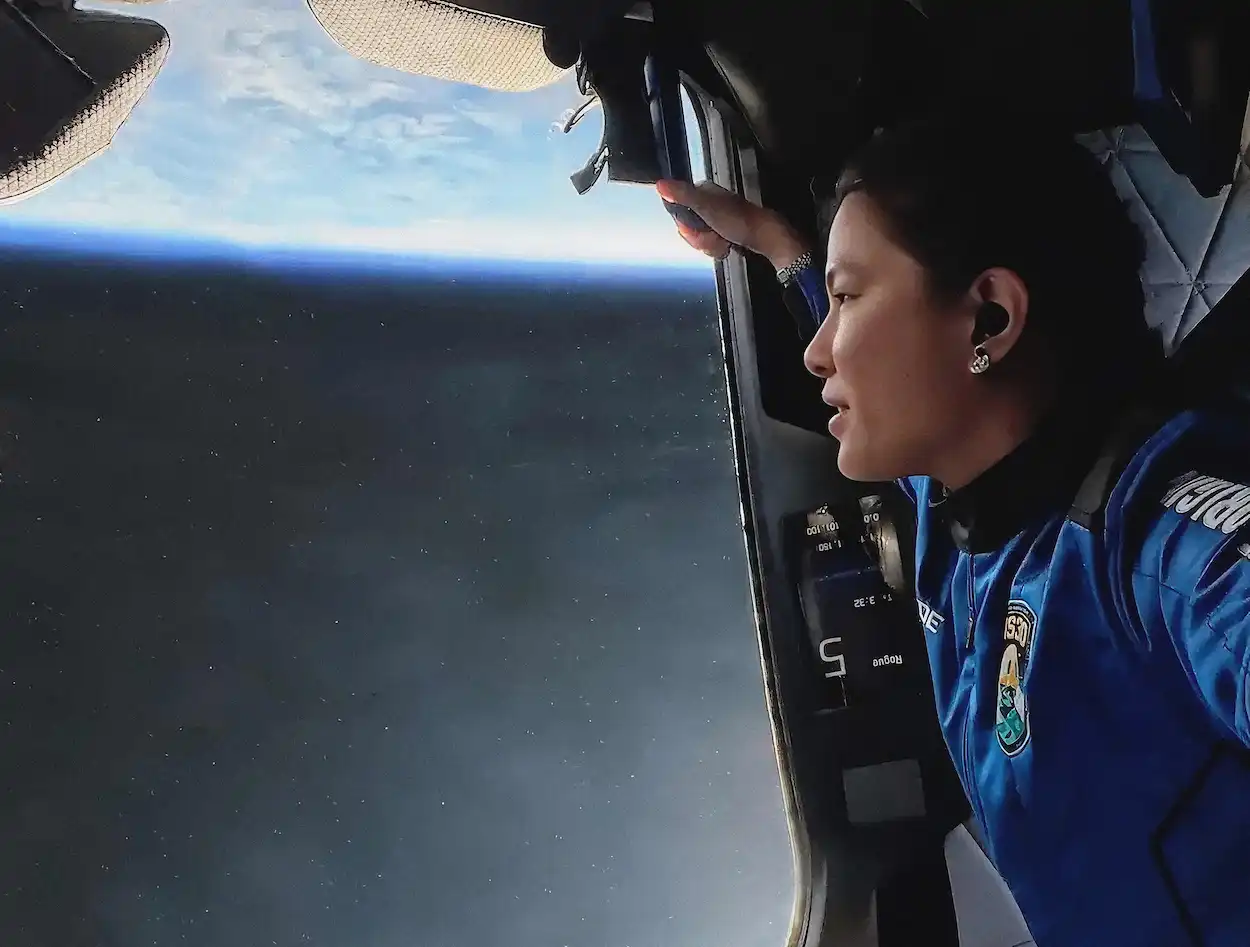
Space tourism is no longer a theoretical luxury or an abstract dream. It is an emerging industry with real flights, real passengers, and a rapidly developing commercial ecosystem built around one idea. That orbit is the ultimate destination experience.
But unlike traditional travel, space tourism is not just a luxury tier. The modern space tourism era traces its roots to a handful of private companies that refused to treat space as off-limits. Among the earliest and most influential is SpaceX, founded by Elon Musk, which transformed orbital flight from rare national missions into a scalable commercial system. While SpaceX’s primary business are launch services and Mars ambitions, its reusable rockets have made civilian spaceflight technically and economically plausible.
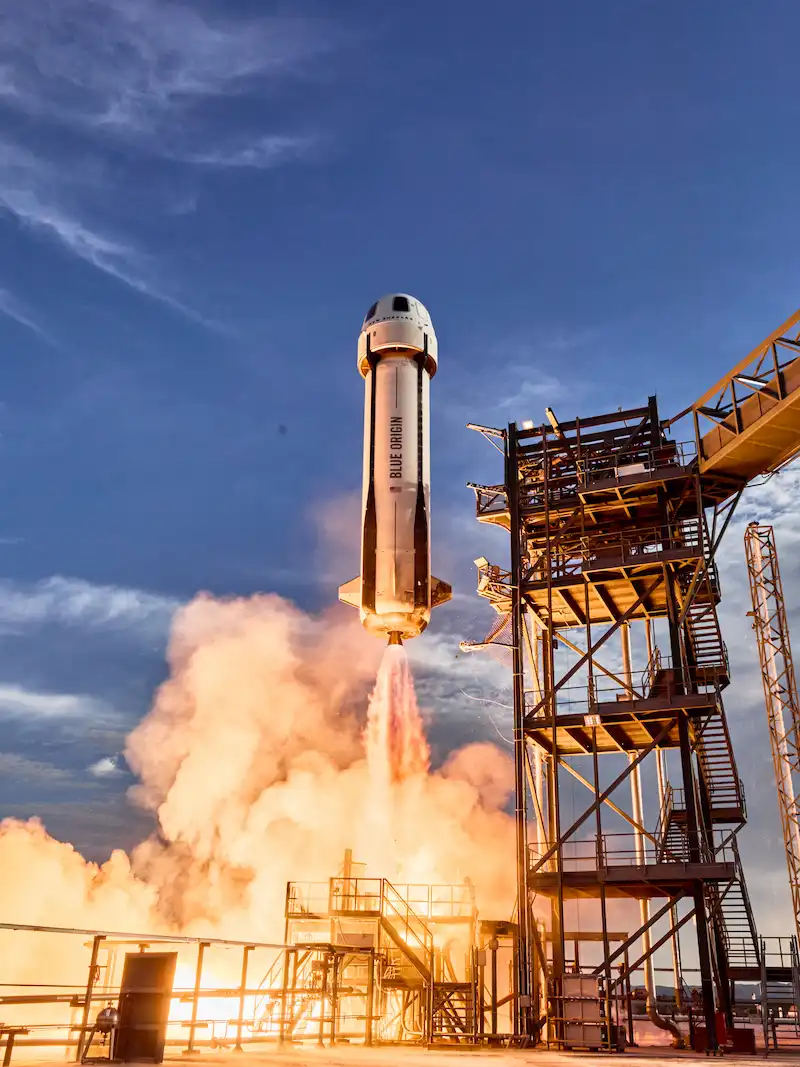
Another key player is Jeff Bezos’ aerospace company Blue Origin. Unlike Space X, Blue Origin focuses heavily on suborbital tourism – those short flights that cross the edge of space and offer passengers a few minutes of weightlessness and a view of Earth’s curvature. And then there is Virgin Galactic, Richard Branson’s spaceflight venture. This company has built its brand around a very specific promise. That space can be a curated, high-end experience rather than a technical expedition. Each company represents a different philosophy of access. But together, they form the backbone of a new industry that is still defining itself in real time.
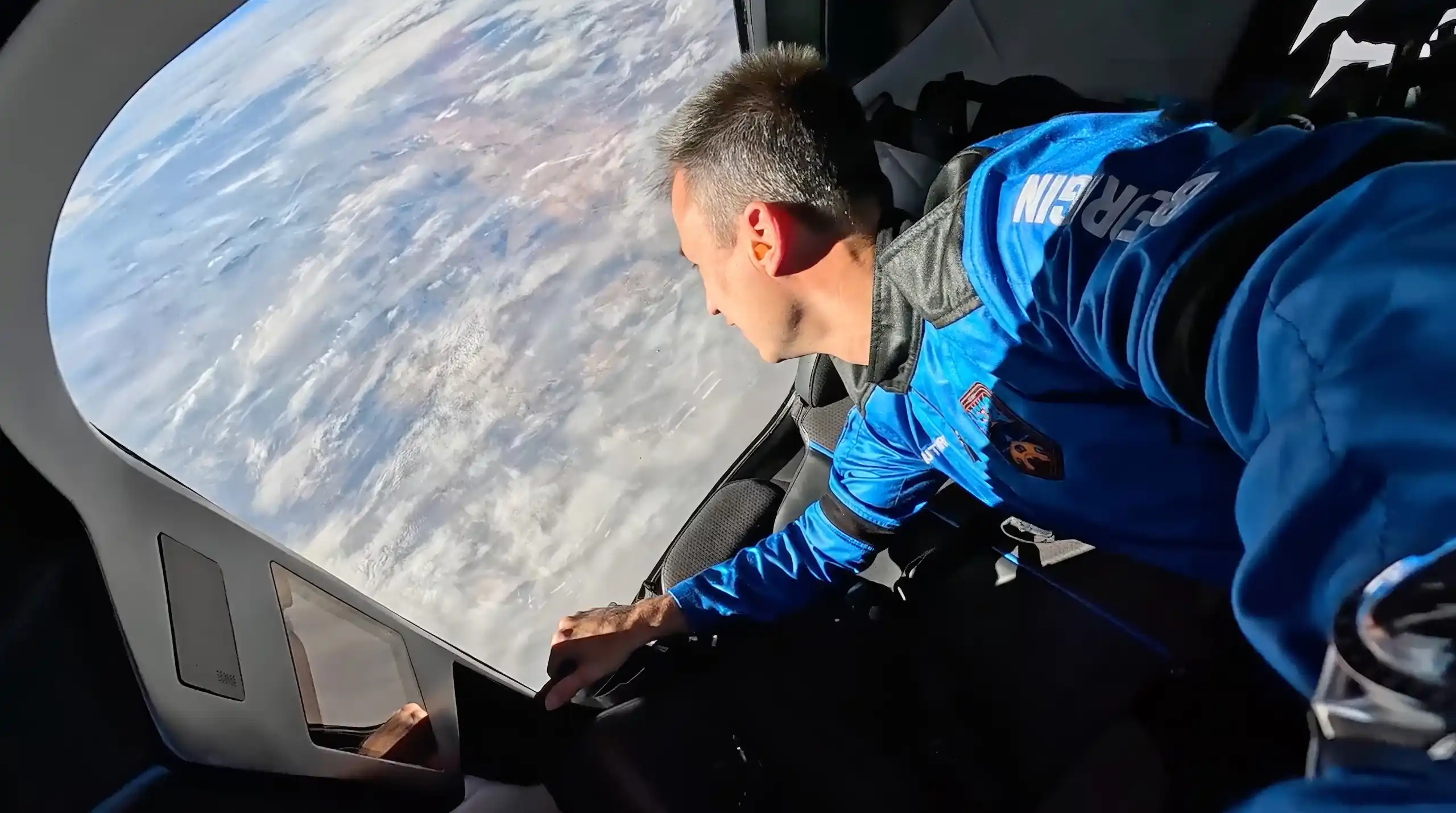
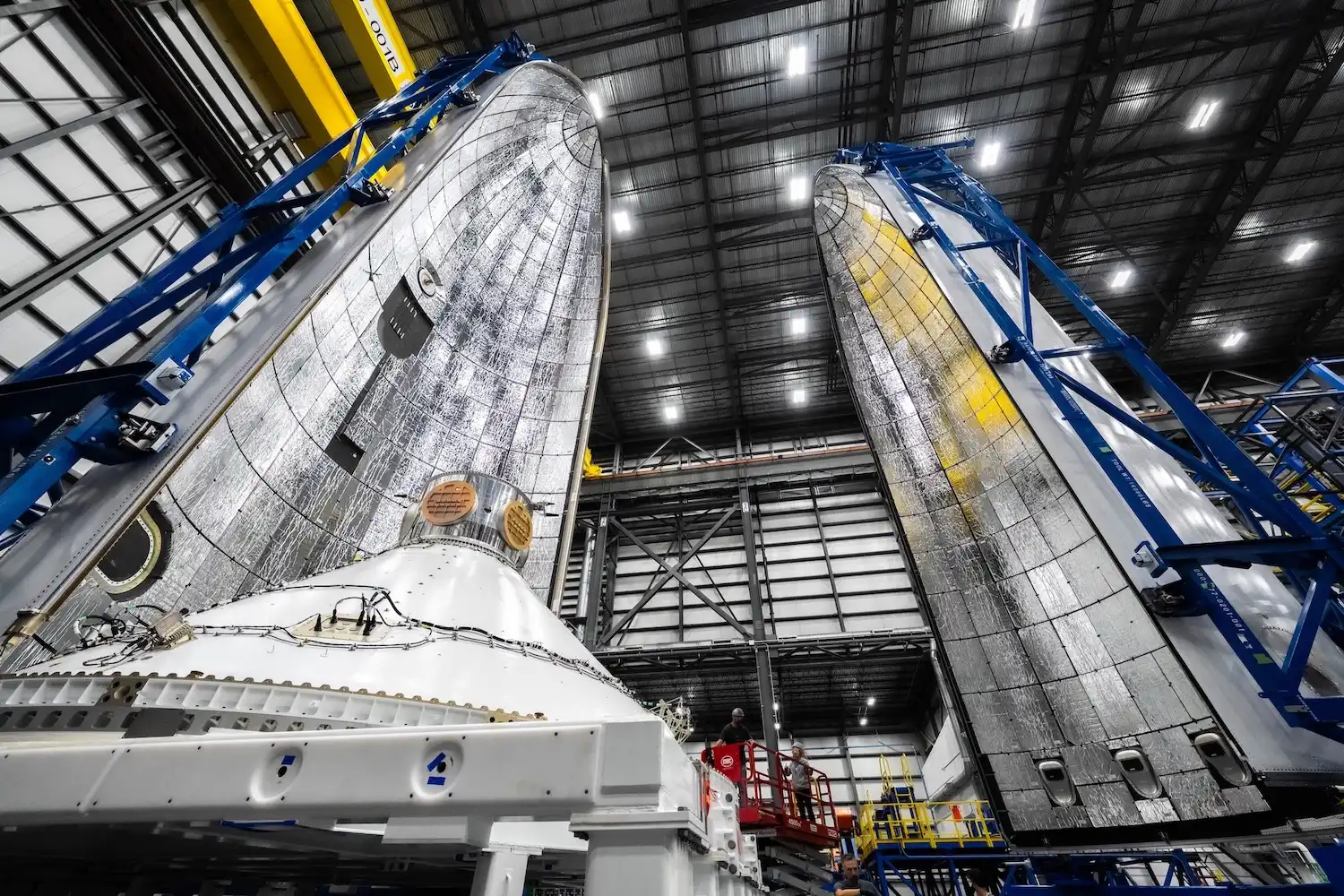
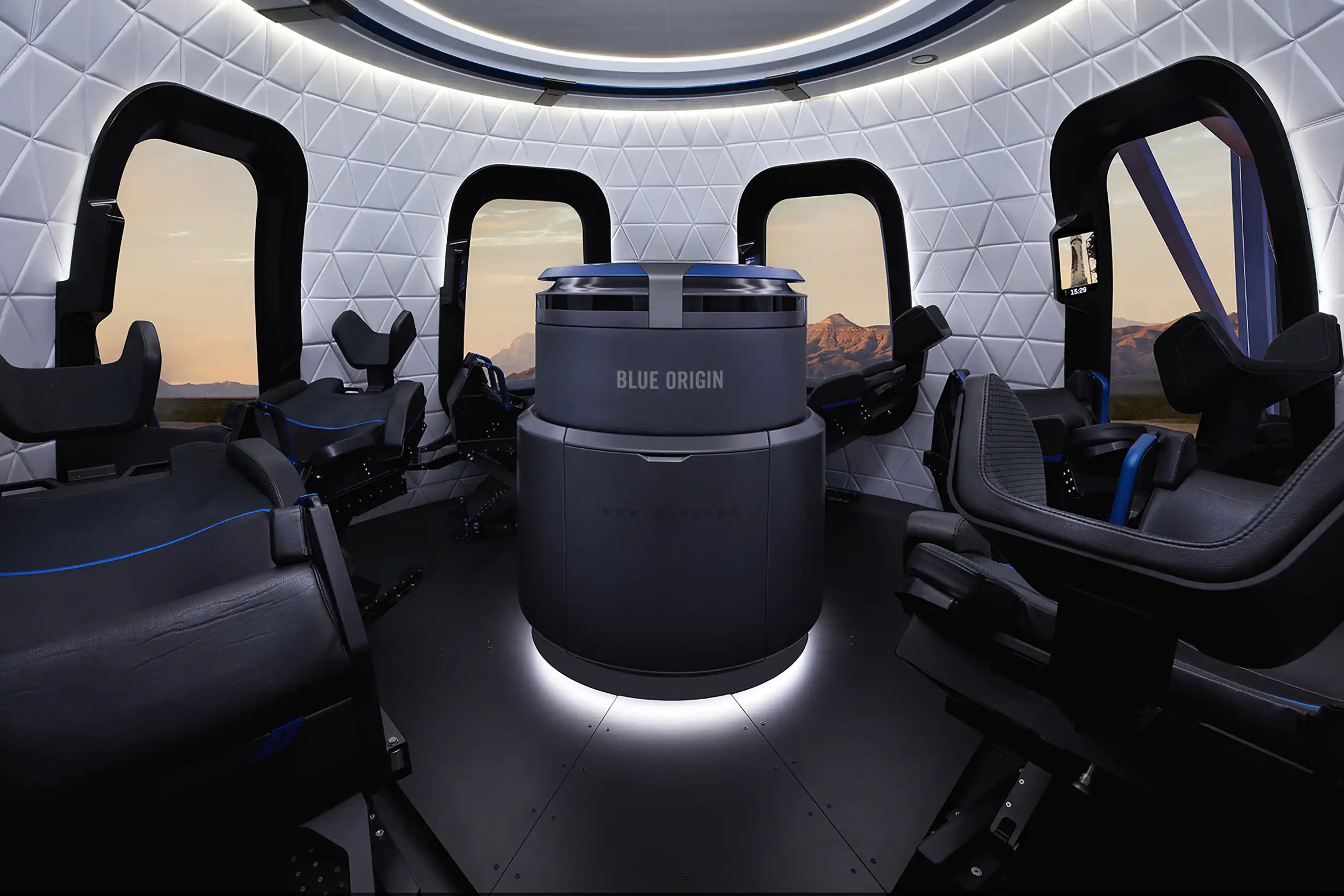
For suborbital flights, the experience is brief but intense. After launch, passengers pass the Kármán line, the widely recognized boundary of space, and experience a few minutes of microgravity. Earth appears as a thin blue arc suspended in darkness. There is no horizon in the conventional sense. There is only curvature, silence, and motion without friction.
For orbital tourism, reserved for a far smaller group, the experience extends into days. Passengers circle Earth every 90 minutes, watching sunrises and sunsets repeat in rapid succession. Time becomes disoriented. Sleep becomes optional rather than structured. It is similar to living on the International Space Station.
If luxury travel has always been defined by scarcity, space tourism is scarcity in its purest form. Tickets currently range from hundreds of thousands of dollars for suborbital flights to tens of millions for orbital missions. But pricing alone does not fully describe the barrier to entry.
Training, medical screening, scheduling constraints, and limited flight availability all contribute to an ecosystem where access is as important as affordability. This is not mass tourism. It is access to an environment that still operates closer to experimental aviation than commercial travel.
And yet, demand continues to grow.
Denis Tito was the first space tourist in 2001. Since then, seven private individuals have traveled to the International Space Station as paying tourists on Russian Soyuz missions. Blue Origin’s New Shepard flights have carried over 100 people, while Virgin Galactic has flown dozens. Looking ahead, analysts predict that between 2026 and 2030, 1,000–2,000 paying civilians could go to space, mostly on suborbital trips. And by 2030–2040, with reusable rockets, orbital missions, and private space stations, that number could rise to 5,000–10,000. Virgin Galactic plans to fly 400–500 suborbital passengers each year once its new Delta spacecraft is operational. People are quite literally saying, Fly Me To The Moon.
In previous eras, luxury travel meant private islands, superyachts, or bespoke global itineraries. Now, space has entered that hierarchy but not as a replacement, rather as an apex. A seat on a spacecraft is capital. It signals participation in a very small group of people who have physically left Earth. Spaceflight is no longer just an exploration of physics. It is becoming the highest luxury experience.