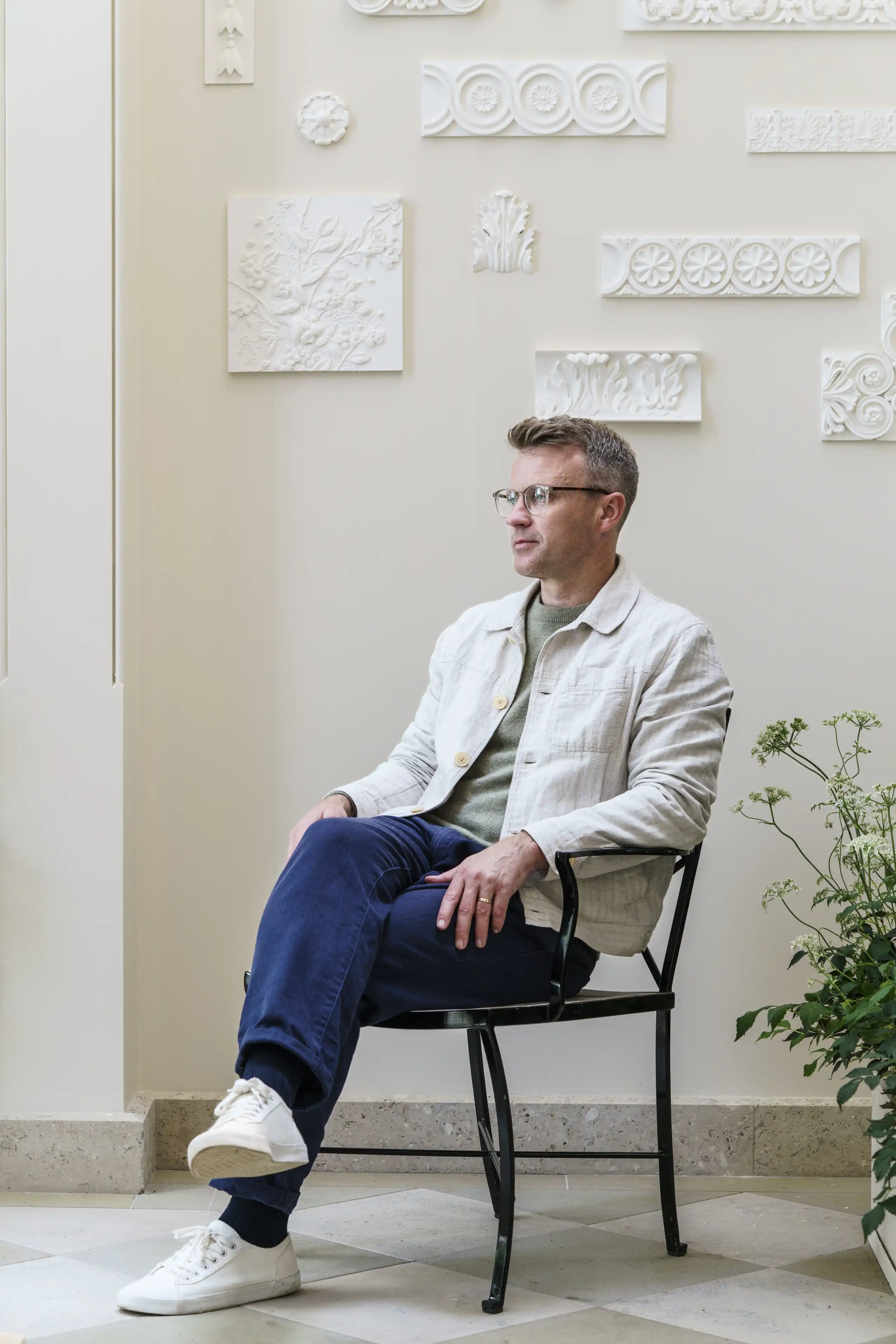
As architecture increasingly grapples with questions of sustainability, longevity, regional identity, and the accelerating pace of technological change, Darren Price believes many of the answers may already exist within the buildings that have stood the test of time.
As a partner of ADAM Architecture, a prominent firm based in London and Winchester and known for its work in traditional and classical architecture that spans international markets, Pricehas built a career around a simple proposition – architecture should not be designed merely for the present moment. Whether restoring a Grade I listed London townhouse, rebuilding a fire-damaged historic estate, or creating a new country house intended to endure for centuries, he approaches every project through the lens of continuity. For him, architecture is not simply about aesthetics. It is about stewardship and legacy.
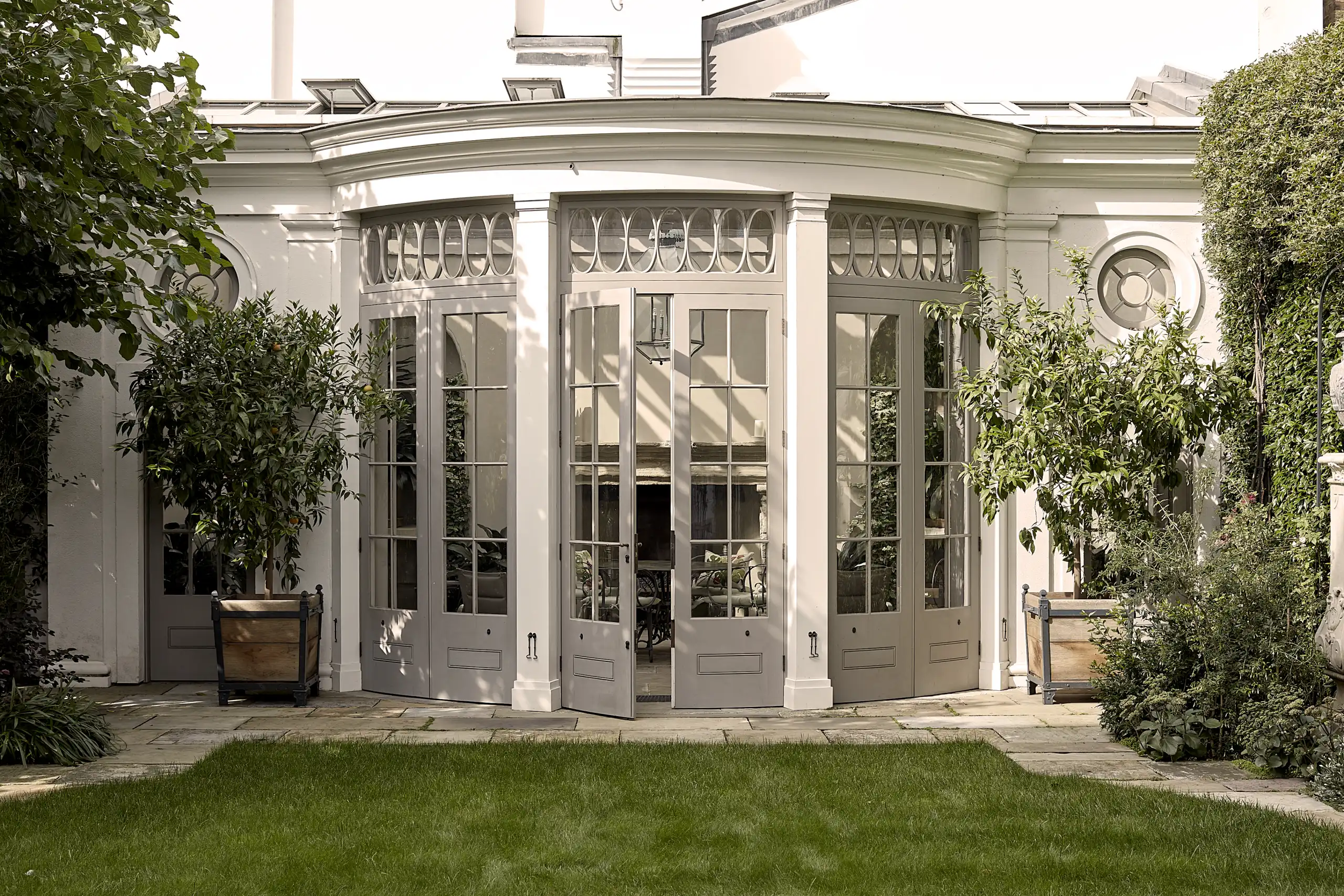
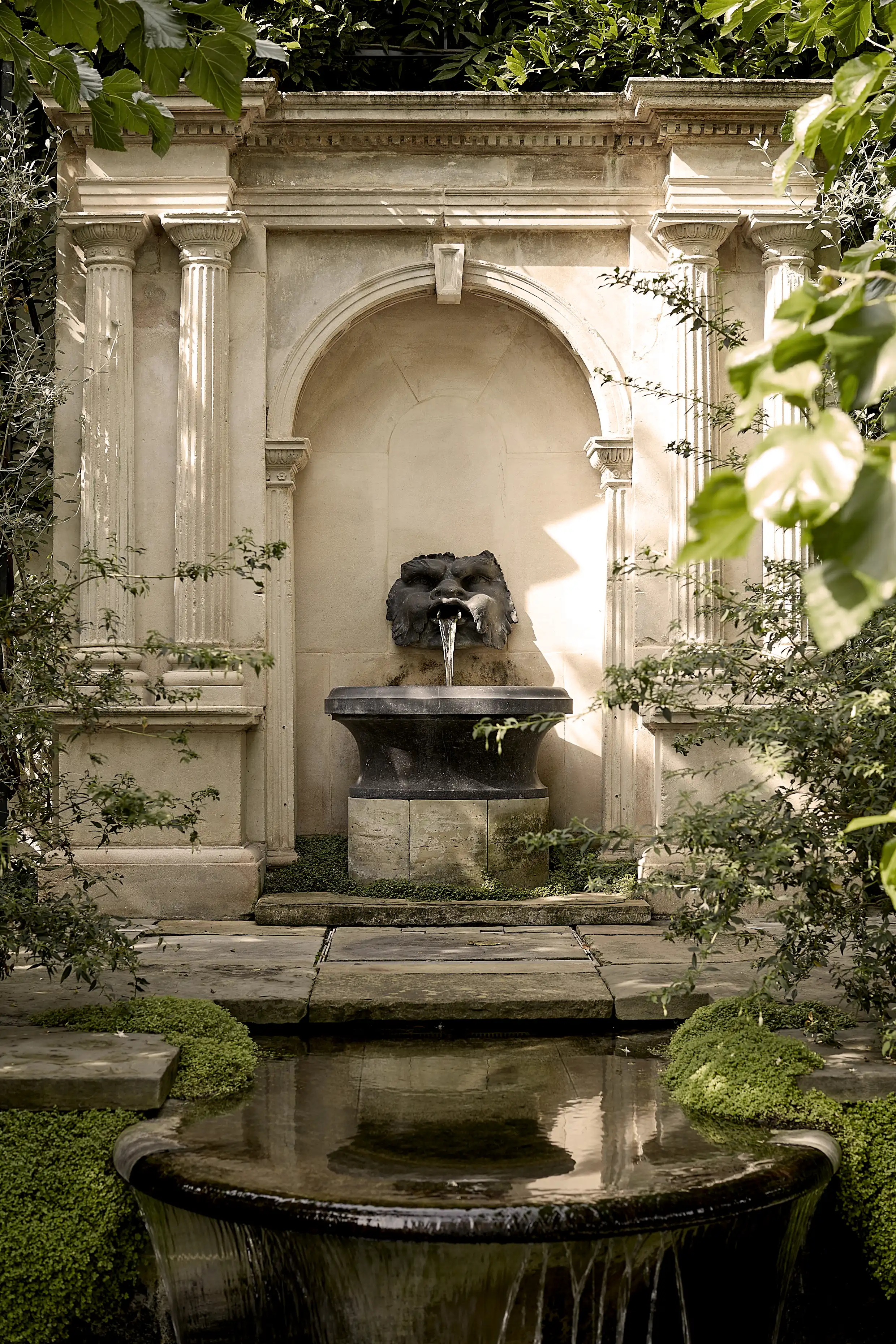
“I learn what’s worked in the past, and I like to think about taking that forward into the future. I feel quite firmly that my work is part of a chapter of a story. I need to understand where we are in that story to facilitate my involvement and design something not just beautiful and meaningful but enduring. But I also know there will be a future, and that somebody else will come after me and my clients. In a way, that provides a framework around the architect as author. It’s not about creating something new simply for the sake of creating something new. It’s about understanding what has gone before, respecting it, and then contributing something that allows the narrative to continueand unfold.”
At a time when many buildings are designed around short-term trends, changing lifestyles, and rapidly evolving technologies, Price’s perspective is relevant. His projects often begin with questions that are rarely discussed in contemporary design conversations. How will a building age? How will future generations adapt it? What memories will it celebrate and continue to create? And, perhaps most importantly, what responsibilities do architects have to the buildings and landscapes they inherit?
It is these questions that have shaped a career and led to some of the most complex restoration projects in Britain.
A Different Path
Unlike many architects who describe a childhood obsession with drawing buildings or a lifelong certainty about their chosen profession, Price’s journey into architecture was gradual.
“I wasn’t like Frank Lloyd Wright, who decided he wanted to be an architect whilst he lay in the nursery and saw pictures on the wall,” he says with a laugh. “I didn’t really know that I wanted to be an architect until much later in life. I was always interested in archaeology and art and creativity and had quite a broad range of interests, but it took me a while to narrow those down. Looking back now, I can see the threads that eventually led me to architecture, but at the time it wasn’t some grand plan. It was a journey of discovery.”
Rather than viewing the British qualification process as one daunting commitment, he focused on each milestone individually.
“I thought what I’ll do is a degree and see where life takes me. Architecture is a long path, and if I’d looked at all seven years at the beginning it might have felt quite intimidating. So, I broke it down into smaller commitments. Then I got to the end of the degree and thought, well, actually, I better do the diploma. Then at the end of the diploma, I thought, well now I better start taking this seriously. Before I knew it, I’d completed the professional exams and found myself fully committed to a career that I hadn’t necessarily planned from day one.”
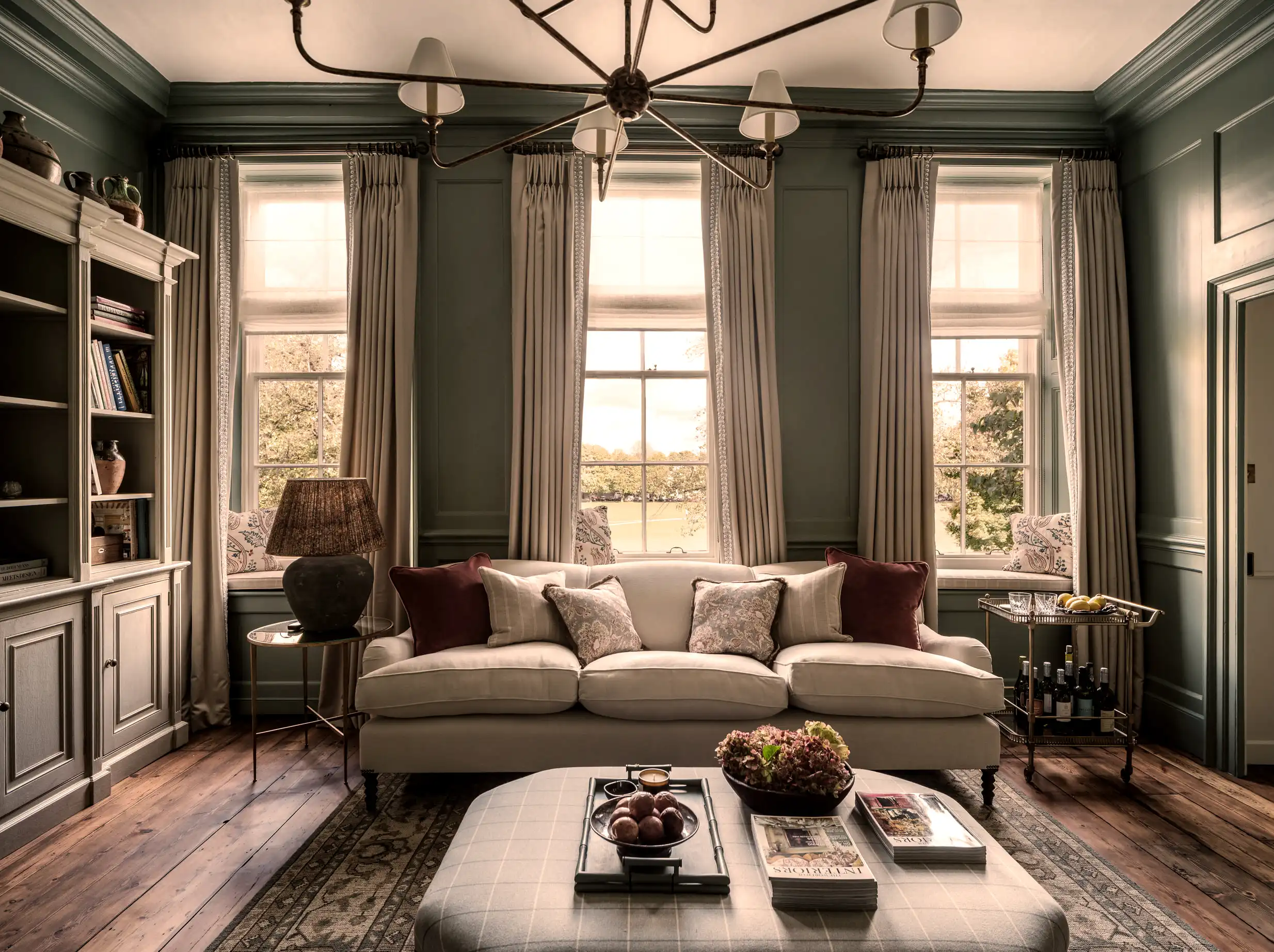
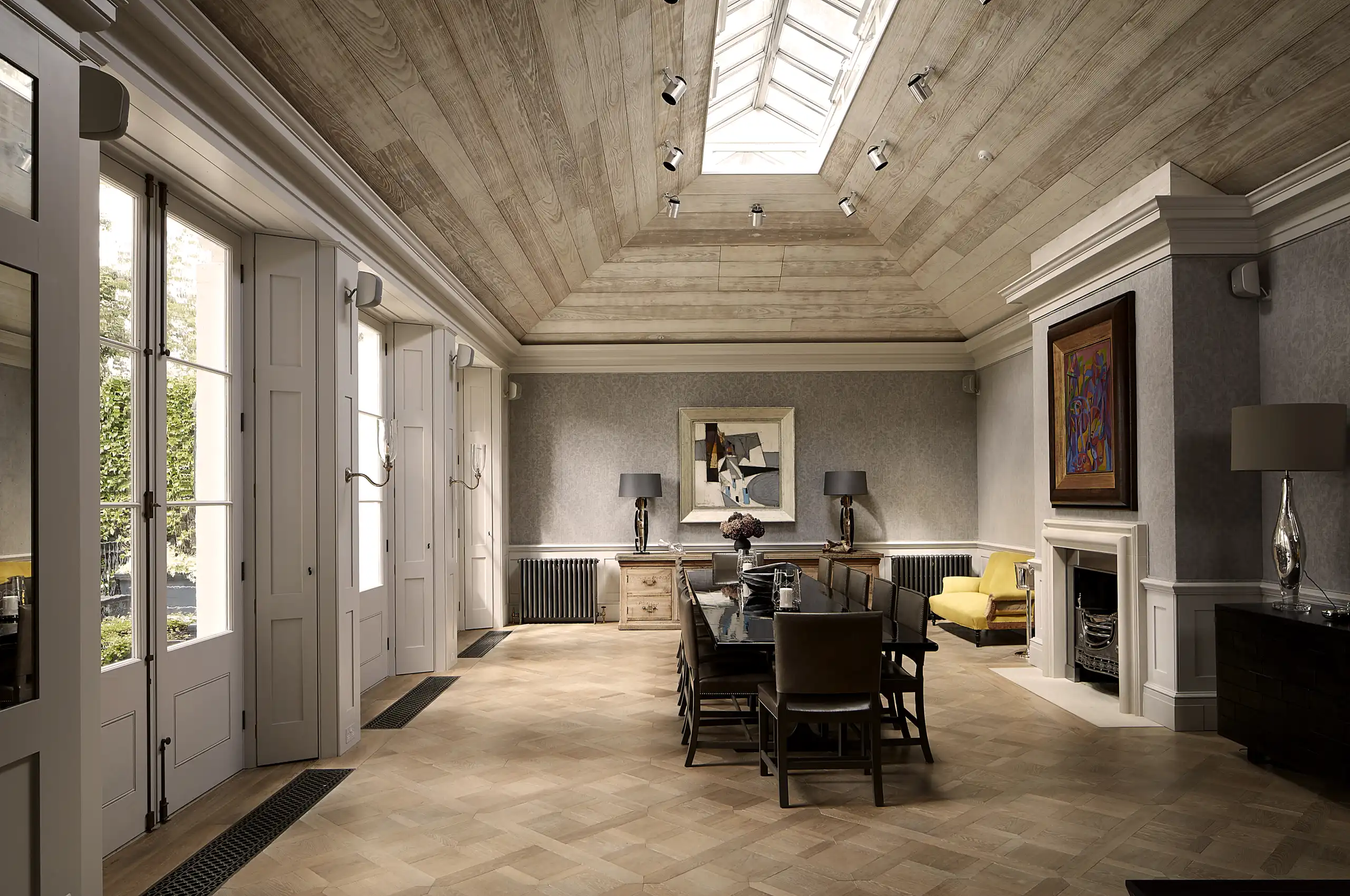
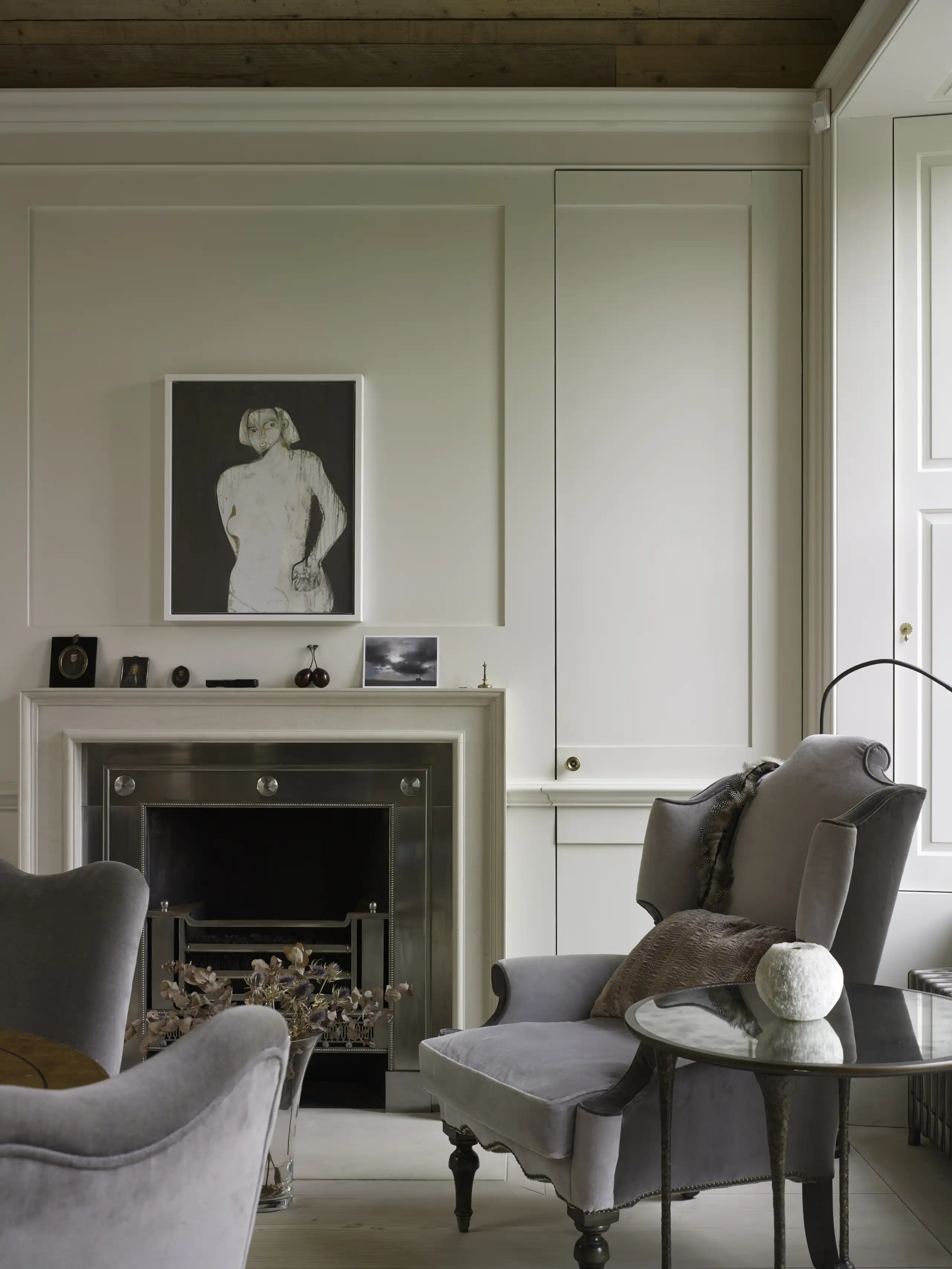
The incremental approach worked. But years later, Price realized that architecture may have influenced him far earlier than he understood at the time. Growing up, he often passed through Bournville, a 19th century model village established by the Cadbury family for workers at their chocolate factory. The village was designed around ideas of beauty, social responsibility, and human wellbeing. The architecture caught his eye as a child.
“I remember driving past it – the village green, the buildings,and the way they sat comfortably within the landscape. Red-brick buildings cloaked in ivy. There was something about it that stayed with me. At the time I probably didn’t understand why, but that memory came back to me later in life. Bournville was created with a real sense of place and community, and I think what I was responding to was that feeling of belonging and permanence. Looking back now, I think that was probably the spark of traditional architecture and the beginning of my appreciation for buildings that are rooted in their landscape and culture.”
The recollection is significant because memory itself has become a recurring theme in Price’s work. The relationship between memory, atmosphere, and architecture forms the basis of many of his current ideas about design. That childhood glimpse of ivy-covered brickwork may have been more influential than he realized.
Learning From the Past
After completing his architectural education, Price began his professional career working on church restoration projects throughout Britain. This experience would prove formative.
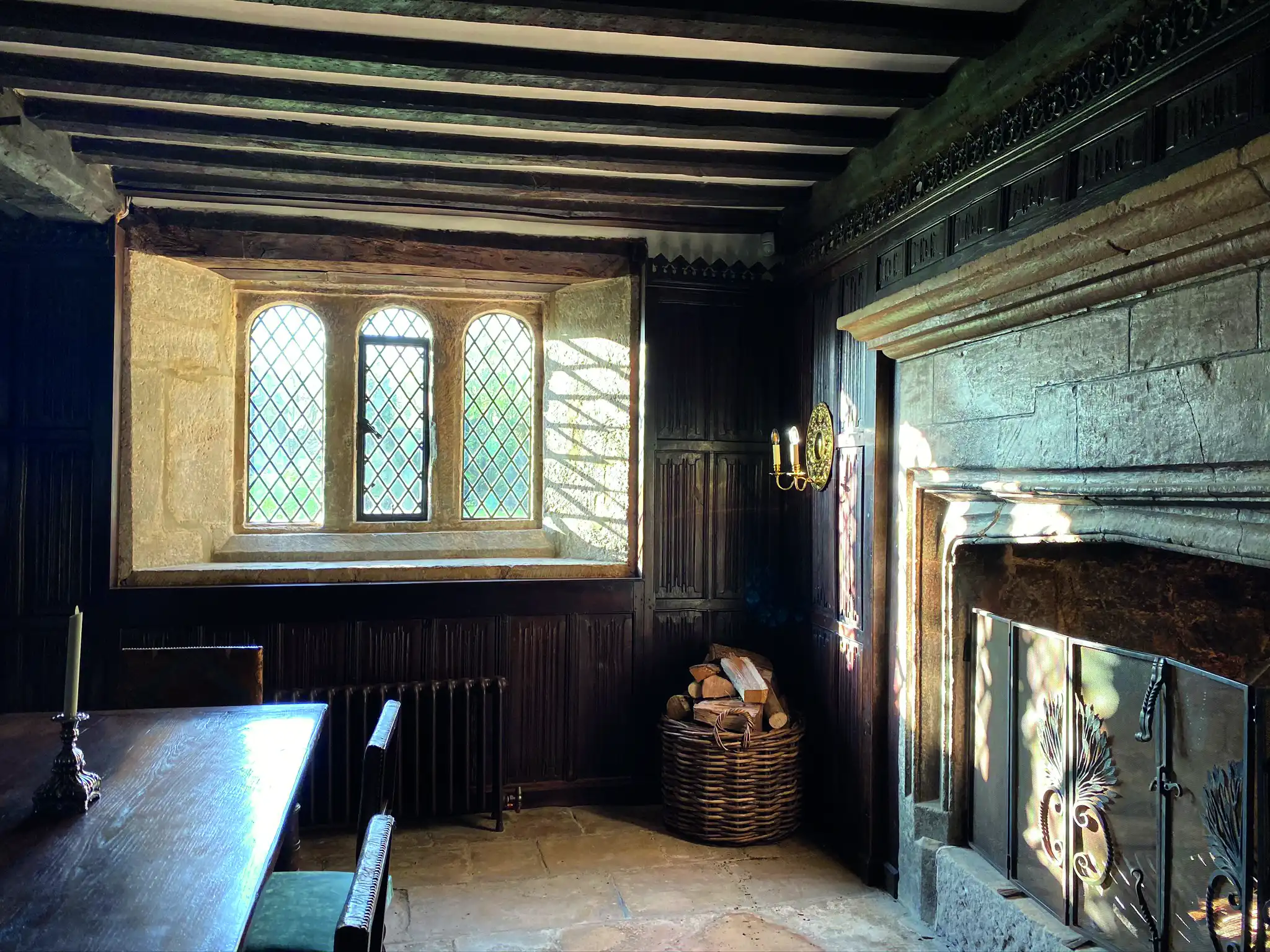
“I remember driving up and down the country restoring these beautiful old churches. Once you’re in these buildings, you appreciate there’s atmosphere, a mood, and a story embedded within the floors and walls in there. There’s a whole legacy of history – the traces of time and fingerprints. Obviously, there is the religious significance, but it’s also about all the human experiences that have taken place within those walls over generations. You become aware that architecture isn’t just physical fabric. It’s memory, ritual, emotion and time all layered together.”
For a young architect, churches offered lessons that could not be found in textbooks. That insight continues to influence the way he approaches design today.
While architecture is often thought of as a visual discipline, Price frequently focuses on experiences that are far less tangible.How does a room sound? How does it feel on a rainy day? What happens when sunlight enters a space at a particular time of year? How does a building smell when a fire is lit? These sensory considerations have become integral to his work.
“There’s an emotional register when you go into these buildings. It’s very sensory as well, whether it’s sounds and smells, not just what you’re looking at. The way a room echoes, the smell of old timber, the quality of light coming through a window… those things have an effect on people and more recently are a topic of emotional regulation and recalibration. They envelop and caress with atmosphere. That’s something I think about all the time now when I’m designing, because architecture should engage all of the senses, not just the eye and should unfold over time.”
But this is not about nostalgia for Price. It’s about authenticityand is very much forward thinking.
The Modernist Detour
Like many architects of his generation, Price eventually found himself drawn toward contemporary architecture. He immersed himself in the work of influential European designers including Peter Zumthor and Álvaro Siza. For several years, he explored modernist ideas, materials, and design philosophies. Yet something began to feel unsatisfying. He admits to becoming a bit disillusioned. Part of that disillusionment stemmed from larger changes taking place within architecture and urban development.
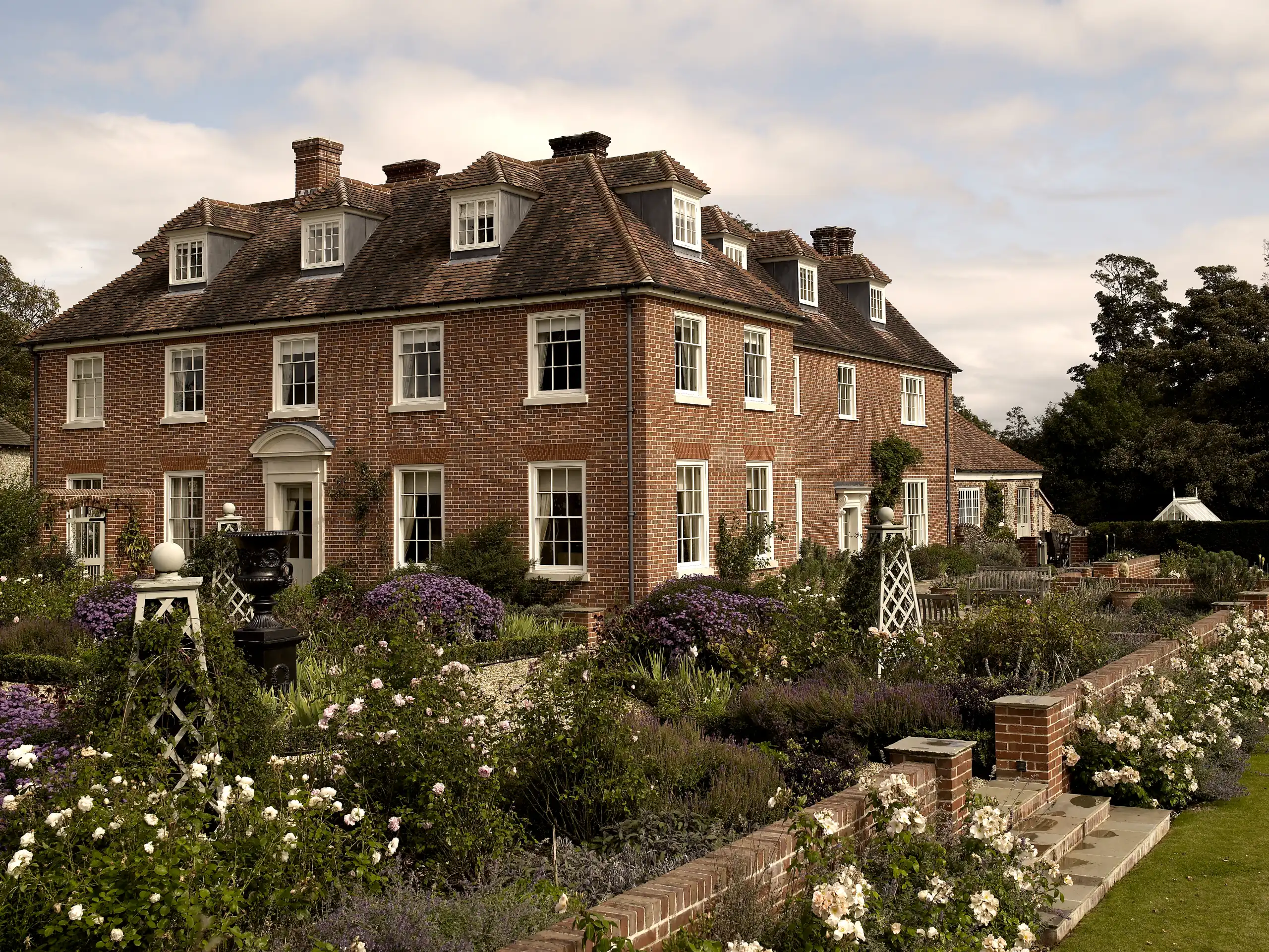
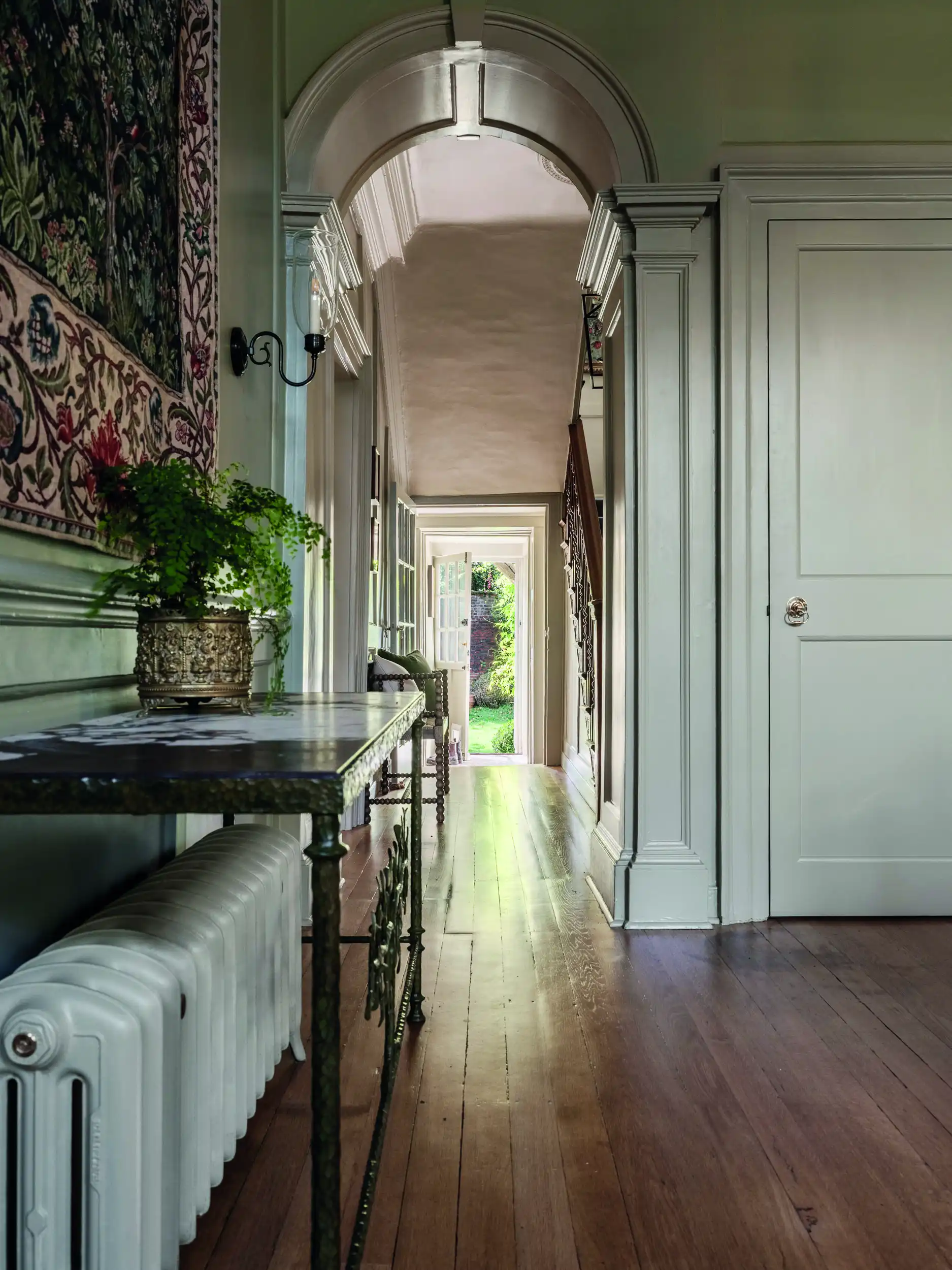
“It was a period of globalization. Cities across Europe, North America, and beyond were becoming increasingly similar.Buildings that could have been located anywhere were appearing everywhere. Towns and cities across the UK were starting to look like towns and cities across the world.”
For Price, architecture was losing something essential. It was losing its identity. Its locality. Its context. The connection between a building and its place became lacking.
“I ended up going back to my roots.”
Those roots included vernacular architecture, regional building traditions, and classical design. Not because they were old, but because they were rooted. Because they belonged somewhere.That realization ultimately led him to ADAM Architecture.Sixteen years later, he has become one of the firm’s partners.
Why Place Matters
One of Price’s strongest convictions is that architecture should be deeply connected to its environment. For him, context is not optional rather it is foundational.
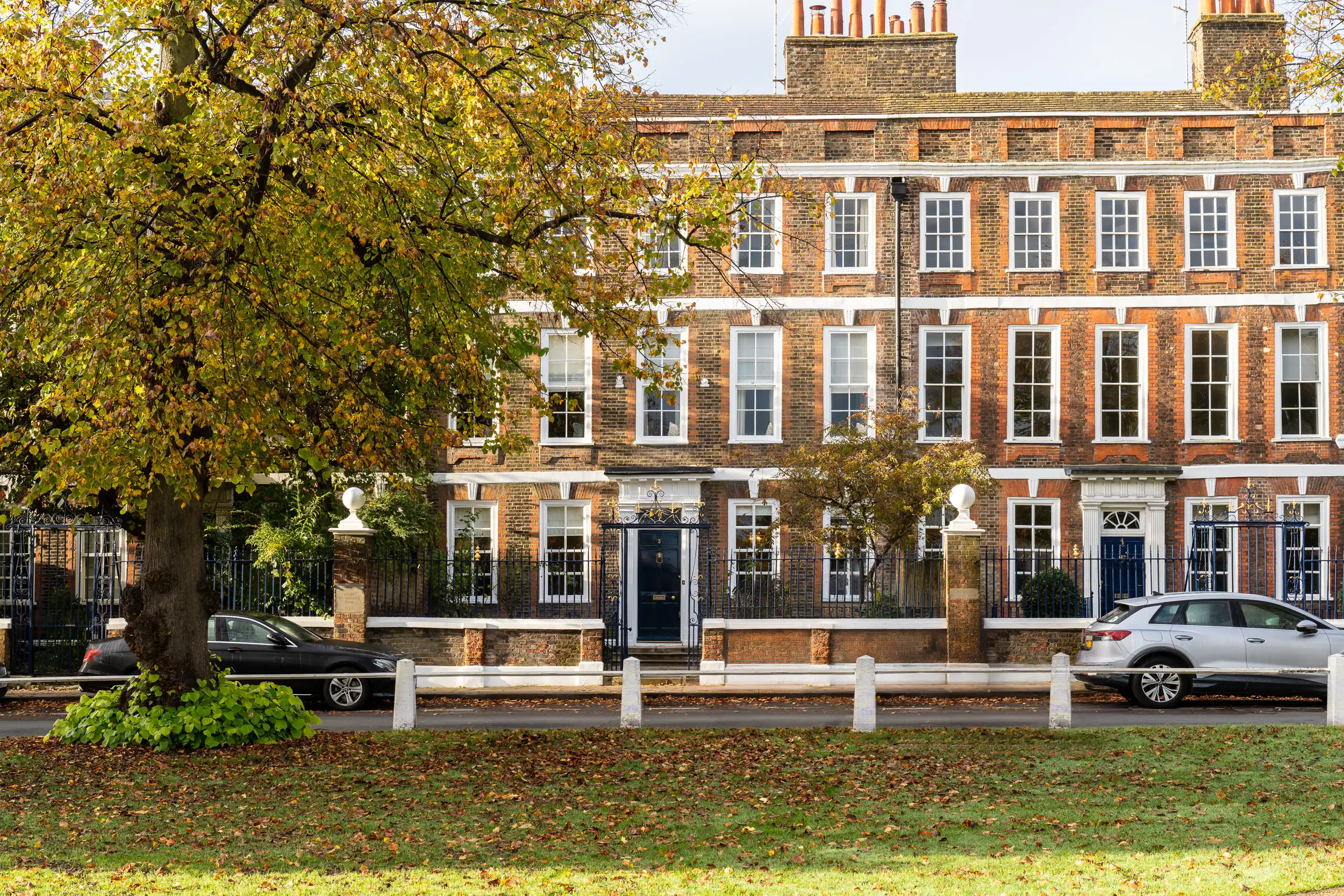
“Within the UK, even though it’s a small island, we’ve always been exceptionally regional. A building in Kent is going to be quite different from one in Cornwall. There are subtle differences in materials, proportions, detailing and character. I can often look at a building and have a good sense of which county it comes from. Those regional qualities matter because they help root architecture in place. They create familiarity and a sense of belonging.”
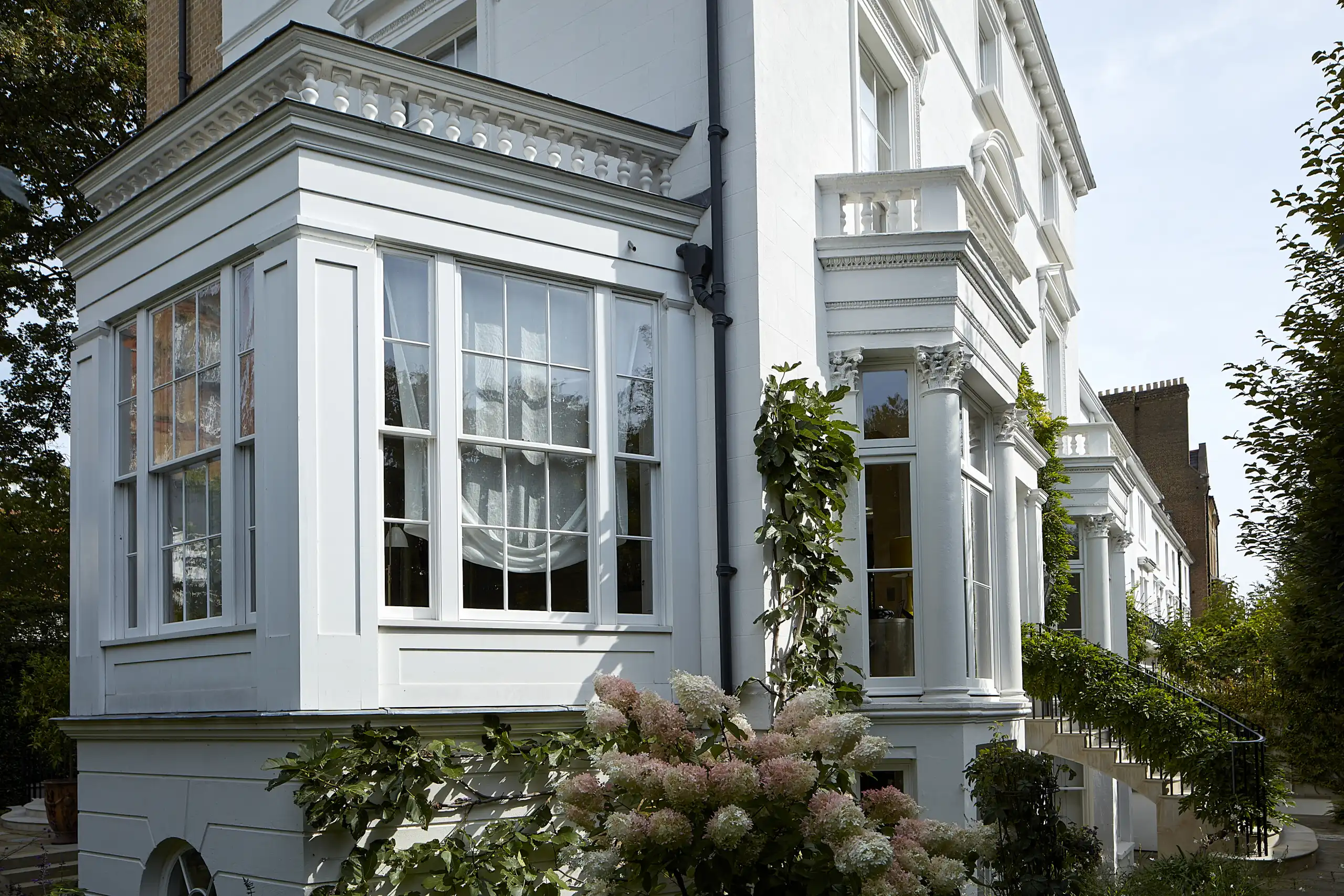
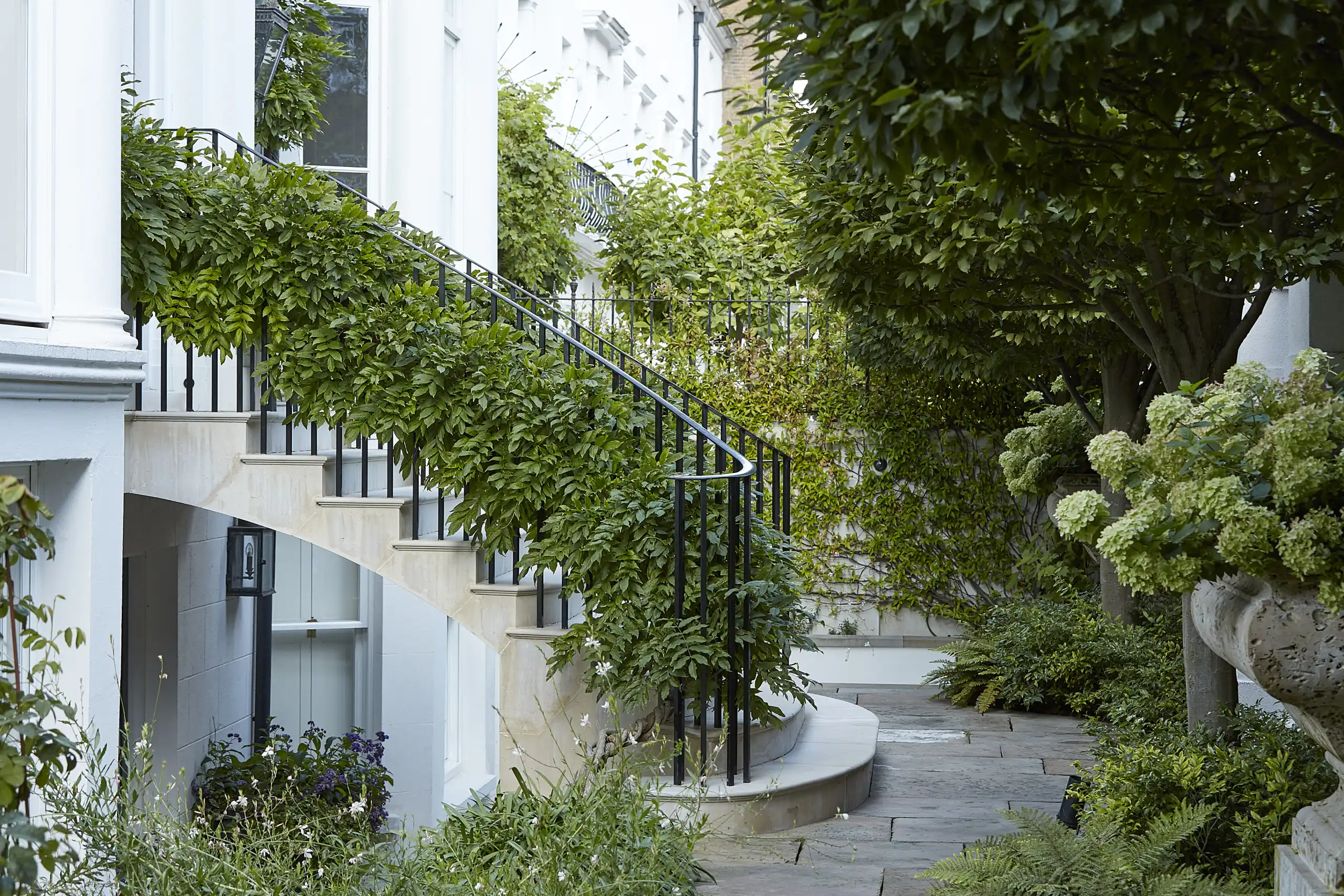
That understanding is the basis of every project he undertakes.Equally important is the fact that Price rejects simplistic interpretations of traditional design.
“It doesn’t mean you have to copy.”
Instead, he sees it as historical architecture providing lessons. A framework and a starting point.
“I learn what’s worked in the past. Then I think about how to take that forward into the future.”
This approach allows him to create modern buildings that feel rooted in place. And it’s one of the reasons that many of his new-build projects possess a timeless quality. They feel familiar, although they are newly constructed.
The Building as the Client
Perhaps no statement better encapsulates Price’s philosophy than his observation that historic buildings should be treated as a principal in the design process.
“If I’m brave enough, I’ll say to clients that the building is also the client.”
Although the remark is partly humorous, he is entirely serious.
“I try and understand the spirit and the soul of the house. What are the most important parts of the house that contribute to its spirit? Can those elements be retained? That’s where I begin. Before we start talking about layouts or interventions, I want to understand what makes that building special. What are the qualities that people respond to emotionally? What gives it character? Once you’ve identified those things, you can make much better decisions about how to restore and adapt it. The best solutions often come from understanding those constraints rather than fighting against them. The building will let me know what it can and can’t do.”
When approaching a historic property, Price begins not with floor plans or construction details but with questions about significance. Only after answering those questions does he begin considering design. This process requires understanding not only the physical fabric of a building but also its history, character, and emotional resonance.
Restoring the Next Chapter
One of the challenges facing Britain’s historic buildings today is that many are reaching a critical point in their lifecycle.
“We’re finding that a lot of these listed buildings all need a complete reservicing. For decades, owners often made small, incremental updates. But now many systems are reaching the end of their useful life simultaneously.”
These reservicings take many elements of both design and utility into consideration. Electrical infrastructure, heating systems, plumbing, fire protection, and ventilation all require attention.The challenge is introducing modern functionality without compromising historical significance.
That balancing act sits at the heart of Price’s work. He starts by asking the most practical of questions. “What actually needs to be fully replaced?”
“The answer is rarely straightforward. Every intervention involves trade-offs, and every decision requires careful consideration. And every stakeholder, from clients and conservation officers to historians and contractors, brings different priorities to the table. You’ve got lots of moving parts. This is why these are complicated buildings and projects to work on.”
The Manor House That Defined a Career
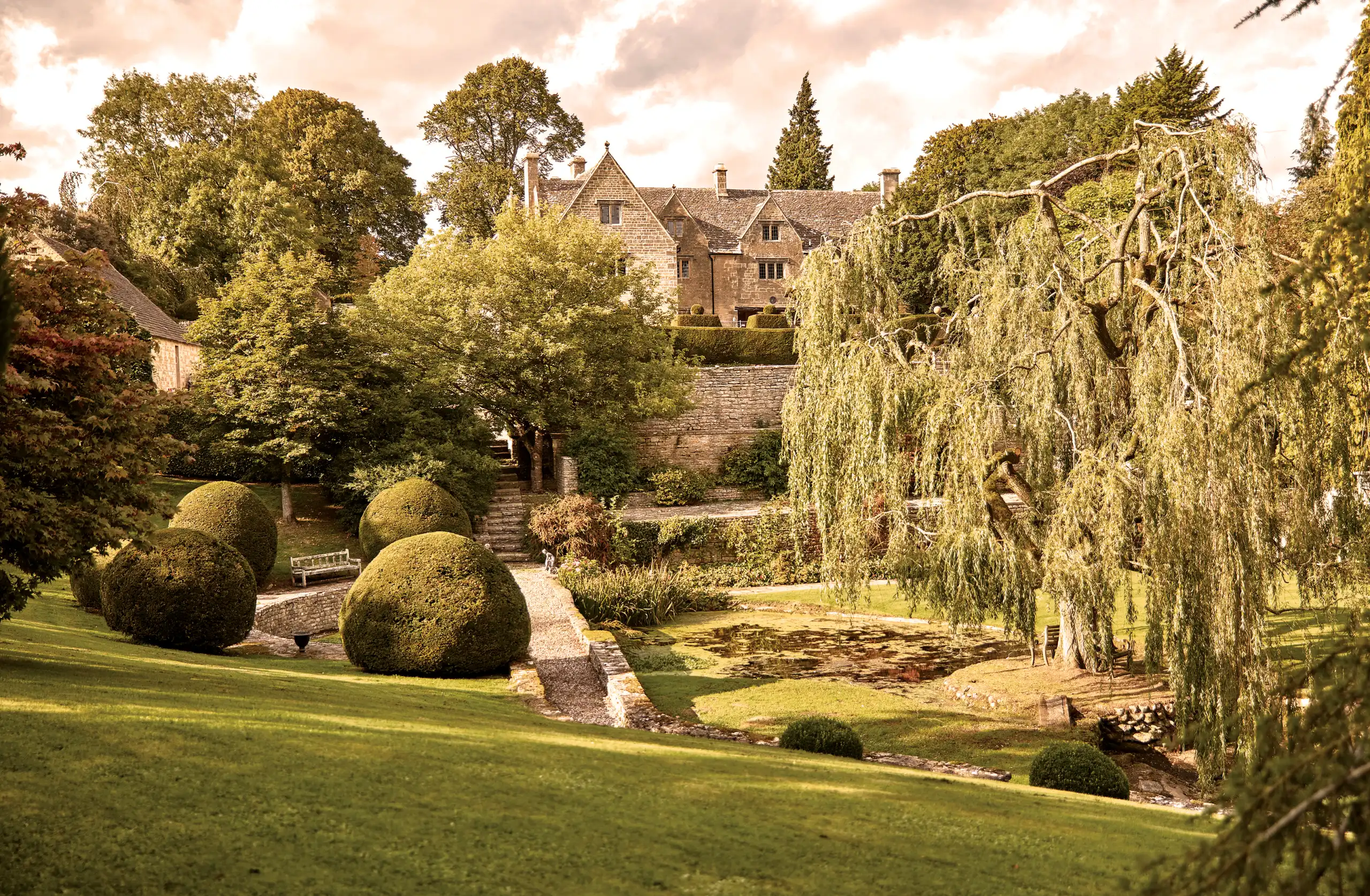
Among the projects that best illustrate Price’s approach is a six-year restoration of a manor house in the Cotswolds. The project involved converting a private residence into a retreat for a foundation promoting the arts and sciences. The challenge was considerable as the building needed to function like a contemporary institution while retaining the atmosphere of a private country house.
“Technically, it was very complicated,” Price says. “We were trying to balance a huge number of competing demands. The building needed to operate as a contemporary retreat with all of the life-safety systems and infrastructure that requires, but it also needed to retain the atmosphere and intimacy of a private house. Achieving both at the same time was an enormous challenge.”
This included incorporating modern fire regulations, life-safety systems, accessibility requirements, and building services. All had to be integrated into a historic structure without compromising its character. Yet the greatest success of this project often goes unnoticed.
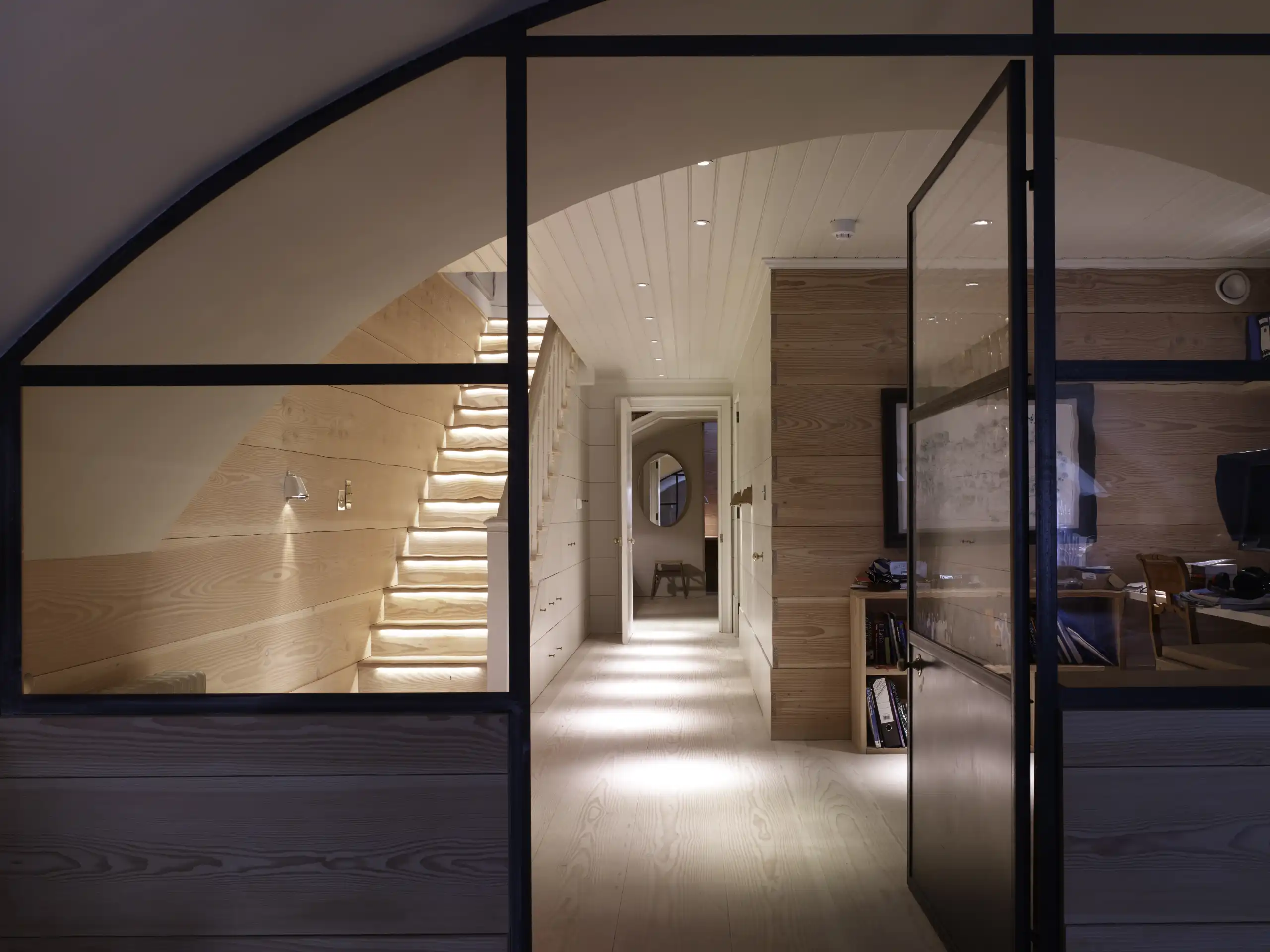
“You walk in and it actually feels like a private house still. That outcome represents the highest compliment. The architecture works. The building functions, and its spirit remains intact.”
Years after completing the project, he returned as a guest.
“It was actually quite emotional. For six years I had studied every detail of the property. There wasn’t anything I didn’t know about that house. Seeing it inhabited and thriving reinforced a lesson I frequently share with my clients. Buildings outlive architects. They outlive owners. Buildings continue on.”
Designing for Four Hundred Years
While Price is known for conservation, he is equally passionate about designing entirely new buildings. The difference is that he approaches them with the same mindset. Longevity comes first.
“You start to understand your place in the journey of the building. Long after we have gone and there are new generations ahead, the building will still be there. People will continue to use it, live in it, and create memories within it. We’ll be known for what we did, and that creates a real sense of responsibility. It reminds you that architecture isn’t just about solving today’s problems. It’s about caring for something that will outlast all of us. I want our new buildings to be there for a long time.”
For how long? He responds 400 years. This isn’t hyperbole. It’s his design objective.
“Hopefully it’s going to be there for 400 years. That’s genuinely how we think about these projects. We’re not designing something for fifty years and then expecting it to be replaced. We’re thinking about stewardship, adaptability and legacy. How will this building function in one hundred years? Two hundred years? What changes might future generations need to make? Those questions become part of the design process from the very beginning.”
Price points to Georgian townhouses as examples of successful long-term design. Over centuries, these buildings have accommodated changing lifestyles, technologies, and uses.
“They can be a surgery, a museum, offices, or a house without adapting too much.”
For him, that flexibility represents true sustainability and endurance.
Technology, Simplicity, and the Search for Calm
As homes become increasingly automated, Price has noticed an interesting shift among clients. People are becoming less interested in complexity.
“There was a moment in time when we were putting in complicated lighting systems. Now we’re finding clients just want to switch on and off. The trend reflects something deeper.Many homeowners are seeking refuge from technology rather than greater integration with it.”
Price asks yet another simple question.
“What if the Wi-Fi goes?”
The question may sound trivial, but it points toward a broader cultural conversation. Technology should support life. Not dominate it. As a result, Price increasingly discusses concepts such as “calm space,” “slow space,” and “quiet space.”
“I talk to clients about calm space, slow space and quiet space. We’re living in an age where everybody is connected all the time. We’re constantly moving between emails, phones, meetings and social media. Home should offer something different. It should provide opportunities to pause, reflect and reconnect with yourself. Those moments have become incredibly valuable.”
These ideas have become central to his design philosophy.
Some of Price’s favorite architectural moments are not grand rooms, but rather transitional spaces.
“Getting those moments of pause into the spatial sequence of a house has become really important. Sometimes they’re not the grand rooms. They’re the spaces in between. A window seat. A small gallery. A corner where the light falls beautifully at a certain time of day. Those are often the places people remember most because they’re where life actually happens.”
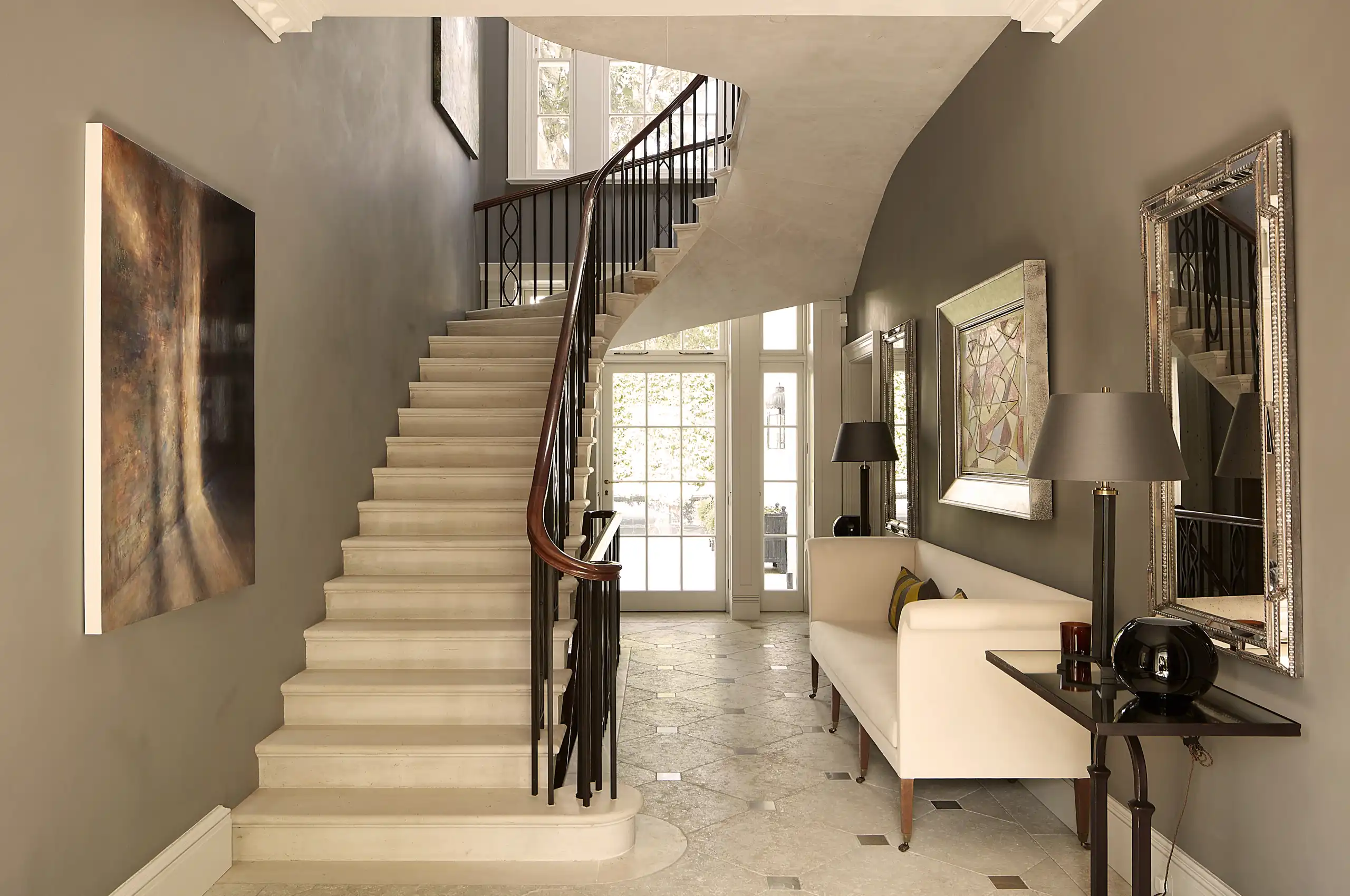
In a culture increasingly defined by speed and stimulation, Price believes those spaces have become more valuable than ever.
“We all have some basic needs. Quiet is one of those needs.”
Building Bridges Across the Atlantic
As Price’s work gains more attention across the Atlantic, he has developed growing connections with American architects, designers, and clients. He sees significant opportunities for collaboration.
“I think there’s a lot to be learned back and forth over the water. Britain has a long history of conservation and working with historic buildings, while America is producing some extraordinary new classical and traditional architecture. There are shared values around craftsmanship, collaboration and placemaking. The conversation works both ways, and that’s what makes it exciting.”
Many of the preservation challenges Britain has confronted for decades are beginning to emerge more prominently in the United States. Whether the properties are historic townhouses, brownstones, country estates, or landmark properties questions of adaptation and conservation are becoming increasingly important.
At the same time, Price sees exciting developments in contemporary classical architecture throughout America.particularly along the East Coast.
“There are some wonderful classical buildings being produced.”
What excites him most is the exchange of ideas. It is about collaboration.
“I’ve found America incredibly welcoming. There’s a huge amount of generosity.”
Price speaks enthusiastically about relationships formed through speaking engagements, professional organizations, designers, builders, and clients.
“Whether a project is in England, New England, Virginia, the Carolinas, or elsewhere, the questions remain remarkably similar. How do you create a building that belongs to its place? How do you build something that future generations will value rather than replace?”
That openness in collaboration mirrors his own philosophy. As architecture, he believes, is strongest when it becomes a collaborative effort between architects, interior designers, landscape architects, craftspeople, historians, and clients. Each contributes something valuable.
“My role is often less about authorship and more about orchestration. I don’t see the house in isolation. I see the building, the gardens, the wider landscape, and the journey through them as a single composition.”
He adds, “Architecture doesn’t stop at the exterior walls. The experience of a building is completed through its interiors. The way rooms unfold, the materials people touch, the quality of light, the relationship between furniture and architecture—these are all part of the same story.”
Looking Forward
As conversations around sustainability, heritage, and regional identity continue to evolve, Price believes architecture is entering a new phase. The old divisions between traditional and modern design feel increasingly irrelevant.
“I like to think there’s good design and bad design. There’s good traditional and bad traditional. Good modern and bad modern.The distinction is not style. It is quality and thoughtfulness and authenticity.”
And ultimately, our human experience of that design.
In an era defined by rapid change, Price’s work suggests that architecture’s next chapter may depend less on reinventing the built environment than on returning to an understanding of what has allowed great buildings, spaces and places to endure.