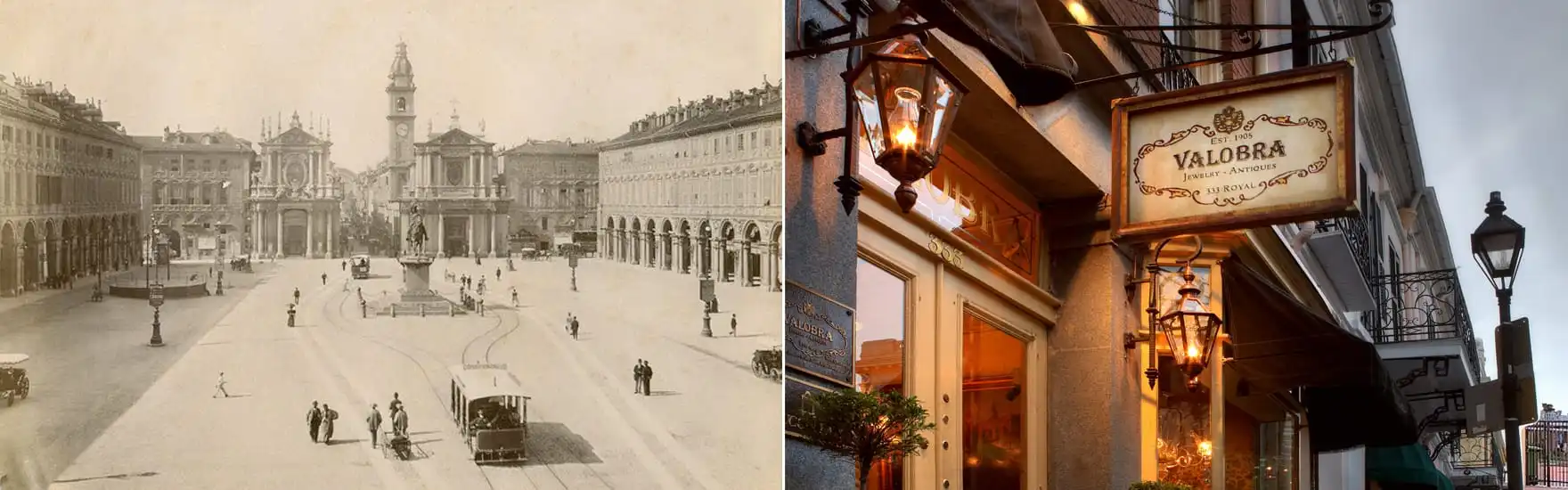
New Orleans is a city of extremes. It is a place of sensory overload and gentile southern traditions. Here, visitors oscillate between purification and indulgence, restraint and abandon, within the same cityscape.
Detox
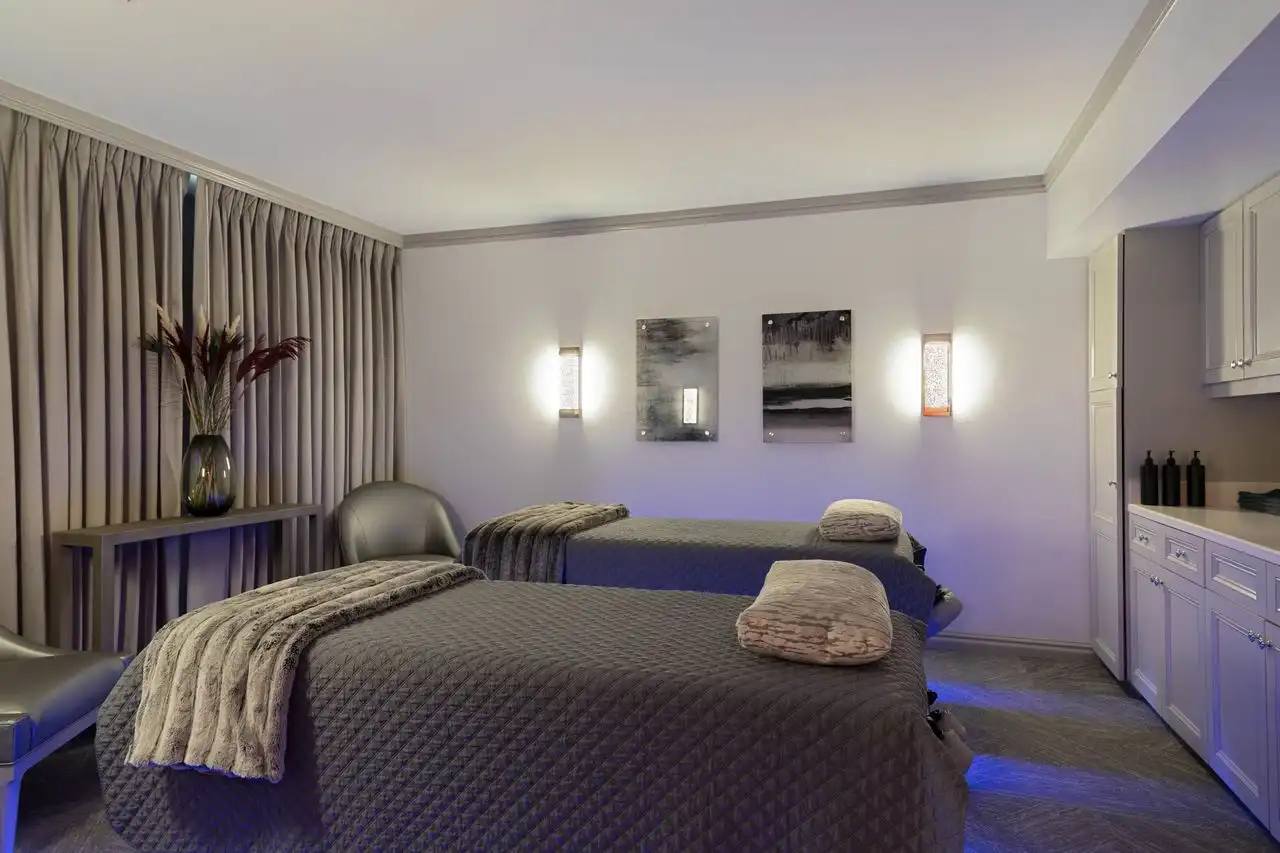
For those seeking detox, New Orleans offers a quieter layer of restoration rather than excess. A growing number of boutique hotels and spas, private wellness clubs, and design-forward retreats combine contemporary recovery practices with the city’s slower, more atmospheric side.
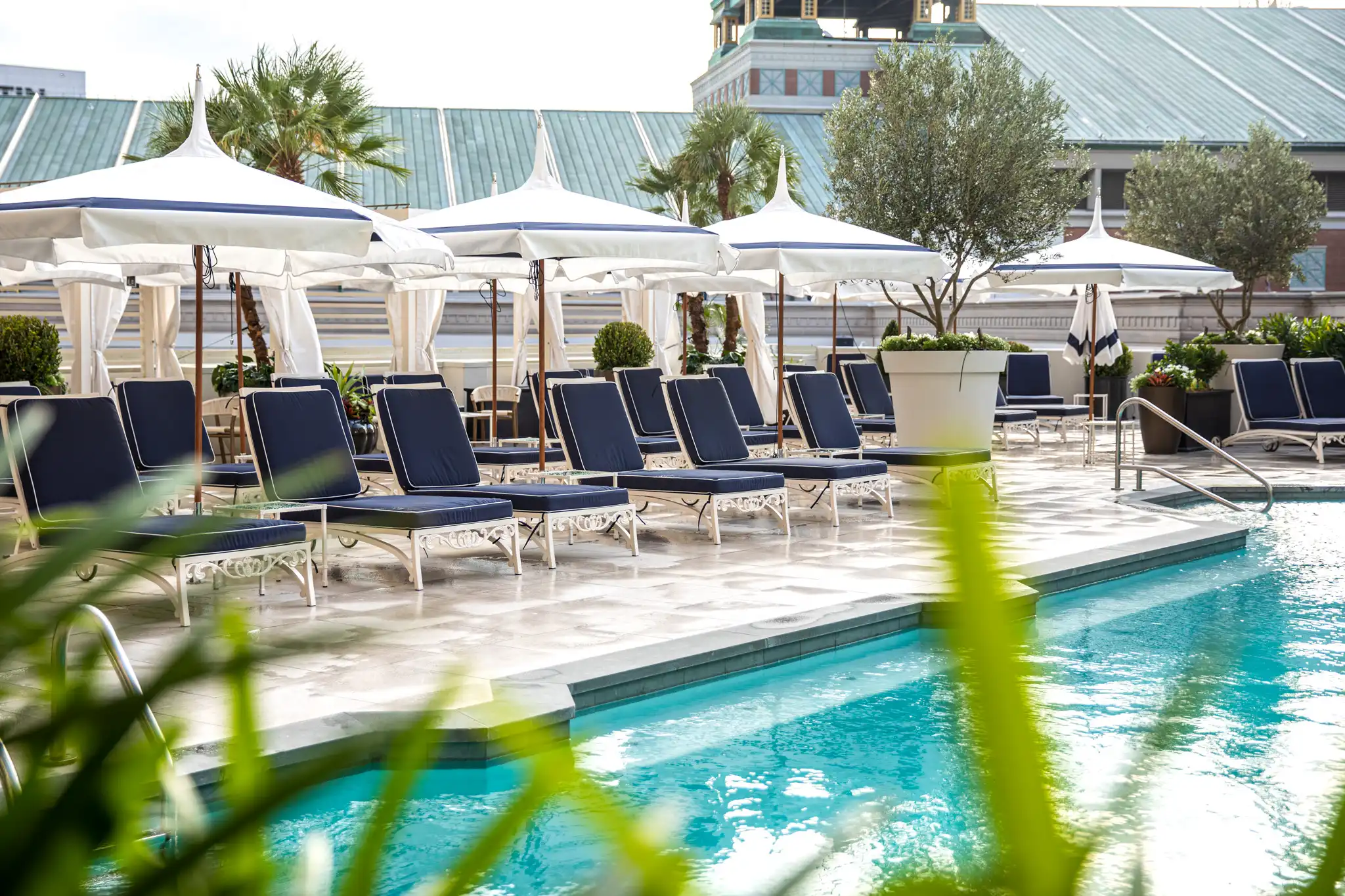
For those not interested in the city’s nightlife, Maison de la Luz, in the city’s warehouse district, is a great example. It is quiet, has a residential feeling, and is intentionally low-key. It leans more towards“soft luxury decompression” than party hotel, and guests often pair that vibe with spa days or in-room recovery routines. Meanwhile, The Windsor Court is one of the most established luxury wellness experiences in the city. Their spa is a major draw with its offerings of massage therapy, hydro-style relaxation, and a “reset button” feel compared to the rest of the French Quarter energy.
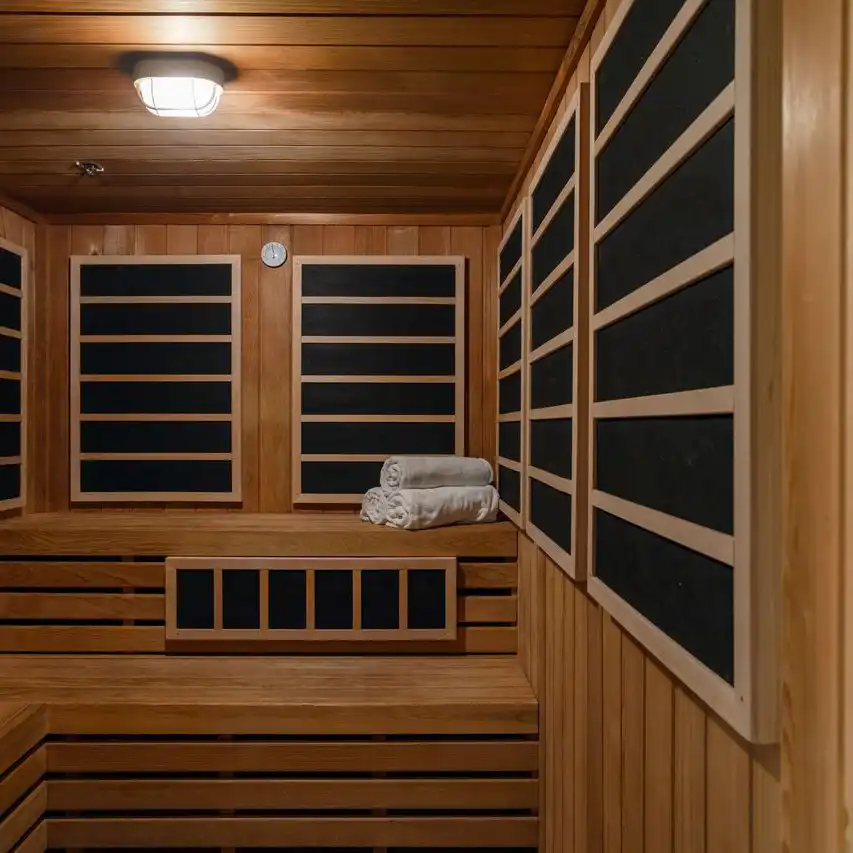
Interested not just in spa treatments but a deeper wellness and detox experience? New Orleans has an active wellness circuit. Think infrared saunas, cold-plunge circuits, cryotherapy chambers, IV therapy, and floatation tanks that are integrated into spa programs throughout the city.
Restore Hyper Wellness, NOLA Chill, and Spyre Center are three different but overlapping approaches to modern recovery and wellness. Restore Hyper Wellness is a national, clinical-style chain offering structured biohacking services like cryotherapy, infrared sauna, IV therapy, and compression. And then there is NOLA Chill, which is a smaller Uptown boutique studio focused on fast, targeted recovery sessions such as cryotherapy and infrared sauna for everyday stress relief. But it is the Spyre Center that is the most “integrated wellness club” of the three, combining movement classes, infrared sauna, contrast therapy (hot/cold plunges), and recovery amenities in a more social, spa-like environment that blends fitness, relaxation, and nervous-system reset into one wellness experience.
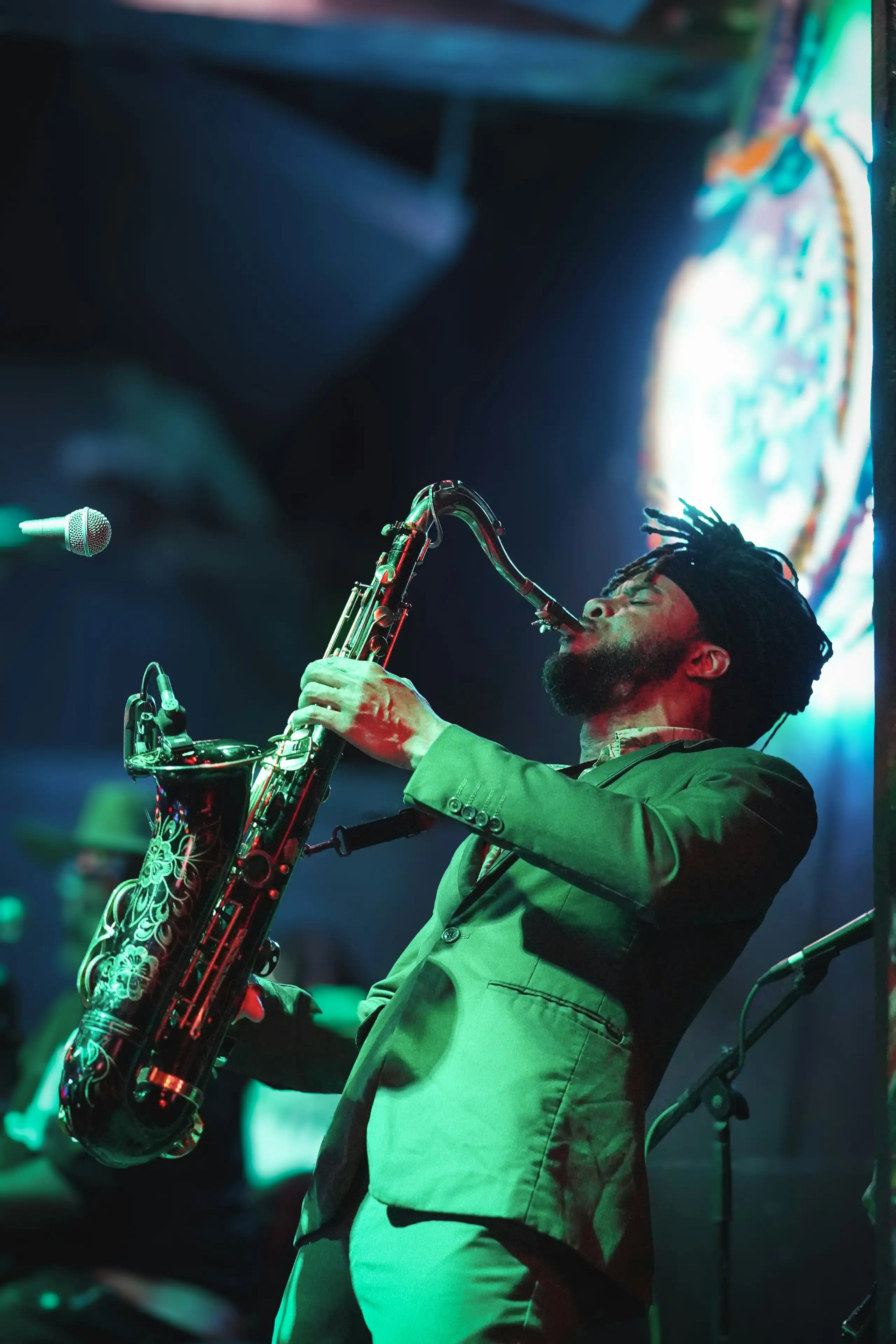
But wellness isn’t only about centers. The city itself can be experienced through a restorative lens. Private guided walks through the Garden District or Audubon Park focus on architecture, history, and atmosphere rather than crowds and nightlife. Slow bike rides beneath oak canopies and evening jazz performances in intimate clubs or at Preservation Hall provide restoration. For luxury travelers, detoxing in New Orleans is about recalibrating within a city known for its intensity.
New Orleans isn’t generally thought of as a wellness city for obvious reasons. But imagine beginning your morning with guided breathwork or yoga in hidden courtyards in the French Quarter. Then taking a slow stroll through the Garden District before heading to the spa or a wellness center to detox and relax. Finally, ending the day by optimizing sleep at one of the quieter luxury hotels the city has to offer.
Indulgence
But, of course, New Orleans has another face. The one that everyone knows. That is one of unapologetic indulgence. In this city, gluttony is glorified. As one of the top Foodie cities in the United States, it is always on full display. Whether it’s grabbing a beignet at Café du Monde or reserving a table at Étoile, the denizens of this city live to eat.
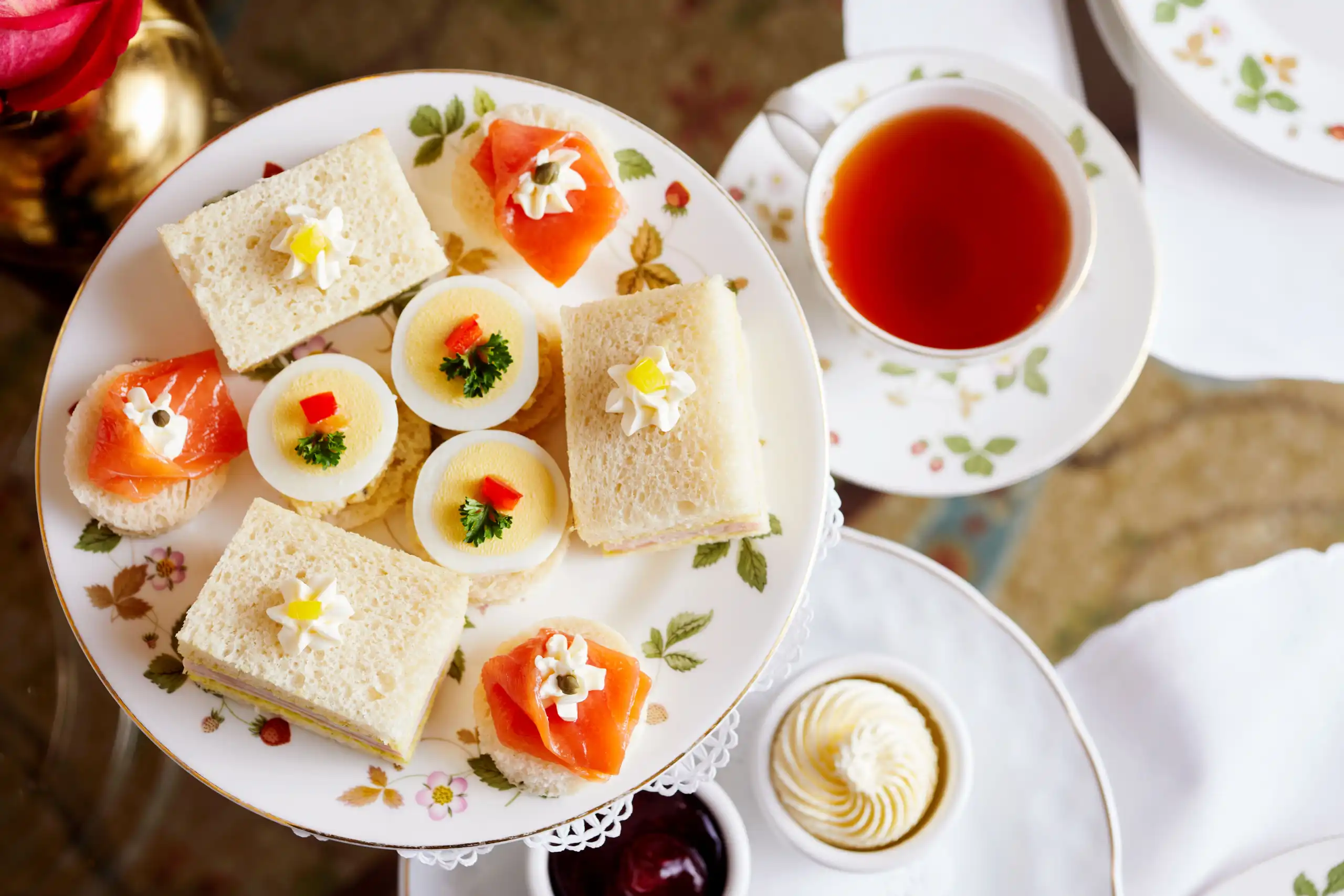
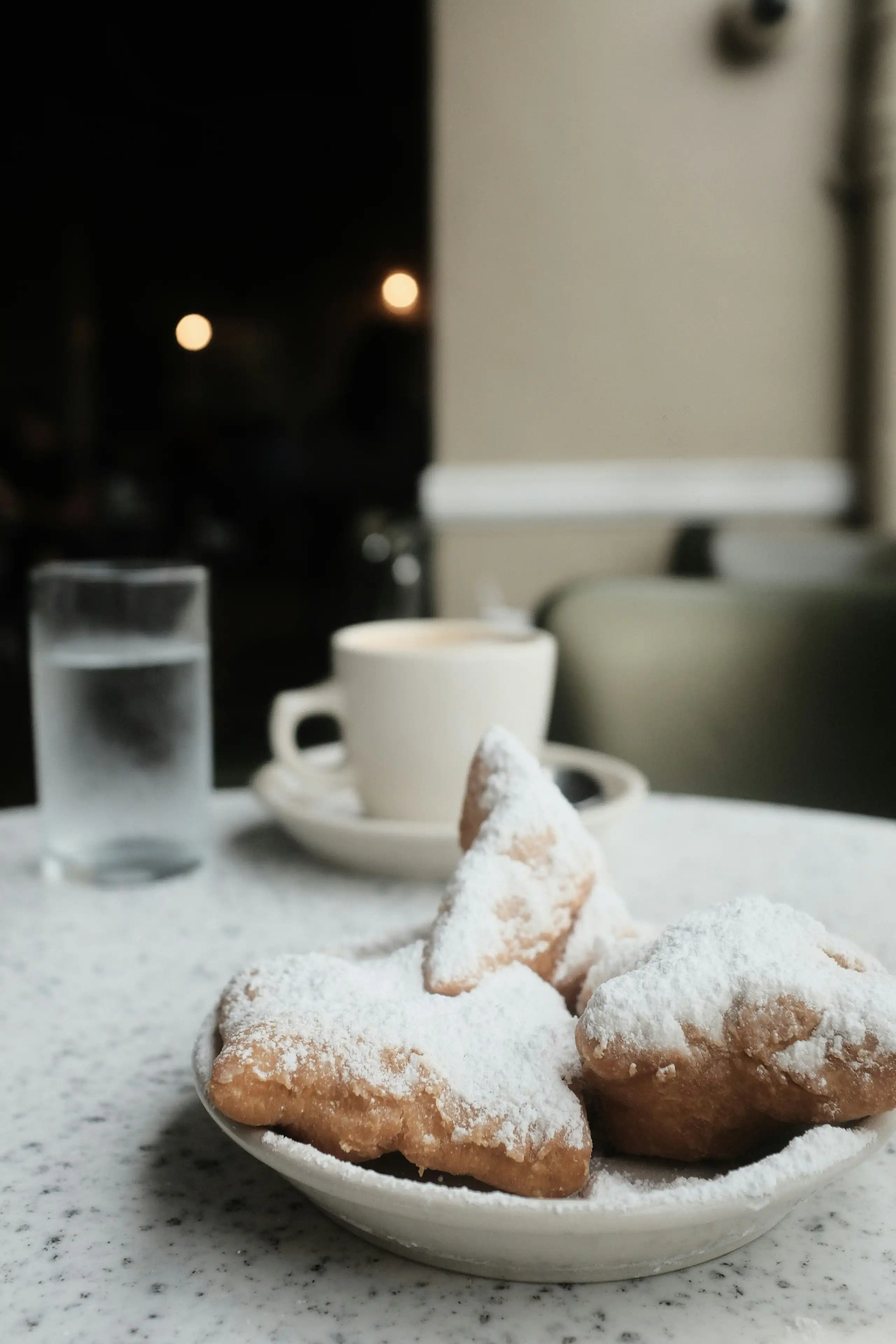
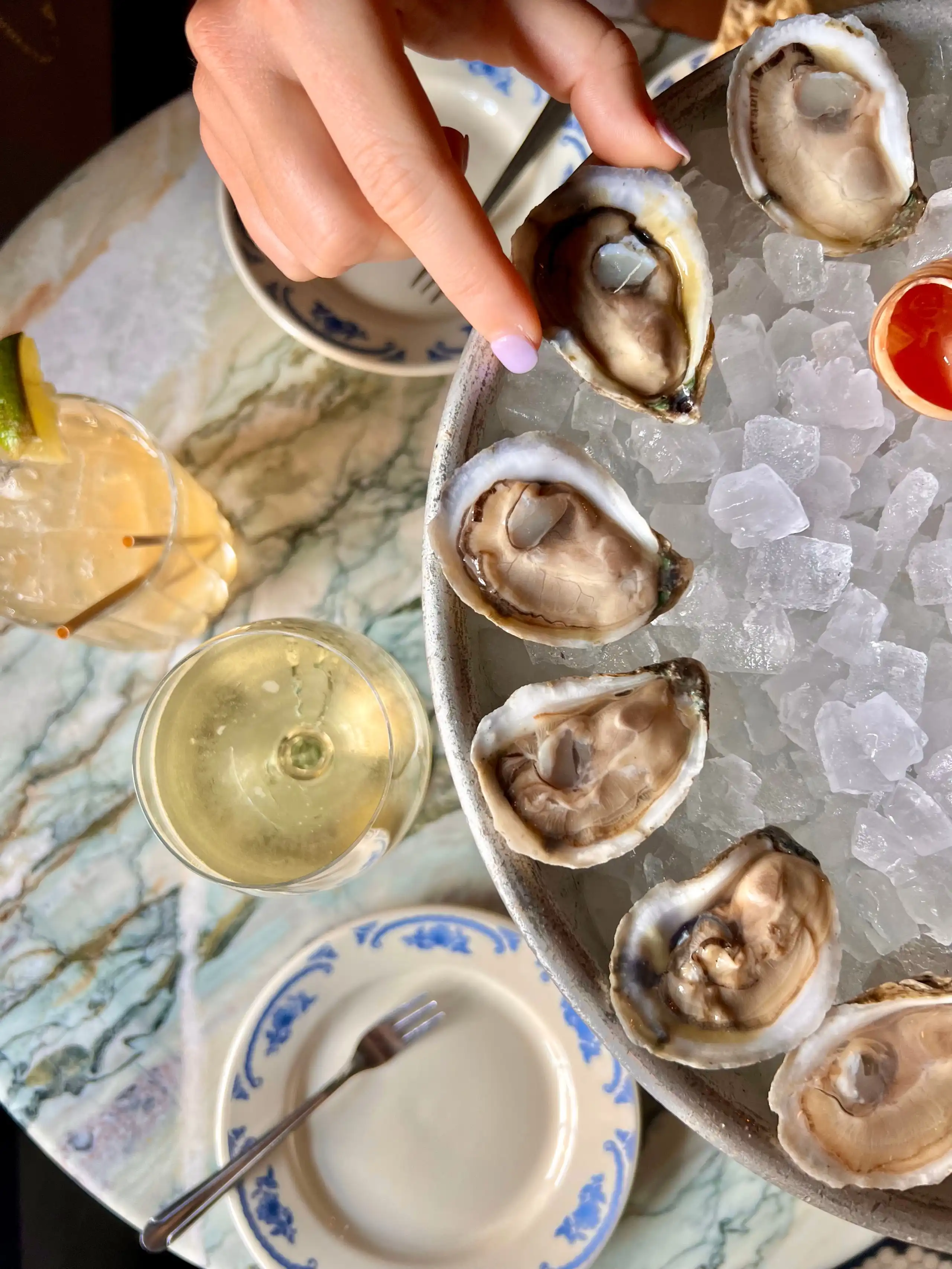
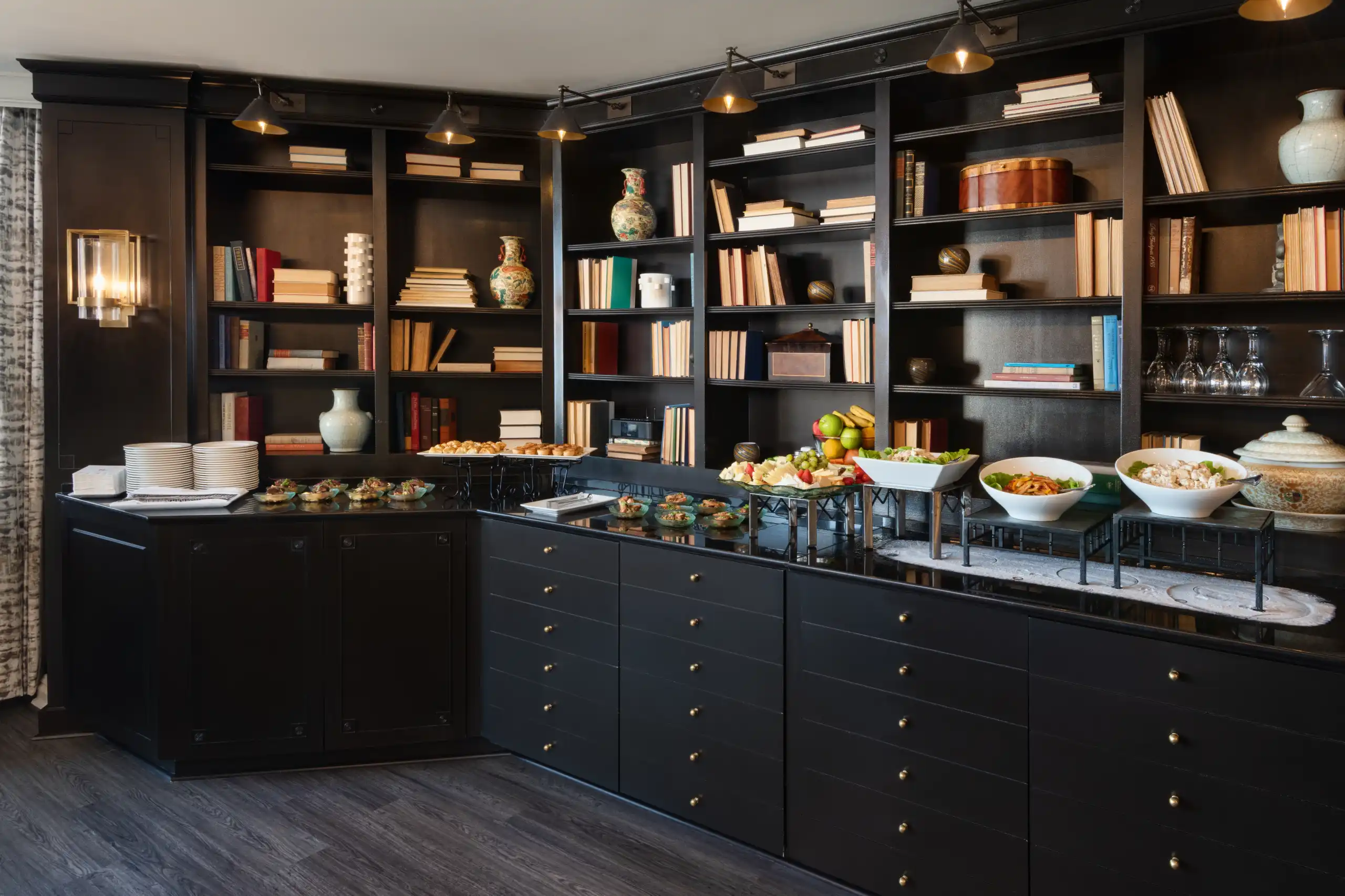
Luxury culinary experiences in New Orleans flow across some of the city’s most distinctive venues. For example, it can begin with a private courtyard crawfish boil at Hotel Peter and Paul in the Marigny. A chef-led event here turns Louisiana seafood into a slow, communal ritual. From there, it continues over to the Garden District and The Chloe, for a gumbo tasting experience, where French-Creole technique is presented as a progression of broths, roux styles, and Gulf seafood experiences (and, yes, they are experiences). If there is still room for more, New Orleans brings out its oyster and cocktail culture at Acme Oyster House, which is then wonderfully paired afterwards with a visit to The Sazerac Bar inside the historic Roosevelt. Finally, the evening is ended with a nightcap at the Four Seasons Hotel New Orleans, where cocktails are paired with views of the Mississippi River.
But it isn’t just Cajun and Bayou and Creole and French items of degustation on offer in the city. Not just bakeries and cafes and beignet joints either. Or the new modern style of New Orleans cooking. While all of those mentioned are incredibly good – oh, the etouffee, oh the alligator nuggets, oh the doberge cake – New Orleans has a broad international food landscape which has been shaped by port-city immigration, tourism, and modern chef migration.
You’ll find strong Vietnamese cuisine – especially in neighborhoods like New Orleans East and around the West Bank– with pho, vermicelli bowls, and banh mi reflecting one of the largest Vietnamese communities in the United States. There’s also a long-standing Italian-American influence, visible in red-sauce trattorias and neighborhood staples like the muffuletta-style sandwiches rooted in Sicilian immigration. Spanish and Caribbean influences show up in rice dishes, stews, and spice profiles that overlap naturally with local Creole cooking. And in recent years, Japanese omakase, Korean barbecue, and sushi-focused restaurants have expanded the fine-dining map, often led by chefs relocating from larger coastal cities. Middle Eastern, Indian, Lebanese and other modern Mediterranean spots … they are all found in chef-driven or fusion formats and sit alongside the classic French bistros that still echo the city’s colonial ties.
Then, there is the indulgence of alcohol in the city. But that we shall leave for another time. Just stay off Bourbon Street until we get there…