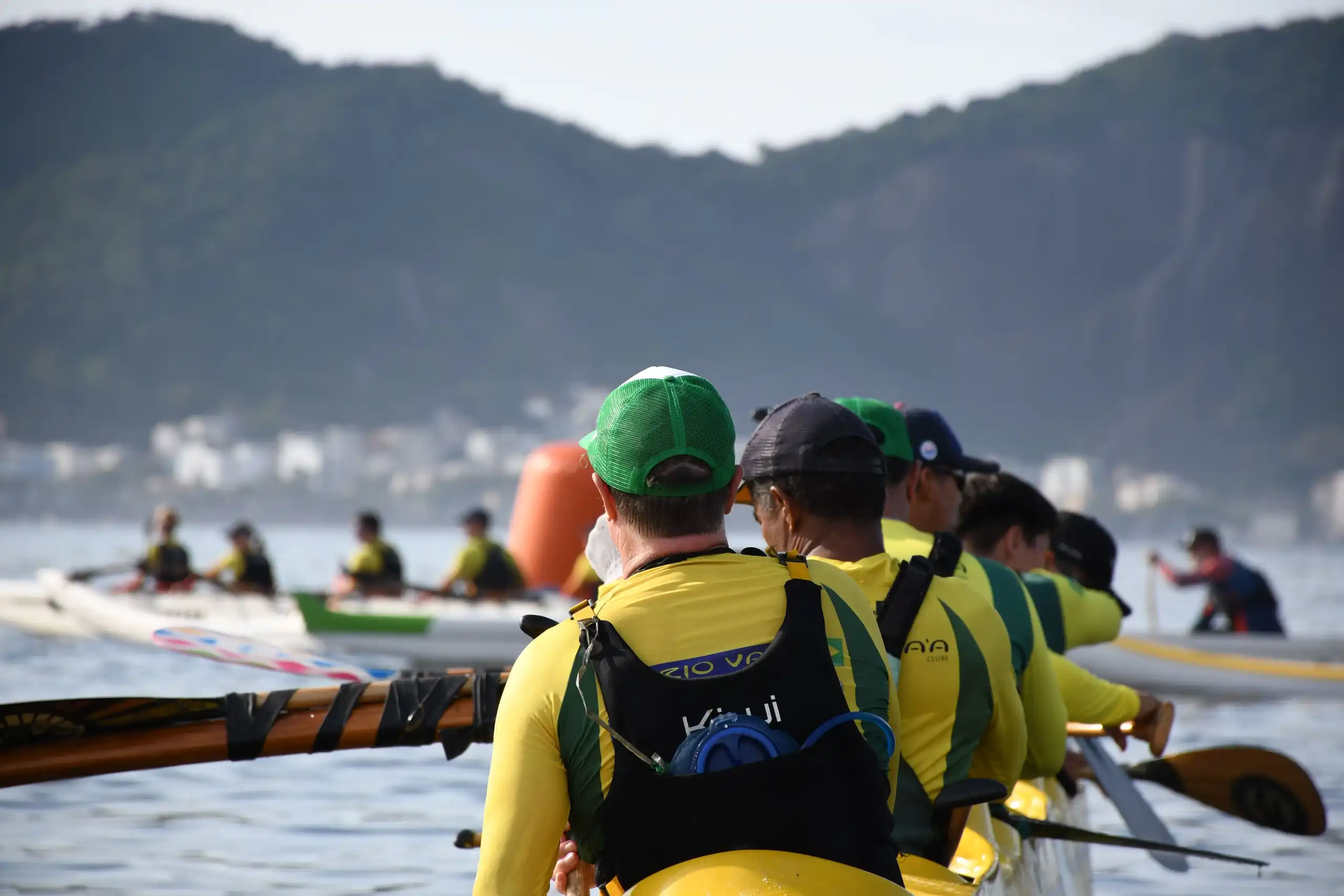
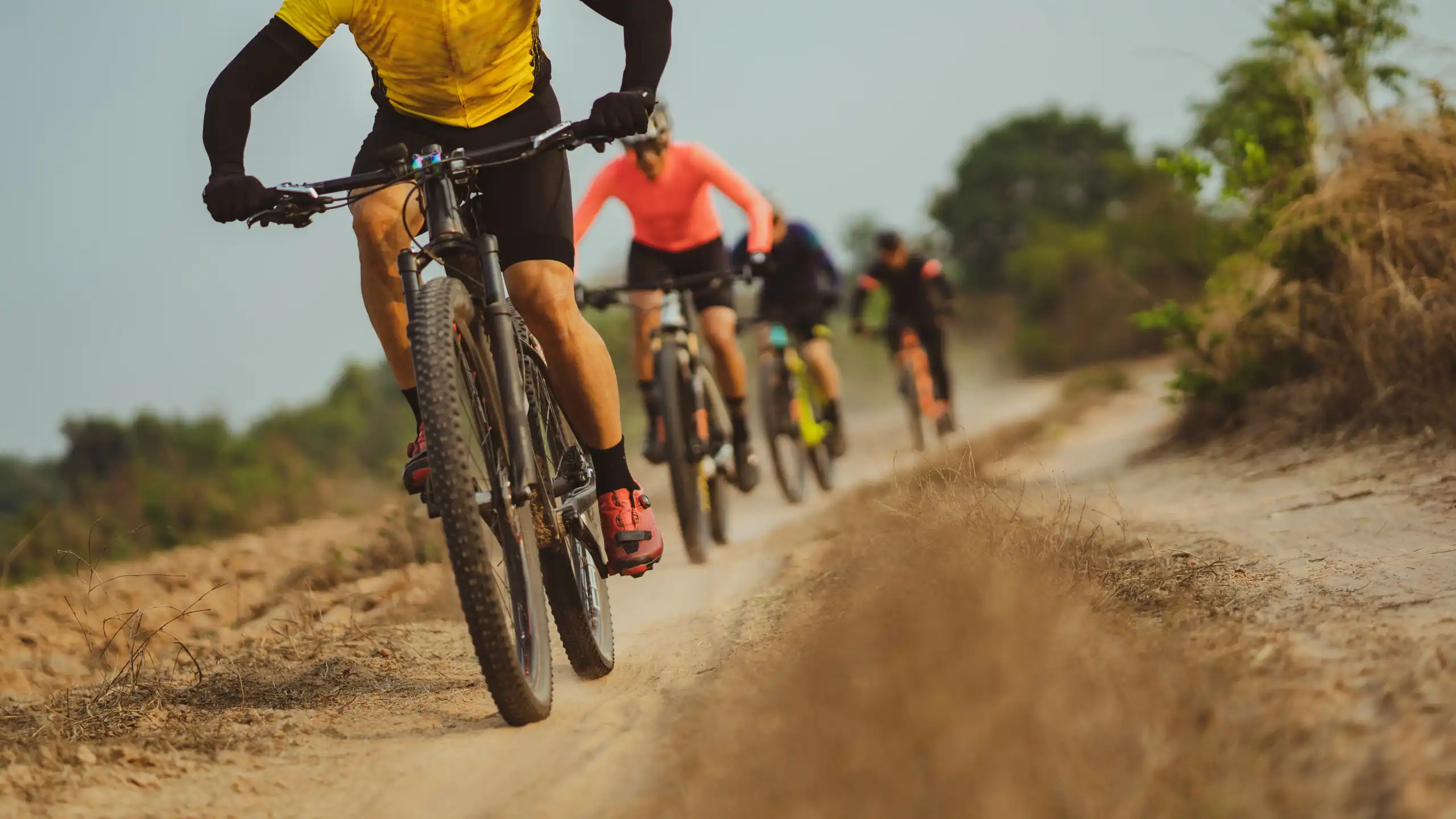
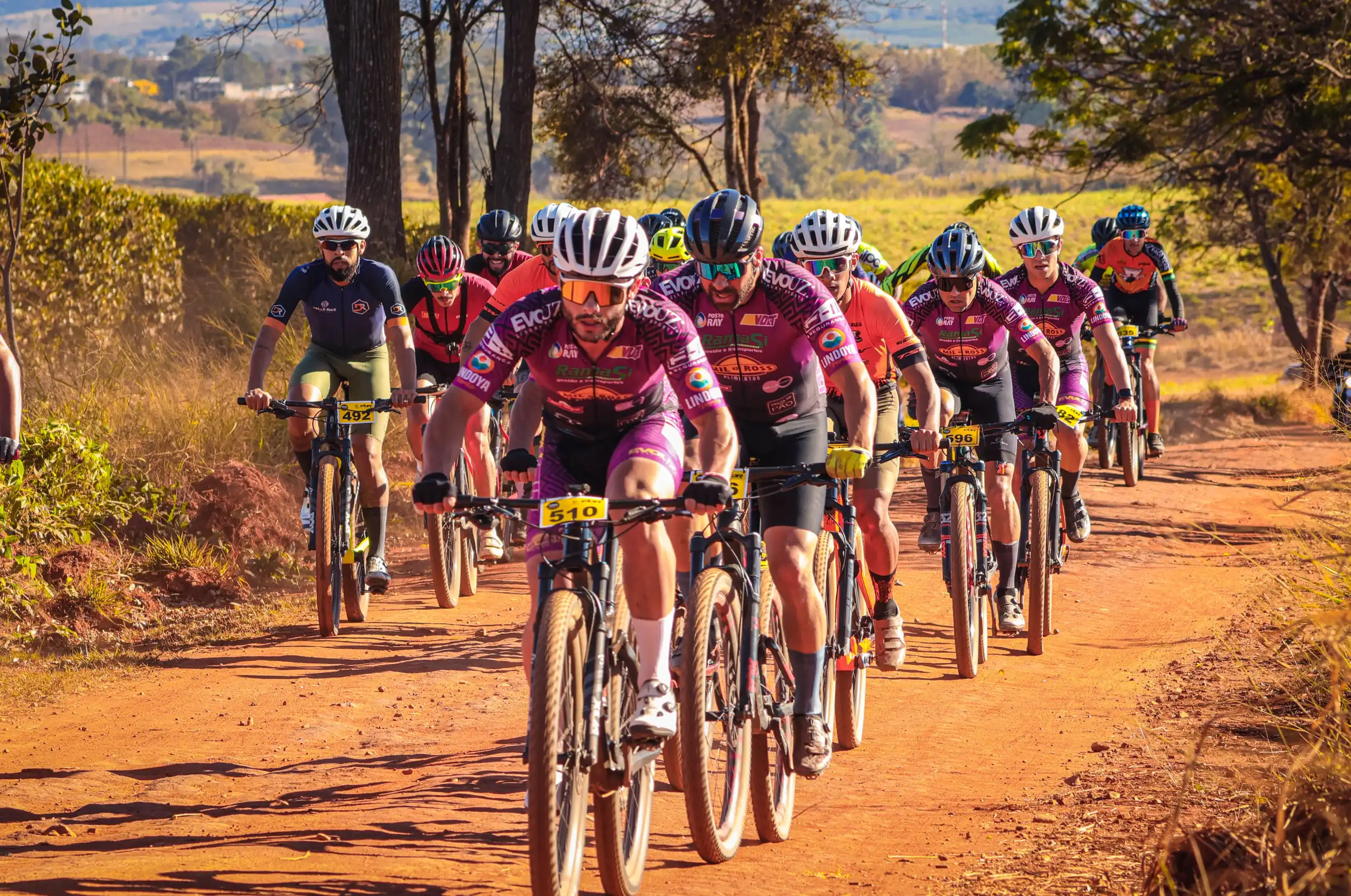
Adventure racing is all the rage right now. This multi-discipline endurance sport, which combines trekking, mountain biking, and paddling with zero outside support, is not for the weary. But navigating a long-distance course across wild and remote terrains is a once-in-a-lifetime experience. One of its defining features is that routes are usually unmarked. Instead of following a set trail, competitors must navigate using a map and compass.
Across remote regions such as the Himalayas, the Andes, and Ethiopia, high-end operators are designing courses that are multi-day or multi-week endurance journeys. Trails are mostly unmarked, but all are meant to pump adrenaline and push the body to its limits.

In the Himalayas, adventure racing is bound tightly to the demands of terrain and weather. Routes may travel through high-altitude passes above 13,000–16,000 feet, where oxygen levels are significantly reduced. Each section of the race forces the participant to negotiate between pace, breath, and exposure. Suspension bridges span deep river gorges sometimes hundreds of feet above fast-moving currents. These crossings introduce intense shifts in perception as the solidity of ground gives way to tension and sway. Sound is replaced by wind and echoing water.
Weather here is highly unstable and can shift in minutes from clear visibility to a full whiteout. In the morning, it may be sunny, but by the afternoon it can be cloudy which erases distance perception. Temperature drops can be abrupt, particularly when wind moves down from snowfields or across ridge lines. In these conditions, navigation becomes more about reading short windows of clarity and traveling with responsiveness to the landscape.
Likewise, in the high Andes of South America, trekking routes rise to elevations of 13,000–16,000 feet, particularly across passes in Peru and Bolivia. Here, the landscape shifts into a stark composition of rock, grasslands, and snowfields. Villages, when they appear, are sparse and self-contained, connected by paths that follow old trade and herding routes rather than modern planning. Wind is a defining presence, occasionally intensifying as it funnels through passes or drops. At times, it’s difficult to find shelter.
Other popular treks find participants in the Ethiopian Highlands, particularly in remote sections of the Simien and Bale ranges, where travel can reach elevations of 11,000–14,000 feet. This terrain is defined less by extreme altitude and more by dramatic verticals with its deep escarpments, basalt cliffs, and expansive high plateaus. Paths traverse open grasslands where wildlife moves about and evenings bring rapid temperature drops. Cloud systems that often settle beneath ridge lines, create the impression of walking above the weather itself.
What defines this new generation of adventure is not just geography; it’s the modern luxury and the scientific infrastructure that have been put in place. These journeys are supported by logistics systems that mirror elite expedition science. Private base camps are staged ahead of each segment with precision. Heated sleeping environments are designed for altitude adaptation, while recovery tents are equipped with physiotherapy and oxygen support. Chefs prepare altitude-calibrated nutrition plans, and wellness teams monitor hydration, exertion, and sleep cycles in real time. Satellite communication ensures constant connection to coordination hubs, while helicopter evacuation protocols and medical teams remain on standby across multiple stages.
Whether it’s the ridgelines in the Himalayas, the plateaus of the Andes, or the escarpments in the Ethiopian Highlands, adventure racing is designed to make extremes accessible with incredible scenery along the way.
Hubs for Adventure Racing
Himalayas
Nepal: Most Himalayan adventure racing is in Nepal, especially the Annapurna region, the
Everest / Khumbu region, the Langtang Valley, and Mustang (dry, desert-like high Himalaya).
India (northern Himalayas): Races are often held in Uttarakhand (Valley of Flowers, Nanda Devi
region), Himachal Pradesh (Spiti Valley, Manali, Kinnaur), Ladakh (extreme desert mountains,
very high altitude).
Pakistan (extreme terrain): Races here cover the Karakoram range (K2 region), Hunza
Valley and Baltoro Glacier approaches.
The Andes
Peru: One of the largest hubs, with races often taking place in Sacred Valley (Cusco region),
Cordillera Blanca (Huaraz), Ausangate massif, and high-altitude Inca trail networks.
Chile (Patagonia/volcano corridor): Here, key regions include the Araucanía region (volcanoes
like Villarrica), Northern Patagonia, the Lake District (Pucón, Puerto Varas), and the Southern
Patagonia wilderness.
Argentina (Patagonian Andes): In Argentina, races are mainly in Patagonia (Chubut, Santa
Cruz), the Mendoza Andes foothills, and the Lake District (Bariloche region).
Ecuador: Here races are found in the Cotopaxi region (active volcano zones), the High Andes
around Quito, and the volcanic corridors and páramo ecosystems.
Bolivia: Participants take on the Altiplano plateau, the Cordillera Real near La Paz, and the Salar
de Uyuni edge routes (sometimes used in expedition events).
Ethiopia
Ethiopian Highlands (main adventure racing zone): Most events and expedition-style races
happen in the Ethiopian Highlands, especially around the Simien Mountains (northwest
Ethiopia), Bale Mountains (southeast highlands), and the Addis Ababa highland outskirts
(training / shorter races).
Simien Mountains (most iconic terrain): This is the most dramatic race environment in Ethiopia
with its razor-edge ridgelines and cliffs, deep valleys dropping thousands of meters, and high
chance of altitude exposure and weather shifts.
The Bale Range: The Bale Range is another key area for racing,with its dense Afro-alpine plateau
Moorlands and volcanic terrain.