Completed in 2014, a groundbreaking office building in Amsterdam has been hailed as the “greenest building in the world.” With its cutting-edge design, energy efficiency, and innovative use of technology, this building has set a new standard for modern urban development, blending sustainability with smart architecture.
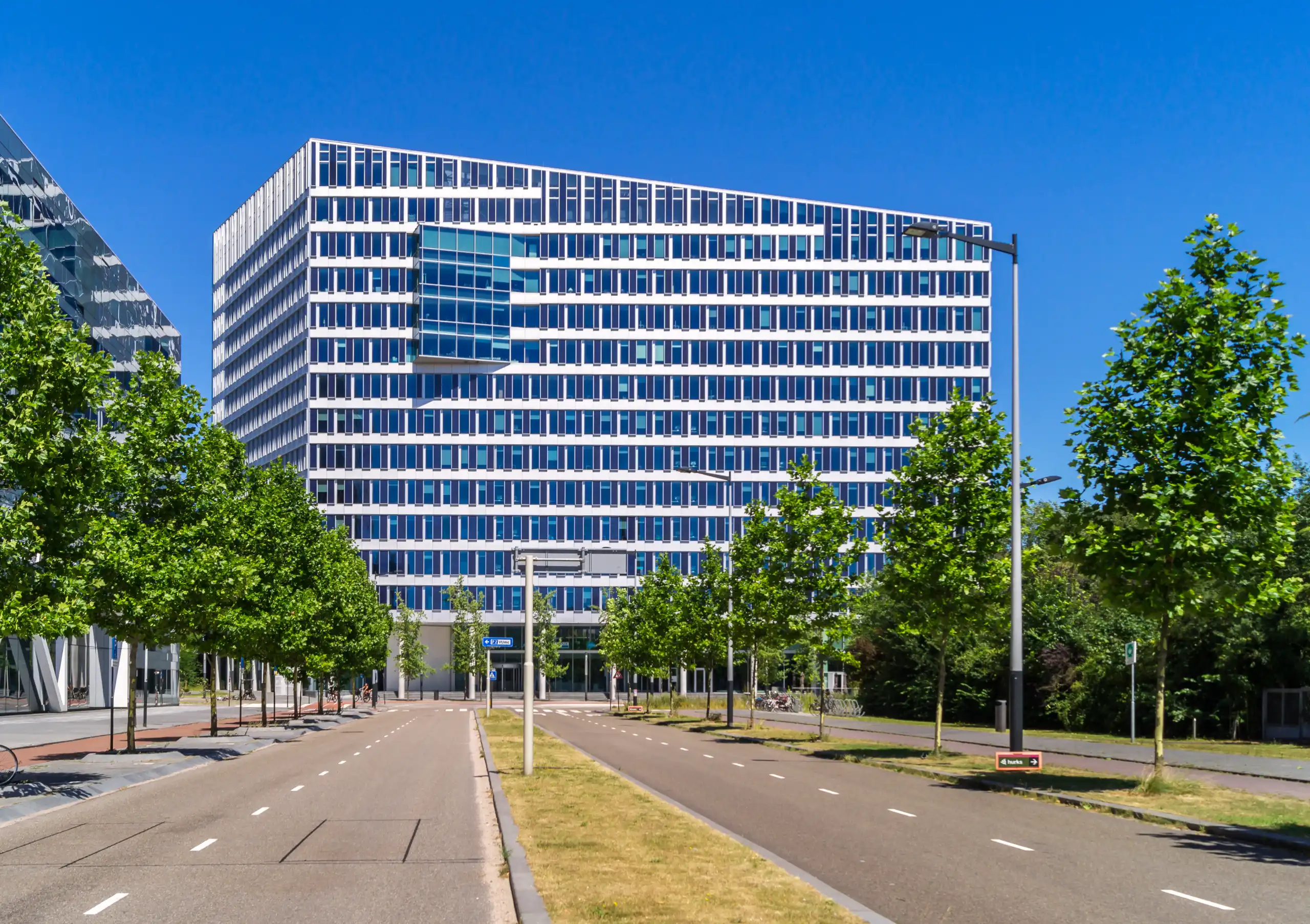
At first glance, the building’s sleek, contemporary design might appear typical of today’s office skyscrapers. However, its true innovation lies beneath the surface. As a model of smart architecture, it adapts to its environment and its occupants, making it a highly intelligent hub for modern workspaces. Its commitment to sustainability and energy efficiency has earned it recognition as one of the most eco-friendly buildings in the world.
The building’s energy efficiency is a standout feature. Solar panels cover much of the expansive roof, helping to generate a significant portion of its energy. These, along with other energy-saving systems, contribute to its self-sustaining energy consumption. Beyond its energy generation, The Edge’s design ensures optimal thermal comfort with minimal energy use. A smart building management system adjusts the lighting, heating, and cooling based on the needs of the occupants. Motion sensors and temperature-regulated spaces ensure energy is used only when necessary.
Perhaps its most innovative aspect is the ability to use data to enhance the user experience. Equipped with an advanced smart system, it manages everything from lighting to temperature and even desk location. Each employee has a personalized digital profile linked to a mobile app, tracking their preferences and activities. Upon arrival, the system adjusts their workstation to their ideal temperature, lighting, and desk position. The app also helps employees find meeting rooms, locate nearby colleagues, and even suggests optimal times for breaks based on office activity patterns.
This integration with Internet of Things (IoT) technology allows for seamless interactions with the space. Real-time occupancy sensors adjust the lighting based on the amount of natural light coming through the windows, optimizing energy use throughout the day.
Designed by PLP Architecture, The Edge balances aesthetic appeal with functionality. Its dynamic glass facade allows natural light to flood the interior, reducing the need for artificial lighting and enhancing the connection to the outside environment. The open-plan layout fosters collaboration, with flexible spaces that can be easily reconfigured to meet various needs. Green spaces and communal areas further support innovation, teamwork, and overall well-being.
Sustainable materials are central to the building’s design. Low-energy insulation, recycled materials, and eco-friendly construction methods ensure minimal environmental impact without compromising on functionality or design. The building also features advanced energy-efficient systems that have helped reduce its operational costs, positioning it as a sustainable model for future urban developments.
Not only does the building meet the BREEAM and LEED Platinum standards (the highest certifications for sustainability), it also sets new benchmarks for energy efficiency in office buildings. It consumes 70% less energy than comparable buildings of its size, thanks to its passive design and reliance on renewable energy sources. This efficiency has led to significant reductions in carbon emissions and operational costs, making it a prime example of how to reduce the environmental footprint of commercial spaces.
In addition to its environmental performance, the building enhances the well-being of its occupants. Biophilic design principles, which incorporate natural elements into the workspace, promote both mental and physical health. The building’s carefully calibrated air quality, abundant natural light, and green spaces contribute to a comfortable and healthy working environment.
The success of this building has had a ripple effect across the architectural and real estate industries. It has encouraged cities and companies around the world to rethink the possibilities of sustainable and smart building design. Its integration of advanced technologies and focus on occupant experience have redefined how commercial spaces are created, pushing the boundaries of what is possible in terms of energy efficiency and environmental impact.
As the demand for eco-friendly buildings continues to rise, this structure offers a glimpse into a future where sustainability, technology, and human-centered design come together. It represents a new era in architecture – one that is not only smarter but greener, more efficient, and more connected to the world around it.