In a world where everything is available at our fingertips, where borders have been blurred by instant communication and social interaction increasingly takes place online, the simple act of gathering in a room has taken on a new significance.
We have never had more access to ideas and arts. The Sistine Chapel can be seen through a virtual tour. Libraries can now fit in your pocket. Information can be shared around the world with the press of a button. We can follow artists, musicians, writers in real time, and see their work instantly. We have constant connection and access at any given time, but something has gone missing. The room.
The tradition of cultural salons is finding new relevance, but not necessarily in the same form as depicted in eighteenth-century painting, with aristocrats gathered in grand interiors and walls lined with gilded frames. The contemporary salon is less formal and less dependent on social status. A salon may be a dinner in a private apartment, a gathering of artists in a studio, or a reading in a book shop. What’s important about the modern salon is not where it’s held, even though the setting is still chosen with intention, but the people that it brings together, and the ideas that develop among them.
In seventeenth and eighteenth-century France, salons were a place for intellectual and social exchange, which led to new ideas, philosophies, and artistic movements. Hosts brought creatives from all different disciplines- writers, philosophers, artists, scientists, and political thinkers into their homes, where conversation became an art form in itself. These gatherings were intimate enough for discussion to flourish but influential enough to shape culture beyond the room.
Parisian salon culture was particularly significant during the Enlightenment. Guests did not come just to enjoy being surrounded by like-minded people, but to discuss, debate, and refine the elements of the current culture. The salon was a place for unfinished thought.
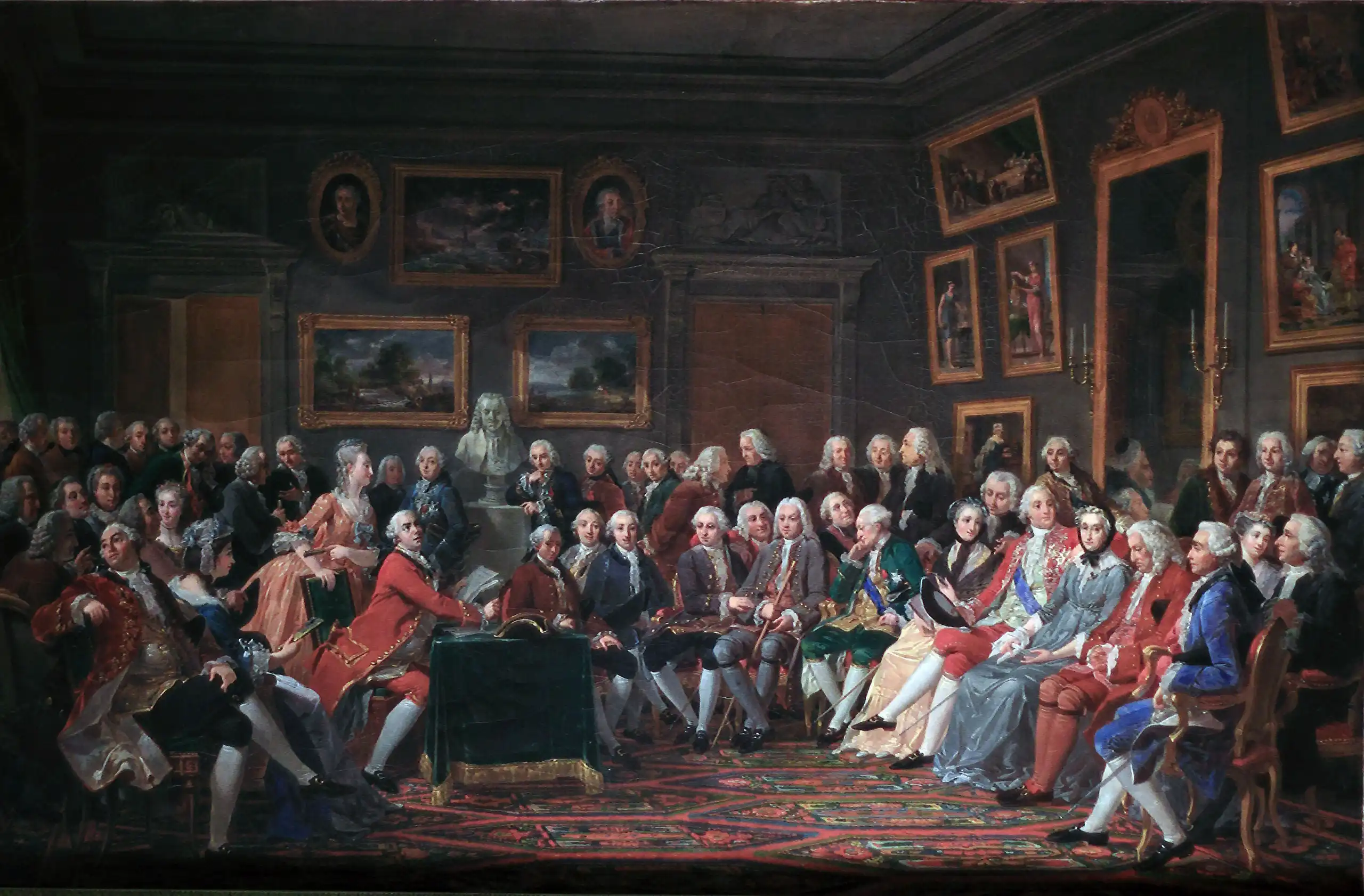
Today, culture is often presented to us in its finished form. We see the exhibition after it has been curated, the novel after it has been edited, the photo after it has been polished into a post. The messy, social process that precedes the finished object is largely invisible. In the past, the salon was where that process took place. That distinction matters.
Perhaps that’s why its revival feels particularly timely. For much of the twentieth century, cultural life has become increasingly institutional. Culture has been produced, evaluated, and distributed through universities, museums, publishing houses, large corporations, and mass media. These institutions continue to shape culture today, but the internet has dramatically increased who gets to participate in the conversation. The boundaries that separated creator and audience have become porous; cultural authority extends beyond traditional institutions to millions. The result is liberating, yet something is still lacking. When everything and anything is available, rarity is scarce. We have full access to culture and what shapes it, but we are also losing some of the friction that makes culture meaningful.
The salon fills that void.
Salons ask us to stop consuming and start participating. This revival is not simply nostalgic; it reflects a desire for proximity, conversation, and a curated atmosphere. In Paris, spaces that combine fashion, art, music, design, and social interactions have become increasingly popular.
During Paris Fashion Week, temporary pop-ups created spaces that became intersections for art, coffee, music, and food – a place designed for cultural exchange just as much as for consumption. Another contemporary parallel exists behind closed doors. Private salons are emerging in more intimate forms. They are invitation-only gatherings that bring together artists, designers, writers, collectors, and entrepreneurs for carefully curated evenings. Conversation is as much the occasion as the setting itself. In an age of accessibility, a room with a carefully curated guest list and no set agenda can feel quietly luxurious. The appeal is easy to understand. A gallery can show you an artist’s work, but a salon can introduce you to the person who made it.
Historically, salons were powerful because they created unexpected collisions. Madame Geoffrin’s salon, for example, brought together philosophers, writers, artists, diplomats, and aristocrats. The connections and the conversations they held helped Enlightenment ideas circulate across Europe. They connected thinkers and creatives with patrons, publishers, and influential political circles. Today’s salons breed a similar dynamic that creates the kind of personal connections, collaborations, and opportunities that are rarely found through digital interaction alone.
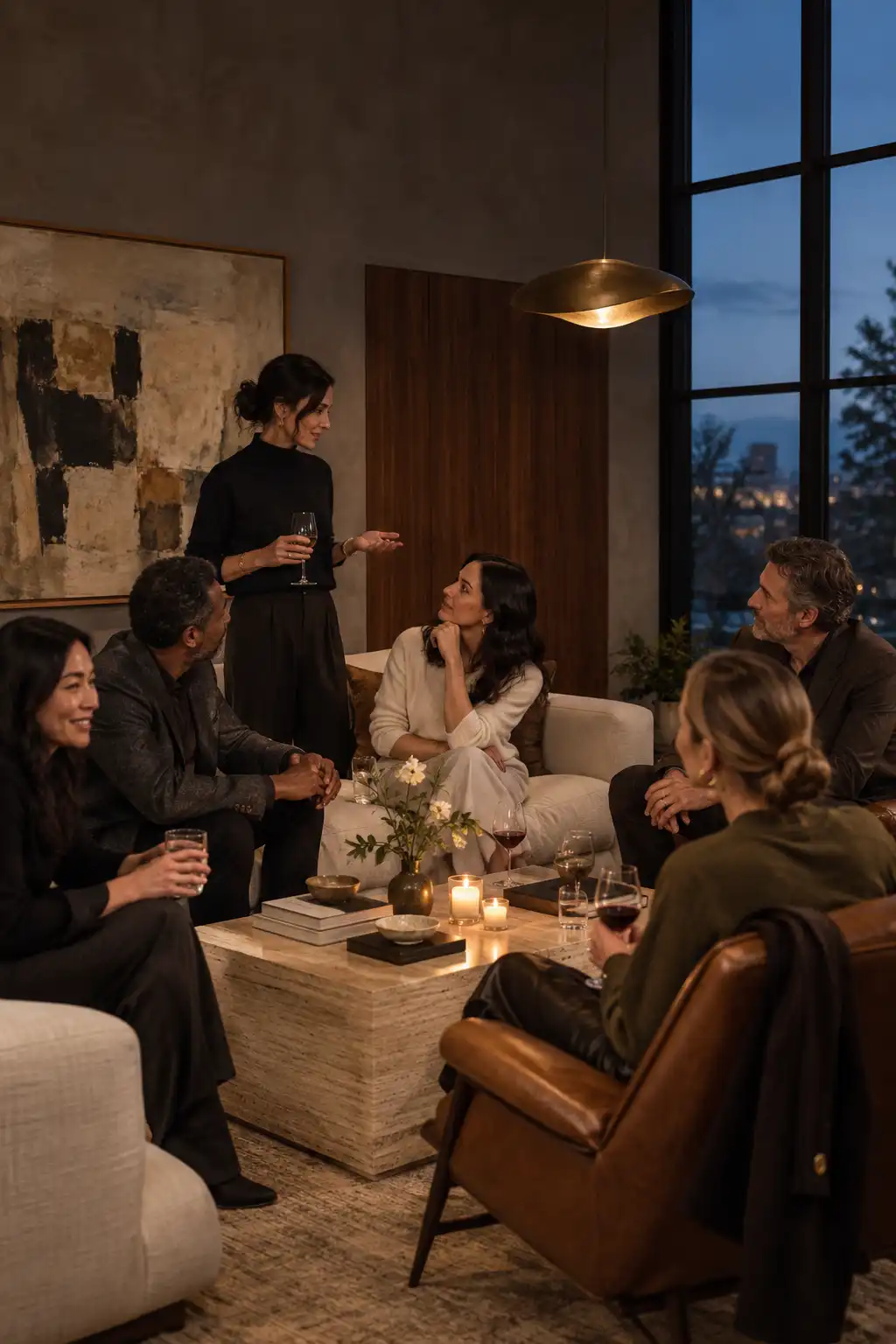
But it is not right to group modern salons with conventional networking events. Networking events may seem efficient, but they are purely transactional. At a salon, there is no immediate objective, no five-minute introduction followed by an exchange of Instagram handles. The uncertainty is the point. We have become accustomed to prioritizing social interactions by their usefulness, what we gain and how we benefit. Salons take a more romantic and less practical approach – that maybe the value of gathering is in the unexpected experience, something that cannot be immediately quantified.
But if the salon’s appeal lies in its intimacy and selectivity, that raises a complicated question: Who gets to be in the room?
Historically, salons were exclusive. Invitations were mostly reserved for society’s elite. This exclusivity filled a room with some of the most talented and intellectually curious people, but it also reinforced social hierarchies and limited the ideas formed. Contemporary salons therefore have a choice. They can become another luxury product- intentionally designed, beautifully photographed, and accessible only to those who can afford an invitation. Or they can reclaim something more interesting: not to simply be seen in the right room, but to make the room worth entering. Its value lies in the connections made, conversations it encourages, and the possibility of what might be created from the exchange. In that sense, the most successful and impactful salon is not necessarily the most exclusive one, but one that leaves its guests with new ideas, new perspectives, or connections they could not have found elsewhere.
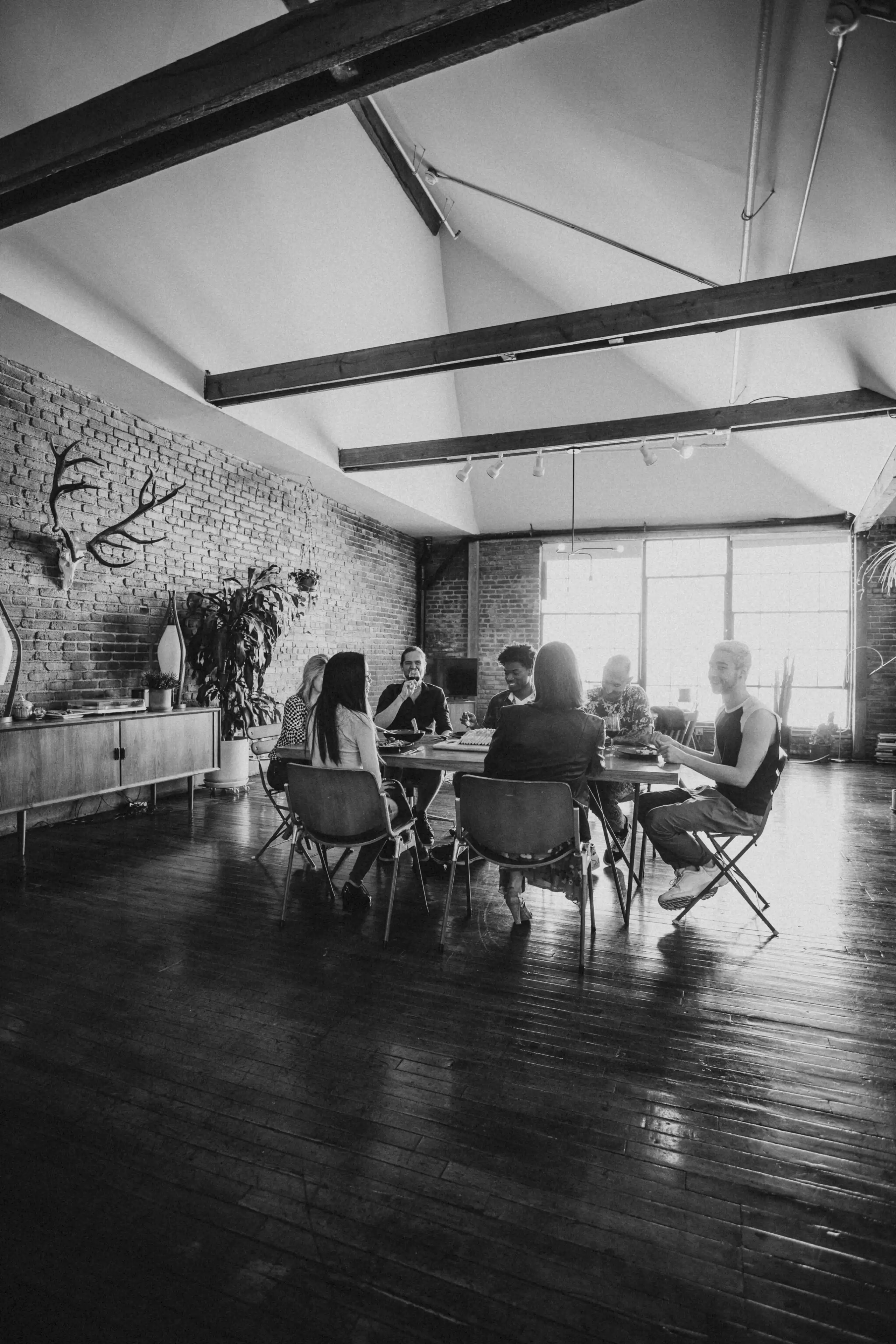
This is where the shift with contemporary salons speaks to a broader shift in our idea of luxury. For generations, luxury has been closely associated with limited access, but with access becoming increasingly obtainable, what genuinely feels valuable is harder to manufacture. That is time, intimacy, serendipity, and experiences that can’t be replicated or simply bought. Salons offer exactly that. They reflect a form of luxury that isn’t manufactured or mass-produced. The exclusivity is not for the sake of status but to create the conditions for an impactful and unrepeatable experience. Therefore, a salon’s value comes from its limitations – there are only so many people who can fit in a room, only so many hours in an evening, and no algorithm can determine what conversation will happen.
The salon isn’t returning. It never fully left. It’s simply become more relevant as we remember the value of being together in the same room. We do not need to reject the digital world; we need to become more conscious of what it cannot provide. Technology can give us information, ideas, clicks, and connections, but it can’t give us an atmosphere with sustained human exchange where culture and ideas truly grow.
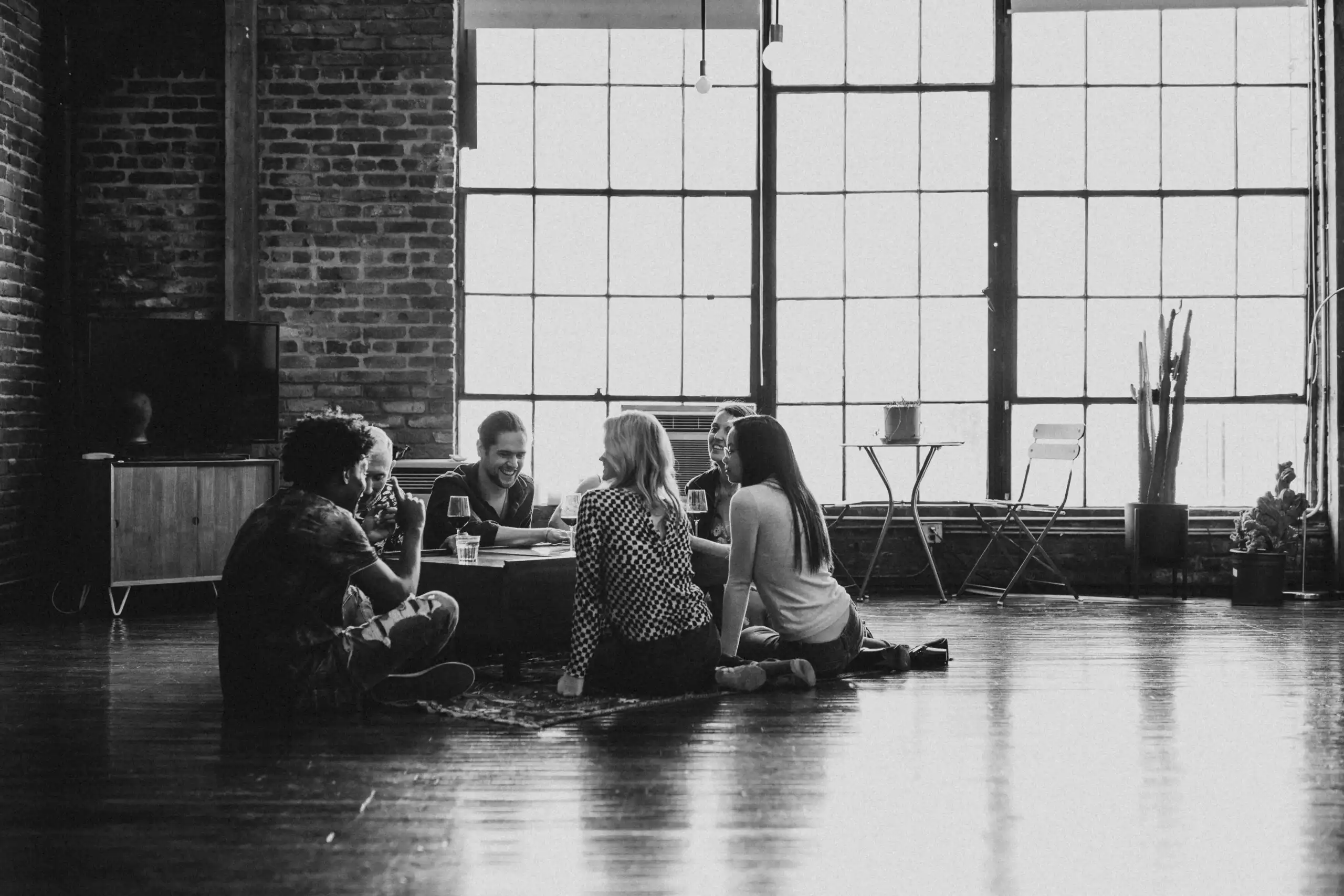
While algorithms can suggest more of what we like, they cannot challenge why we like it. A comment section can allow for thousands of opinions, but thoughtful discussion rarely comes from those exchanges. The salon restores this physical dimension to culture. The contemporary salon is not about status or spectacle or networking. It’s about conversation. It’s the place where observations are turned into ideas, ideas are given life, and that life moves into the world.
Culture cannot exist only as something we consume. It is something we must also create together. In a world focused on immediacy, performance, and transaction, there is something quite radical about a room that asks nothing of us except to show up and see what comes of it.