There are countries you visit and there are countries that you feel. Iceland, the land of fire and ice, firmly belongs to the latter. Few places embody contradiction so beautifully.
Icelandic landscapes were forged through conflict. Whether it was volcanoes erupting or geothermal vents piercing frozen valleys or glaciers continuing for miles, in this country, Mother Nature speaks loudly. Nature exists in extremes. It’s as though it’s locked in a centuries-long battle shaping not only the landscape, but the spirit of the country itself.
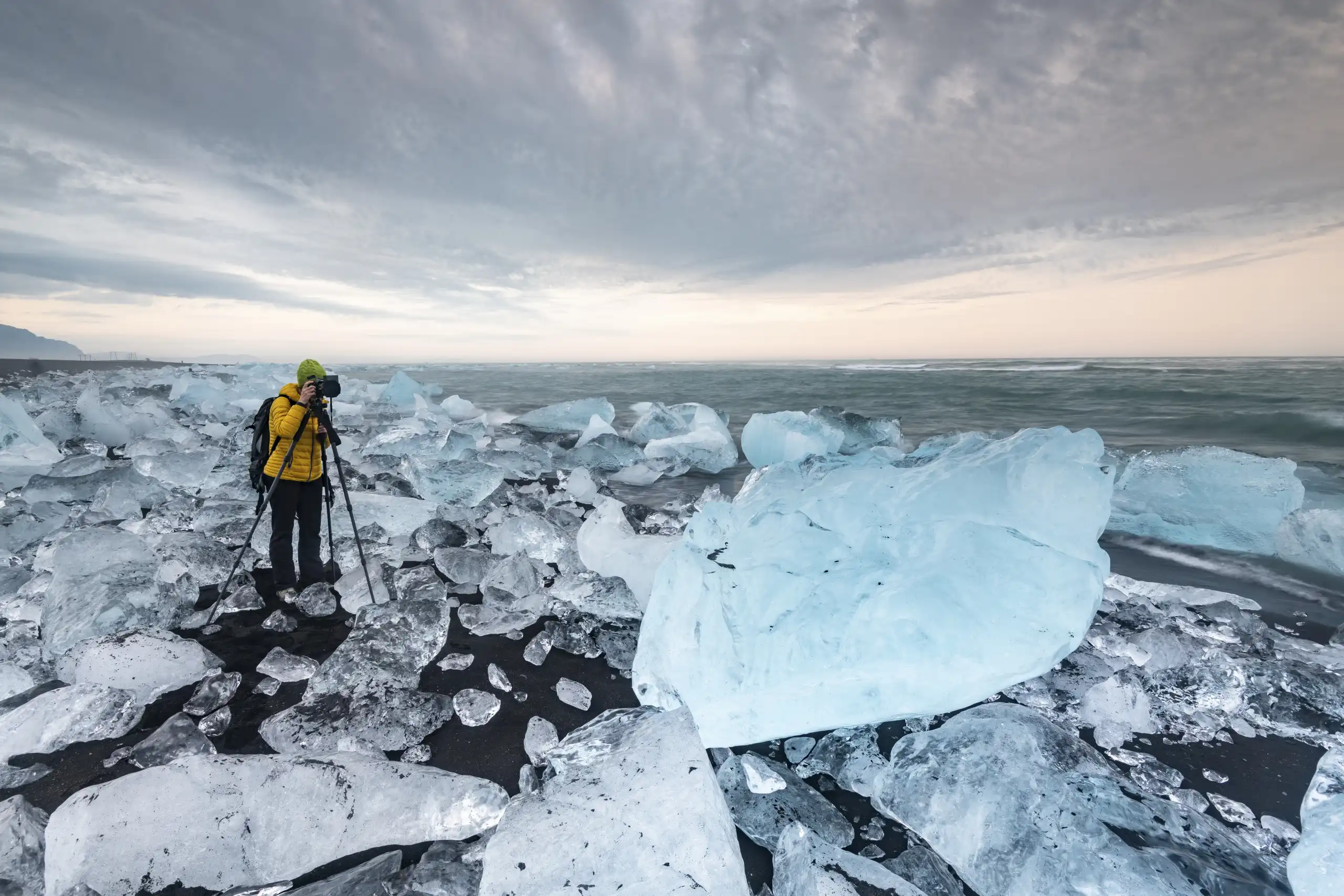
Yet what makes Iceland unforgettable goes far beyond volcanoes and glaciers. It’s a place that you feel emotionally as much as physically. It’s a country defined by Fire and Ice. To experience Iceland properly is to experience both, which can easily be done in one day.
Fire
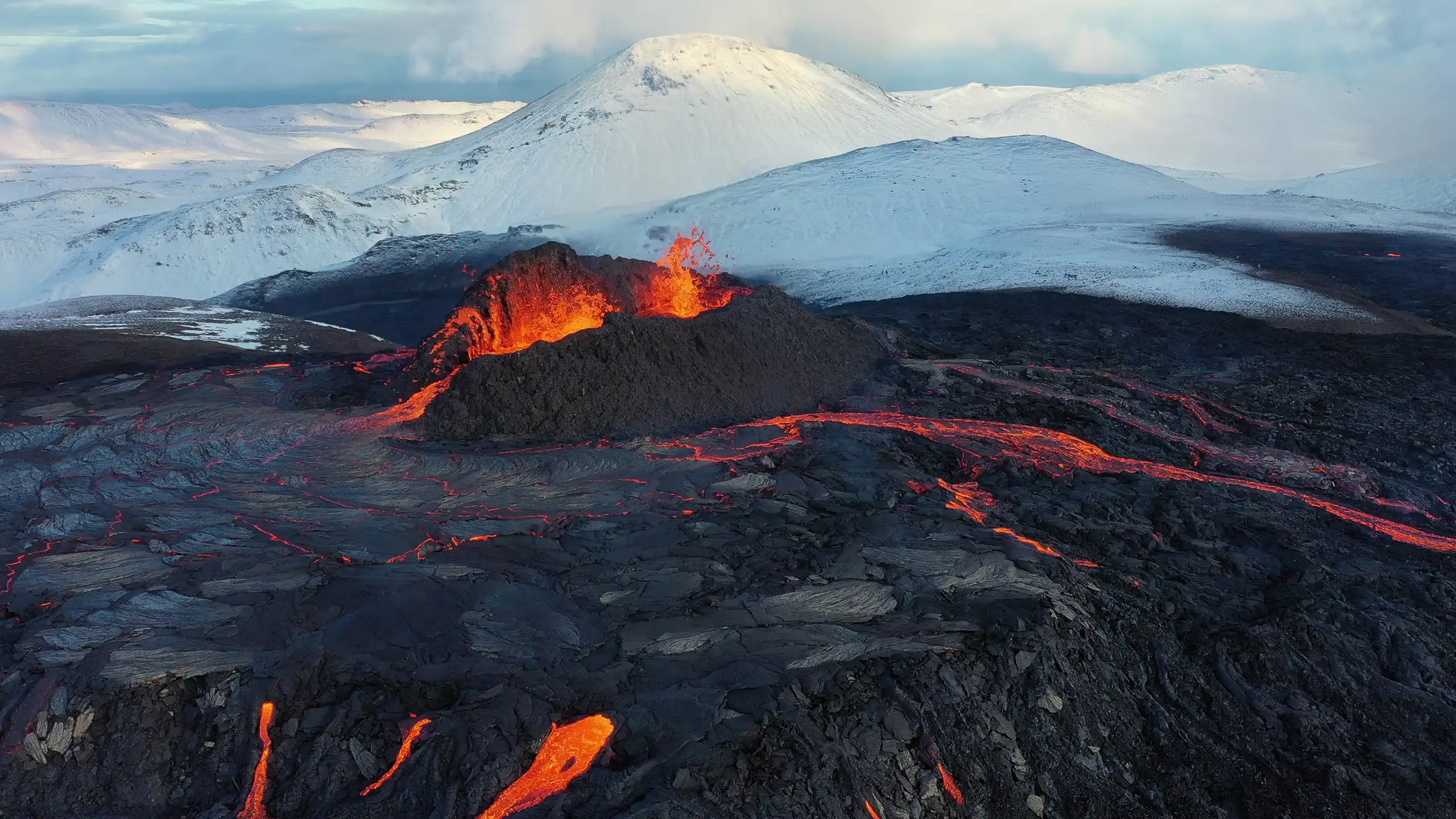
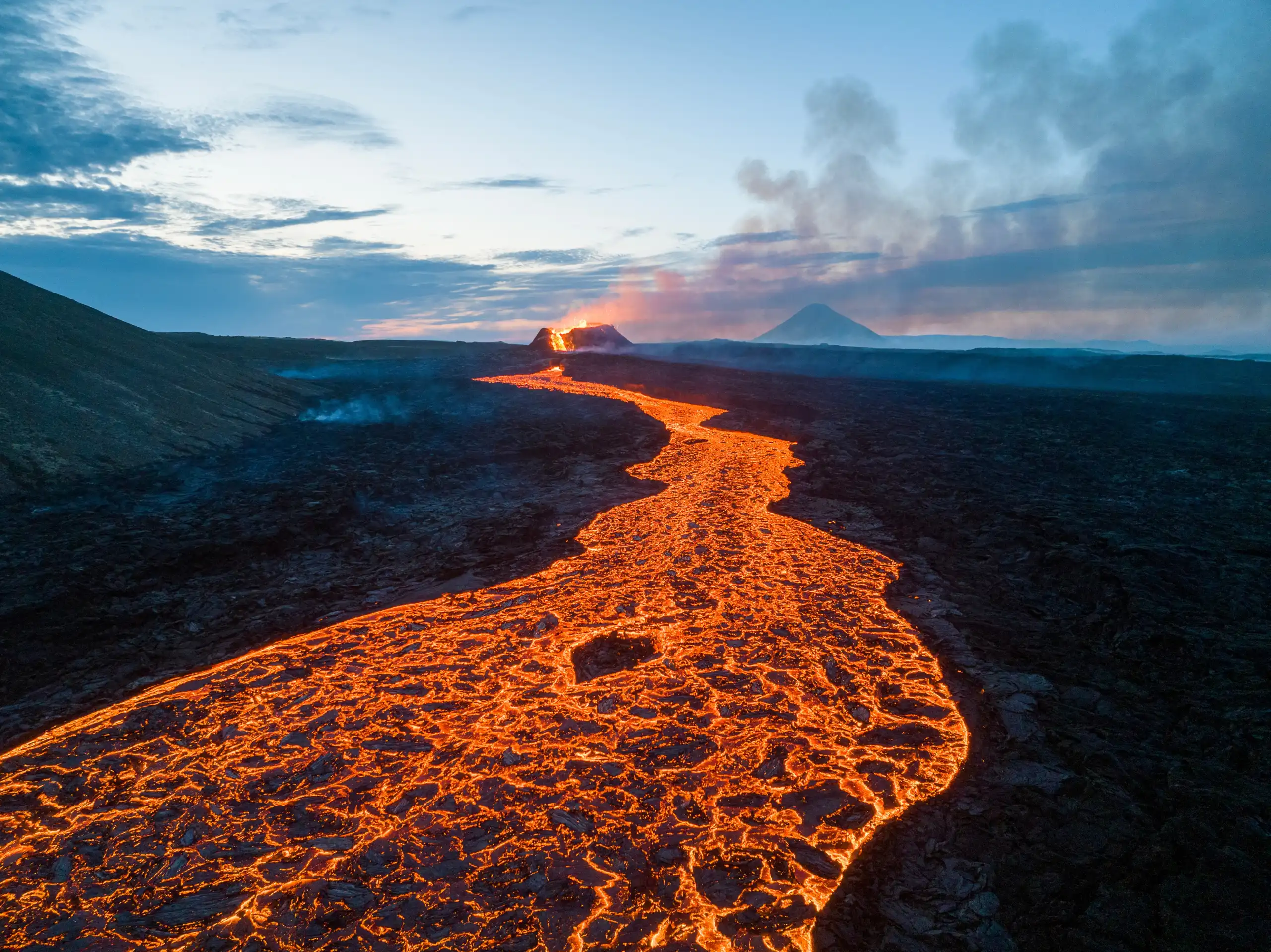
Most guided tours of Icelandic lava fields begin with a drive out of Reykjavik. The road beyond the capital city seems as though it’s a passage to another world. Black rock, hardened magma, and moss-covered lava formations look almost lunar. Miles of hardened lava stretch across the landscape in jags. These jags are the remnants of eruptions and glacial erosion that once shaped the island itself.
Driving through volcanic regions like the Reykjanes Peninsula or the ancient expanses surrounding Eldhraun Lava Field feels surreal. Witnessing steam escape from cracks in the earth, smelling the sulfur in the air, and gazing upon the snow-covered mountains rising in the distance is an exceptional experience.
Icelandic guides tend to combine science with storytelling. Yes, it’s explained how Iceland sits between tectonic plates and how lava fields continue to evolve over centuries. But guides also regale visitors with Icelandic folklore. The stories of hidden people and spirits and myths that are connected to the volcanic landscape. In Iceland, geology and mythology are intertwined.
Some guided experiences descend beneath the surface into lava tubes. These tunnels were once the channels that carried molten rock. Today, they resemble underground cathedrals of volcanic stone. Inside, temperatures drop. Ceilings twist into strange formations created by cooling lava. Tours in lava caves feel adventurous, but most only require climbing over rocks or navigating narrow spaces.
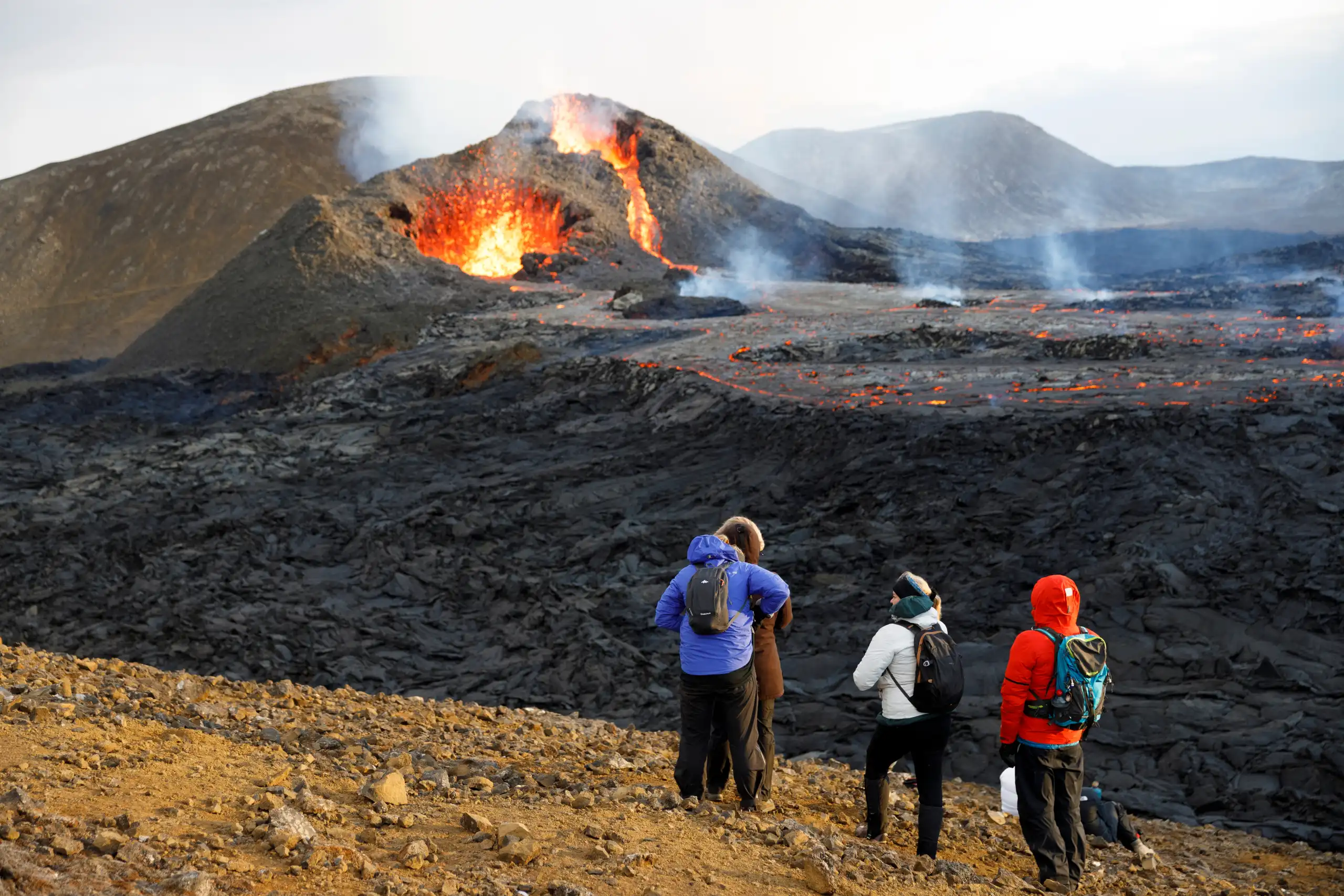
In recent years, areas on the Reykjanes Peninsula near sites like Fagradalsfjall have offered visitors the rare opportunity to witness newly formed lava fields. Depending on volcanic activity and safety conditions, guides may lead groups to viewpoints overlooking a landscape that is still steaming with fresh lava. Something is humbling about standing near land that did not exist in its current form just months or years earlier. What is surprising about these guided tours is how quiet they feel. Despite the dramatic scenery, lava field visits are rarely crowded once you move beyond the main access points.
Unlike traditional nature tours centered on comfort or entertainment, Iceland’s lava field experiences often leave visitors with a heightened awareness of the planet itself.
Ice
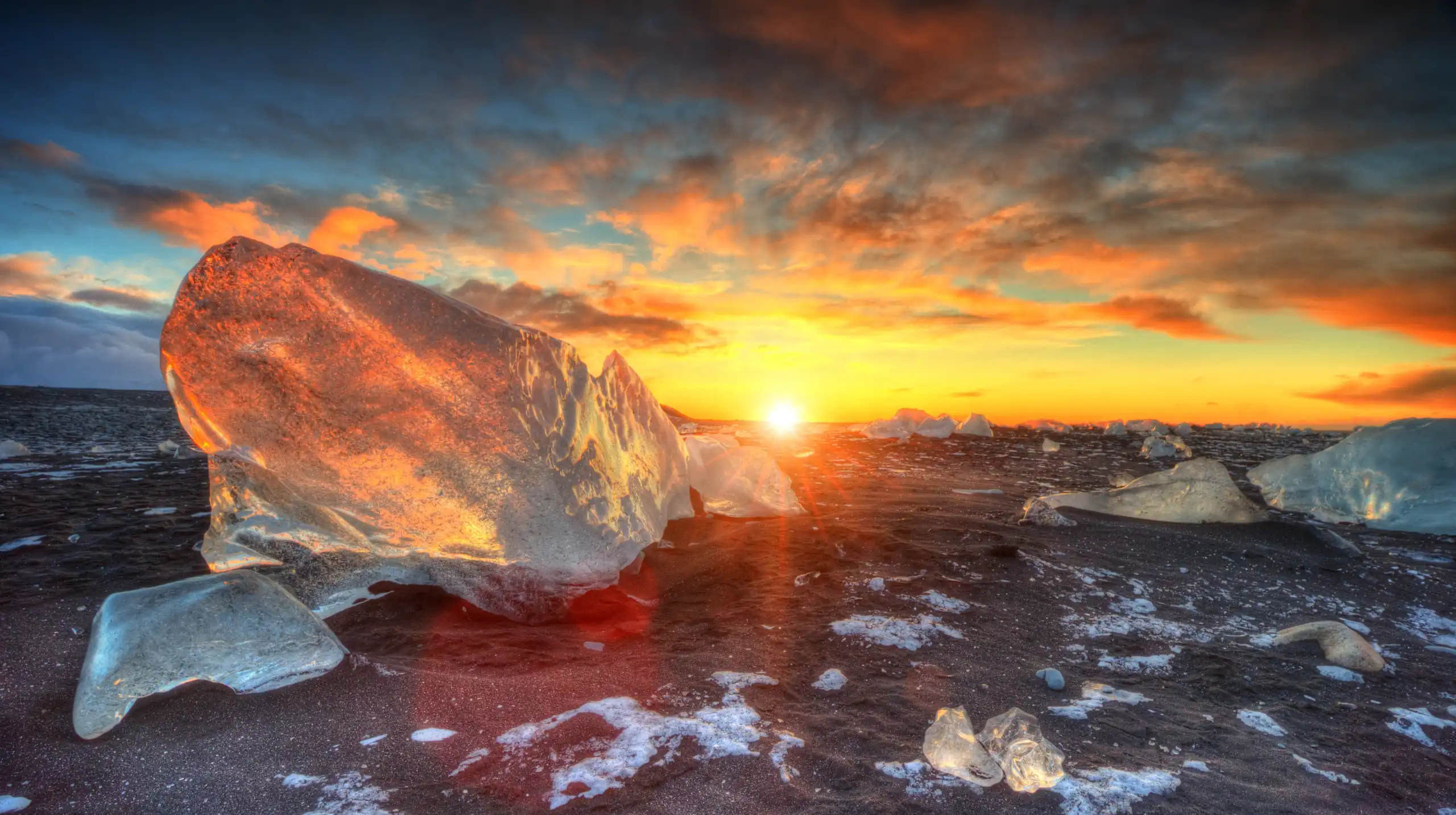
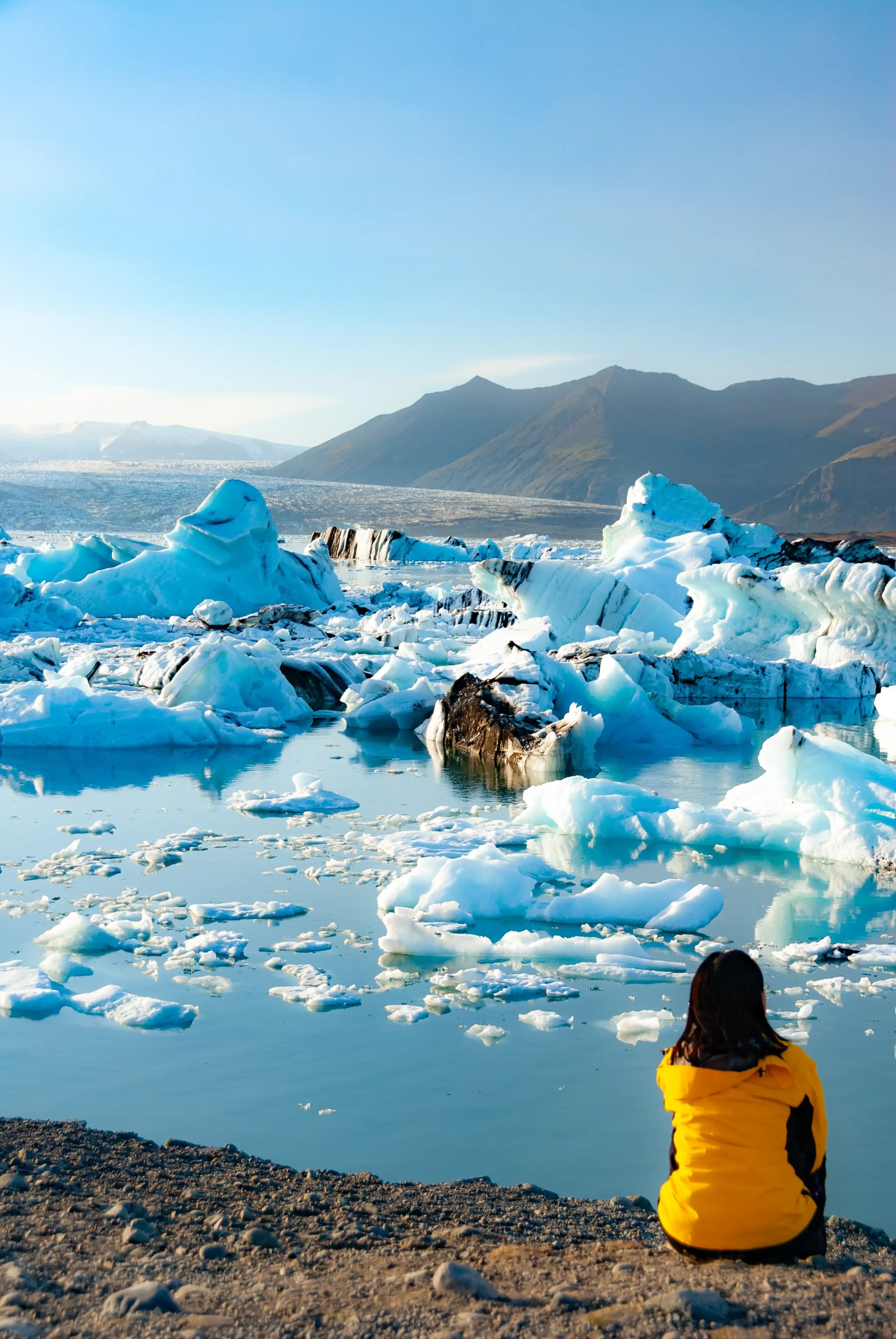
In Iceland, glaciers shape weather systems, carve valleys, feed rivers, and dominate entire horizons. Vatnajökull is Europe’s largest glacier by volume. Covering nearly 8% of Iceland’s landmass, it sits atop several active volcanoes hidden beneath layers of ice hundreds of meters thick. When eruptions occur beneath the glacier, the heat can melt enormous quantities of ice rapidly, causing dramatic glacial floods known as jökulhlaups.
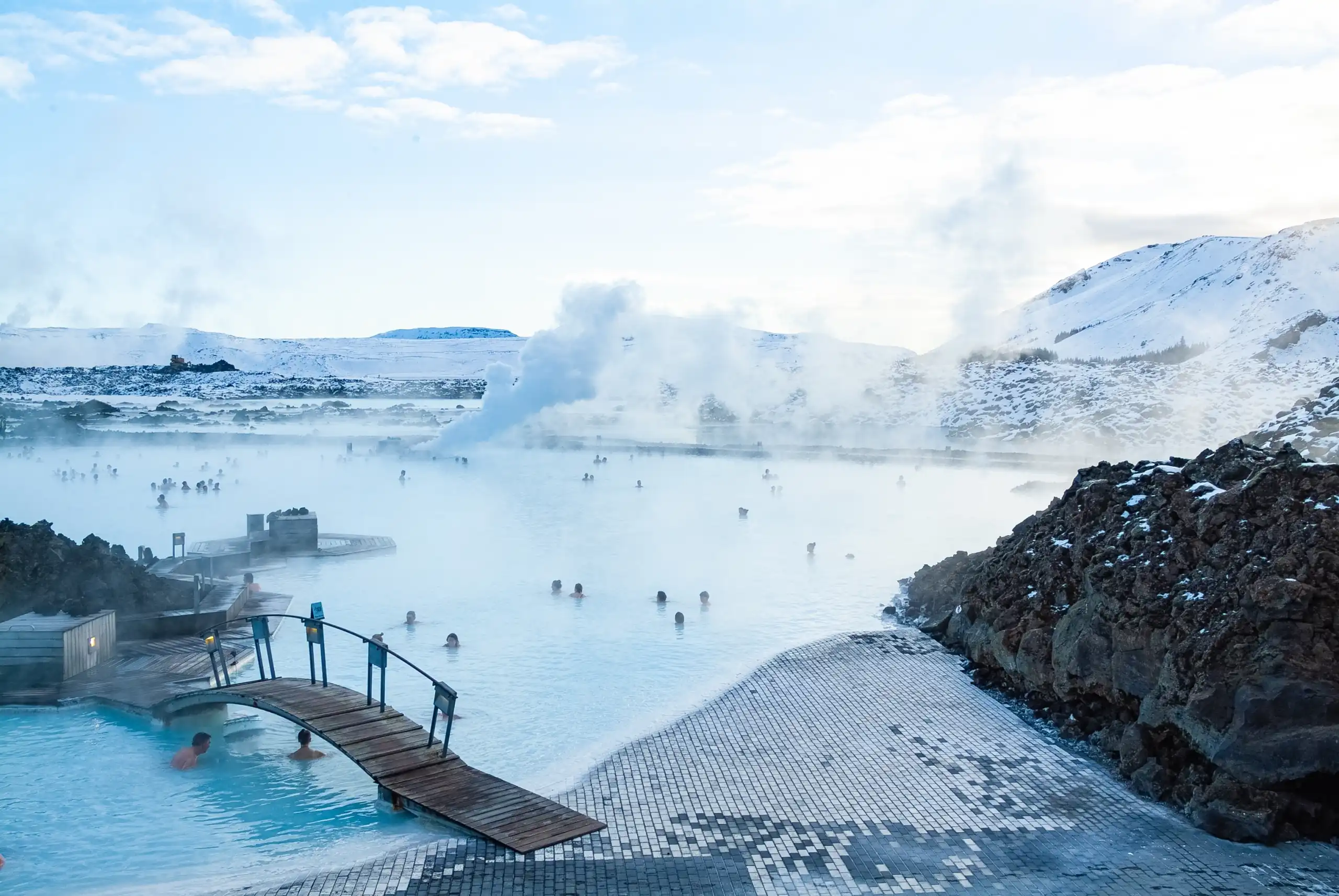
Many geothermal waters themselves are linked to glacial systems. Meltwater from glaciers seeps deep underground, where volcanic heat warms it before it rises back to the surface, rich in minerals. Near glacial regions, geothermal spas dot the landscape. These spas are not indoors. They aren’t made of marble walls, artificial lighting, and massage rooms. In Iceland, they are part of the landscape itself.
The pools’ waters are naturally heated deep underground through volcanic activity. Rich in silica, sulfur, and minerals, the water carries a smooth, almost velvety texture against the skin. Some pools glow milky blue while others appear deep turquoise or silver, depending on the light.
The experience of relaxing in a geothermal pool is difficult to describe. Your face remains chilled by Arctic wind while your body is enveloped in heat. Steam rises around you. Water laps against volcanic stone. You are surrounded by a landscape made of glaciers and mountains. It’s a very unique experience.
Spa treatments in Iceland also reflect the surrounding geology. Lava stone massages use heat retained from volcanic rock. Silica masks are gathered from mineral-rich waters. Saunas overlook glaciers or lava fields rather than city skylines. Everything seems as if it is directly from the environment.
Unlike many luxury spa destinations built around indulgence and excess, Icelandic geothermal culture feels grounding. People soak quietly for hours. Locals and travelers share the same pools without formality. There is little pressure to rush or perform relaxation.
In the land of Fire and Ice, there is a profound awareness of nature’s power. Volcanoes interrupt routines. Storms alter travel plans. Darkness stretches across winter days. Few places embody contradiction as elegantly as Iceland, yet somehow, everything feels balanced.
Iceland is not a country you see; it is a country you feel.