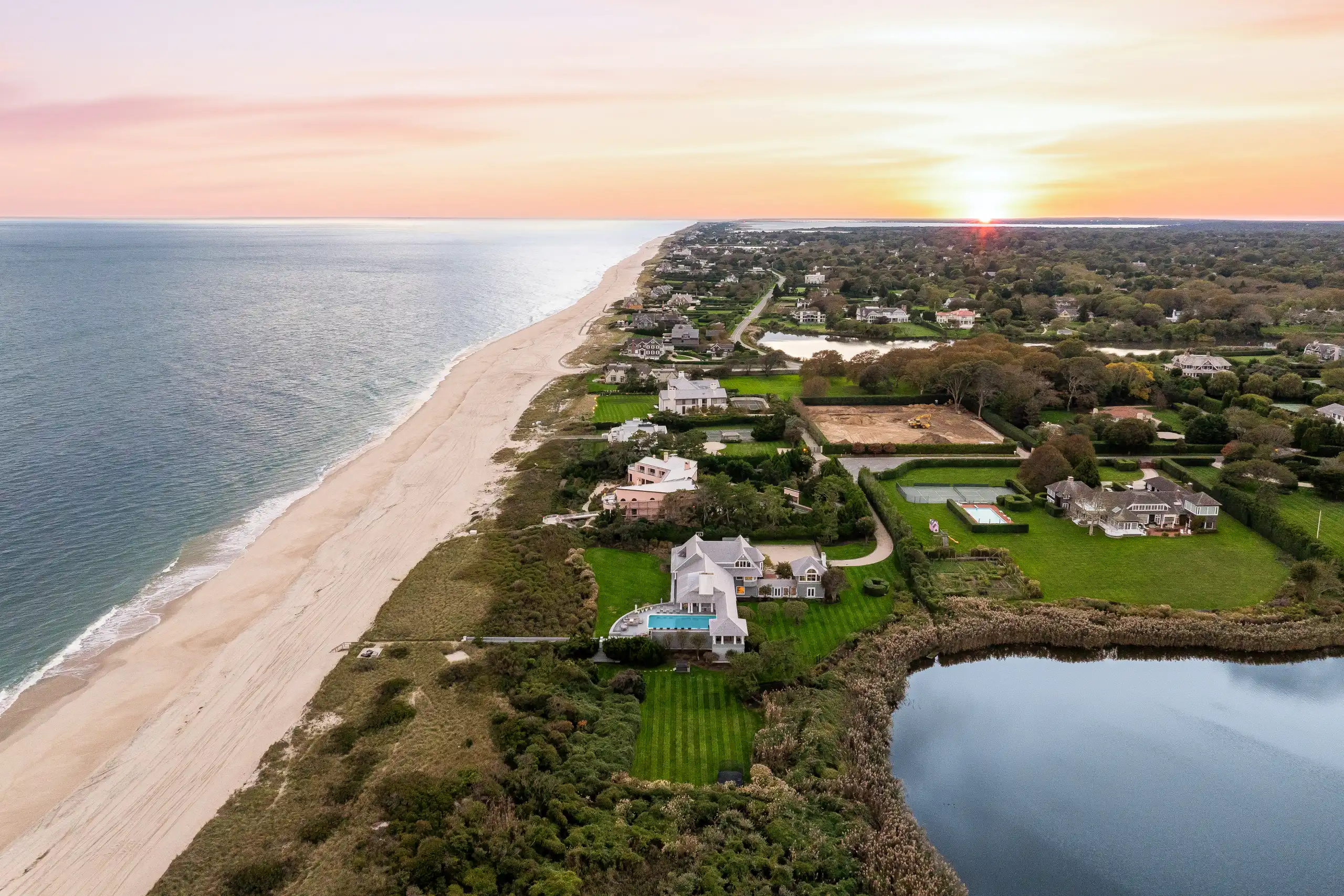
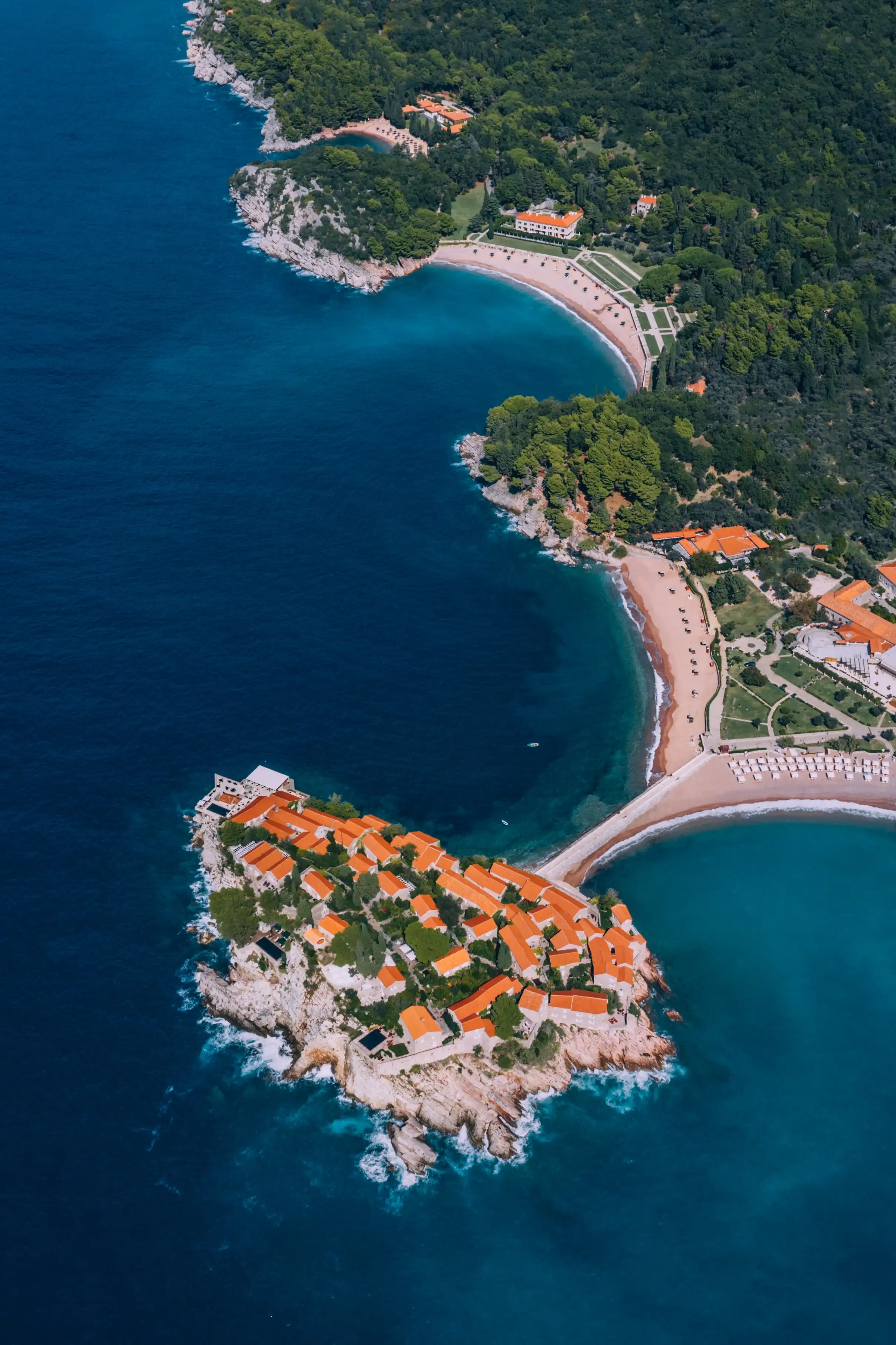
In the ancient world, palaces, estates, and monuments were designed to outlast their creators. These creators embedded wealth itself into stone and landscape. Luxury meant continuity. It meant exquisite objects and spaces that could be passed down, accumulating meaning through time. Marble and gold leaf were not mere signs of riches but those of resistance to decay.
In a more futuristic setting, that intersection begins to shift. Permanence is no longer defined by stone or inheritance, but by actual systems that persist: adaptive environments, intelligent infrastructures, and experiences designed to endure through change rather than resist it. Luxury becomes less about ownership and more about continuity of experience. Spaces are not fixed but responsive ecosystems.
Throughout time, luxury has always lived at the intersection of permanence and innovation. In this way, luxury travel sits perfectly between the ancient cultures that have defined us and the futuristic cities that are reshaping us.
Ancient
In the ancient Mediterranean world of Athens, marble was not simply a building material but a statement of wealth, power, and civic identity. It signaled the city’s prosperity during its golden age, when resources from across the Delian League were funneled into monumental construction projects that projected Athenian prestige throughout the Greek world. The Parthenon itself, built from Pentelic marble, stood as both a religious dedication and a visible declaration of imperial confidence. Wealthy Athenians funded public works such as outfitting warships or sponsoring dramatic festivals, turning private fortune into public spectacle. When traveling, whether it was across the city or outside of it, ancient Athenians of wealth traveled in luxury. This luxury was expressed through their personal entourage – attendants who carried supplies, tents, and the provisions of fine clothing, wine, and exotic food.
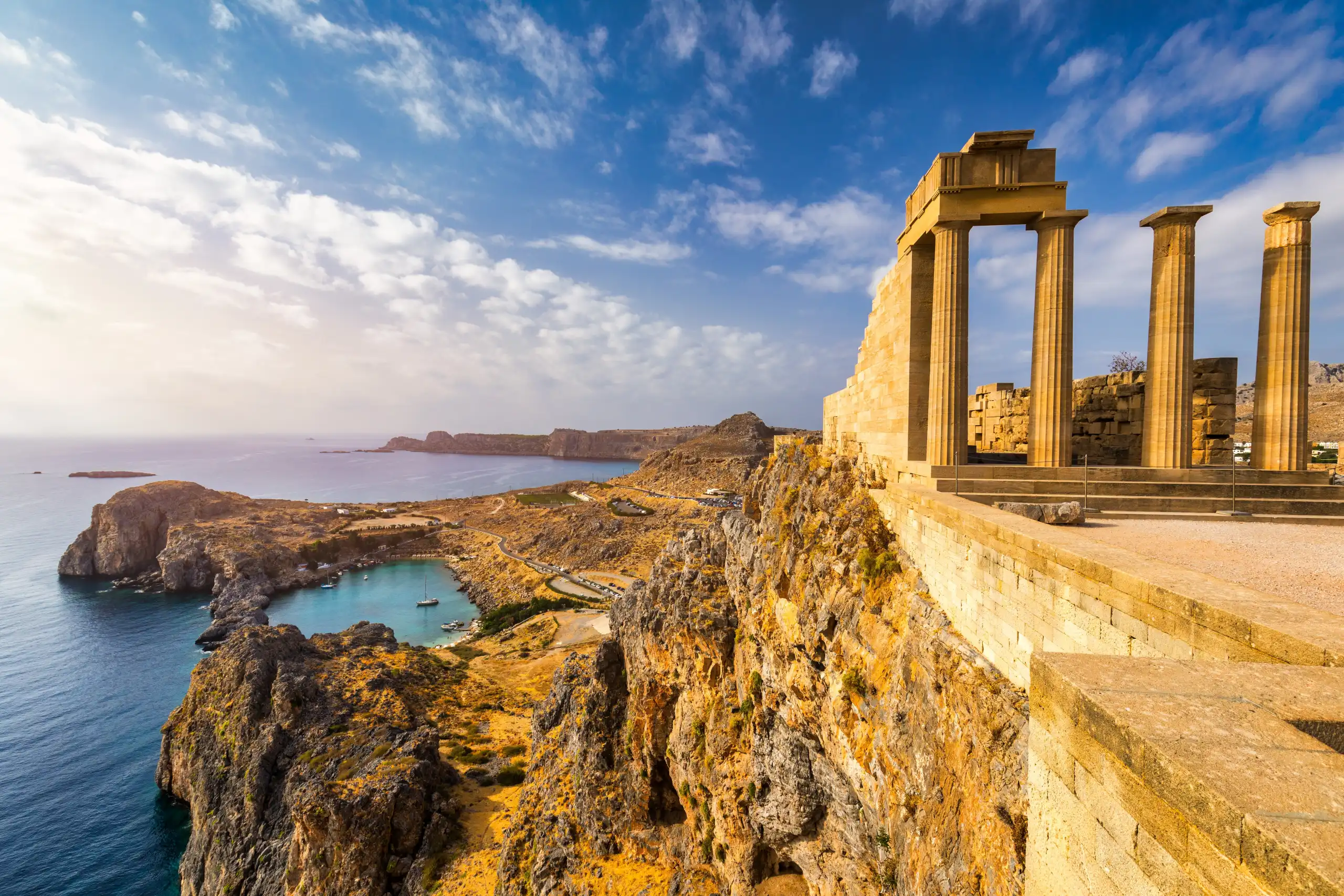
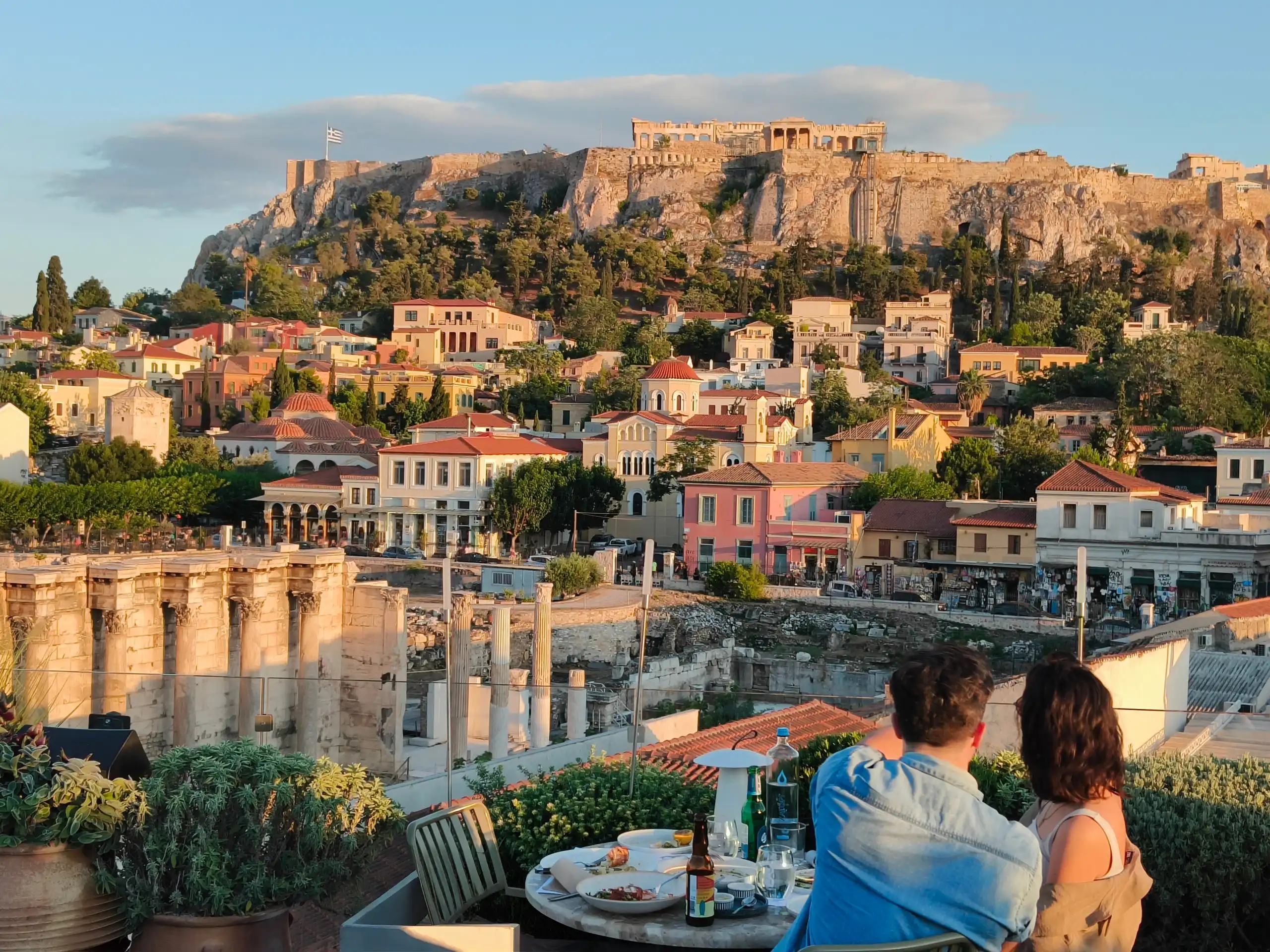
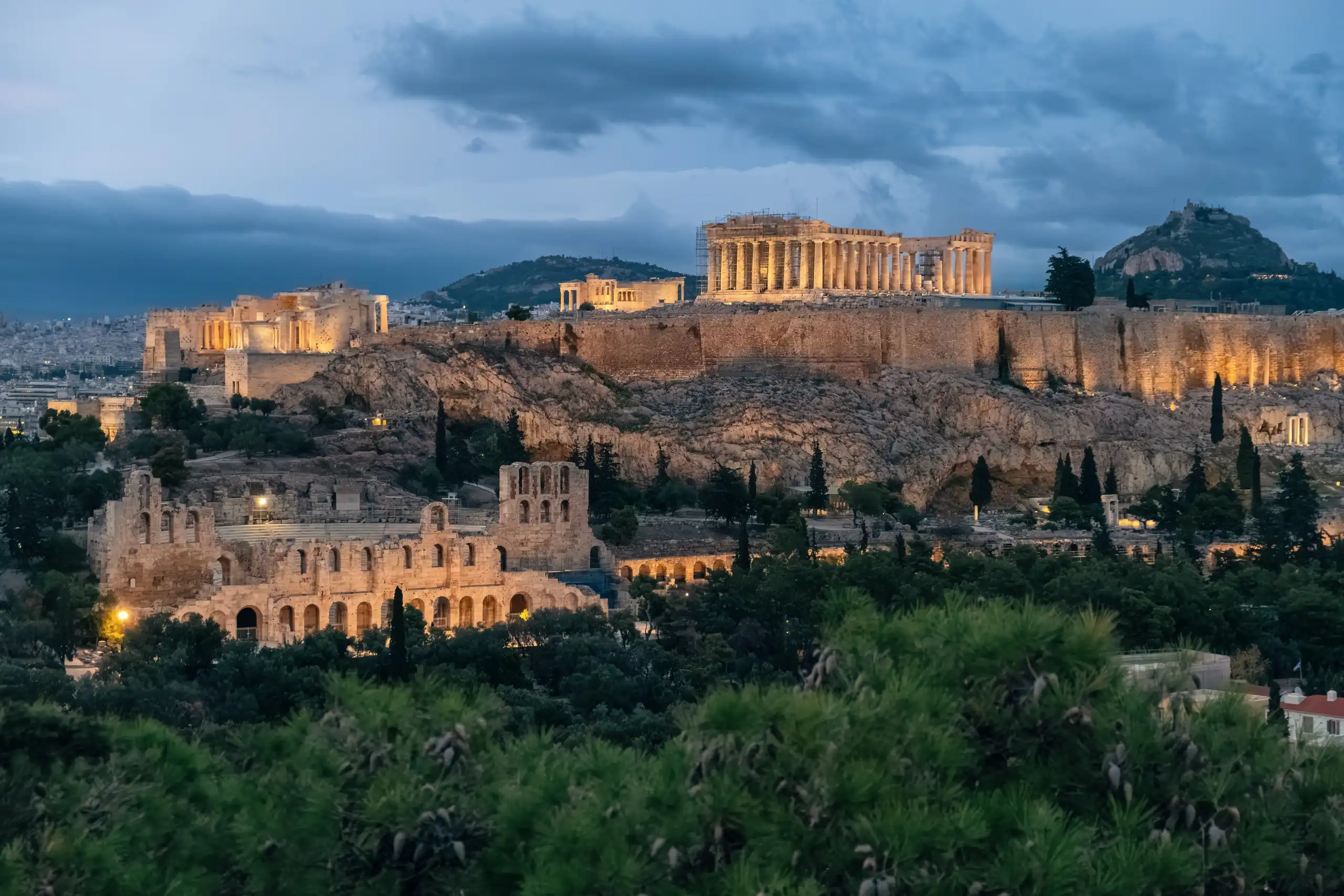
In modern Athens, much has changed. Now, luxury travel combines history, culture, and bespoke comfort.
Of course, the cornerstone of a travel experience is accommodation, and, in Athens, high-end accommodation blends modern comfort with history. Guests can choose luxury boutique hotels perched on hillsides or in historic neighborhoods. Private villas provide seclusion, complete with rooftop gardens, olive trees, pools, and interiors inspired by classical Greek design. For those seeking wellness, select properties integrate spa treatments, yoga sessions, and meditation spaces overlooking ancient rooftops, creating a seamless fusion of relaxation and connection to the city’s timeless energy.
While accommodation is the cornerstone, exclusive cultural experiences define the heart of high-end travel in Athens. After-hours access to iconic sites such as the Acropolis, Parthenon, or the ancient Agora allows travelers to explore world-renowned sites without crowds. They are guided by expert archaeologists who offer insight into architecture, history, and Greek mythology. VIP museum tours, including the National Archaeological Museum and the Benaki Museum, provide private viewings, curator talks, and behind-the-scenes access to restoration projects. Guests may also enjoy intimate theater experiences at the Odeon of Herodes Atticus, where performances are paired with private receptions or themed dinners, turning the city’s classical arts into a legitimate personal encounter.
The gastronomy scene of Athens offers curated culinary experiences engaging all the senses. Travelers can engage in private cooking classes with some of the city’s top chefs. They have the option of book a personalized gastronomic tour that provides curated wine and olive oil tastings, guided by experts who reveal the subtleties of Greek flavors and traditions. Of course, an incredibly special experience is dining on a private rooftop with views of the Acropolis. Diners not only savor their dishes but also find themselves fully immersed in both the ancient and the modern.
Athens also offers immersive experiences that elevate travel beyond sightseeing. Private yacht excursions along the Saronic Gulf allow access to islands like Hydra, Spetses, and Aegina, complete with onboard chefs, water sports, and serene privacy. Travelers can engage in hands-on cultural workshops, such as traditional crafts or modern art, often leaving with bespoke creations as personal souvenirs.
Finally, modern luxury in Athens emphasizes personalized storytelling. For example, professional photography sessions at dawn or dusk that capture iconic views from unique perspectives. Fully customized itineraries can weave together history, art, gastronomy, and leisure into seamless multi-day experiences, from private tours of lesser-known archaeological sites to twilight cruises ending with a secluded beach picnic. Some luxury providers even arrange intimate performances or music inspired by Greek myths, giving travelers the rare chance to inhabit Athens’ past while enjoying the comfort, exclusivity, and narrative richness of the present.
Futuristic
In contrast to Athens, futuristic cities are innovative and fresh. In Dubai, the glass towers that rise from desert sand seem engineered to defy gravity. Climate-controlled boulevards, skybridges, and automated mobility systems create an environment where comfort is continuous. Rooftop infinity pools dissolve into skyline horizons, while interiors are designed as controlled atmospheres with specialized temperature, scent, and lighting all adjustable to preference. Here, luxury is not inherited from history but actively manufactured in real time.
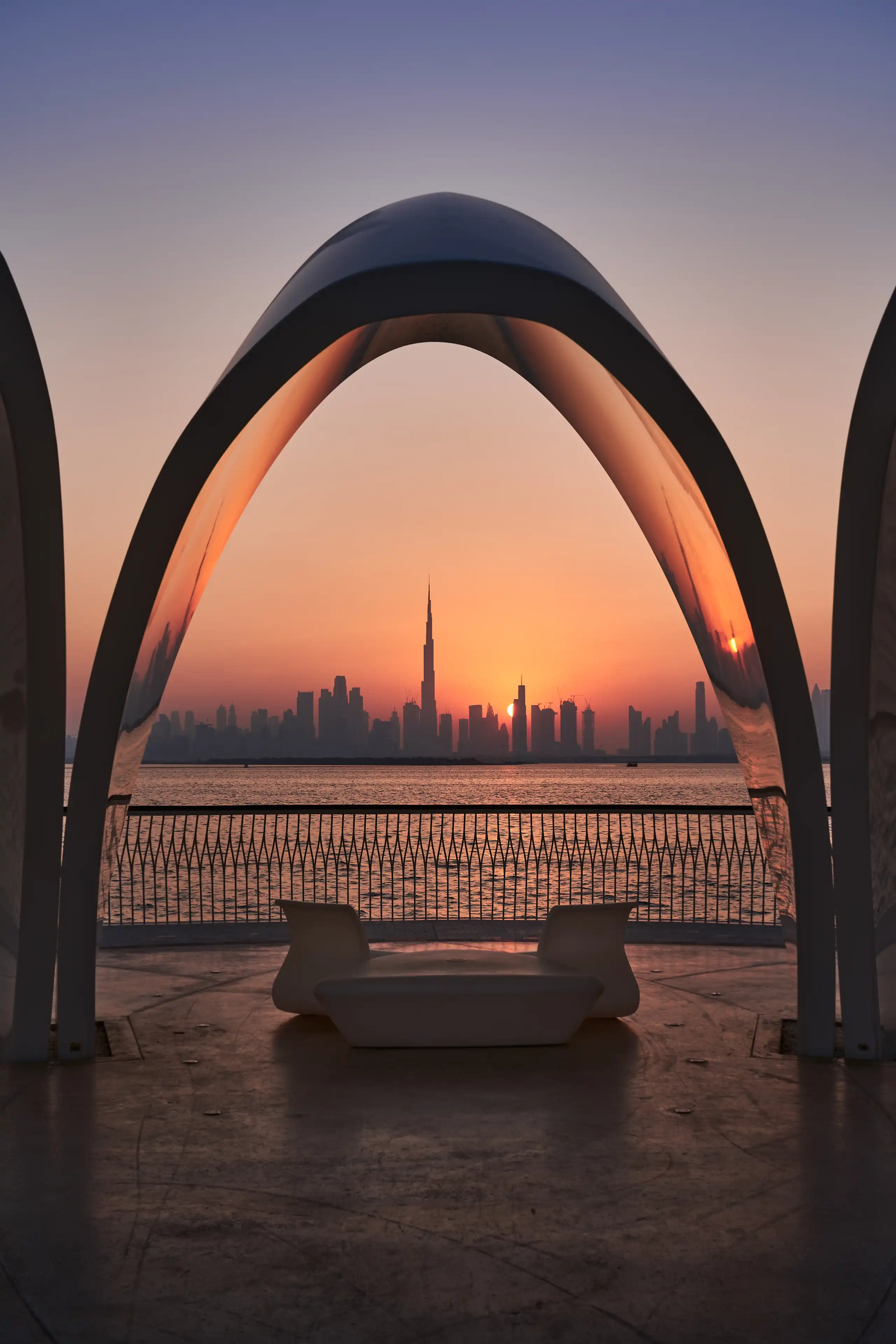
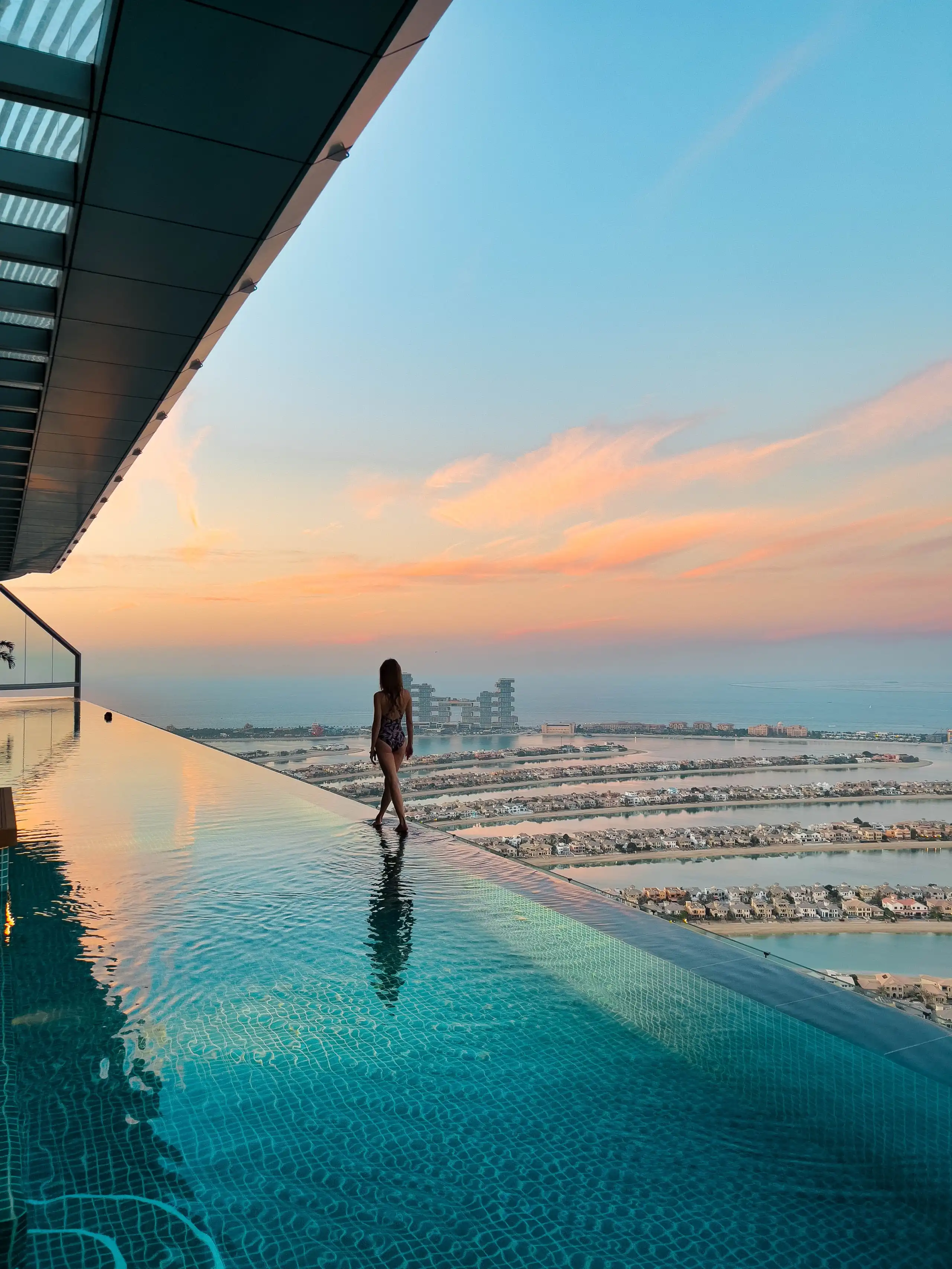
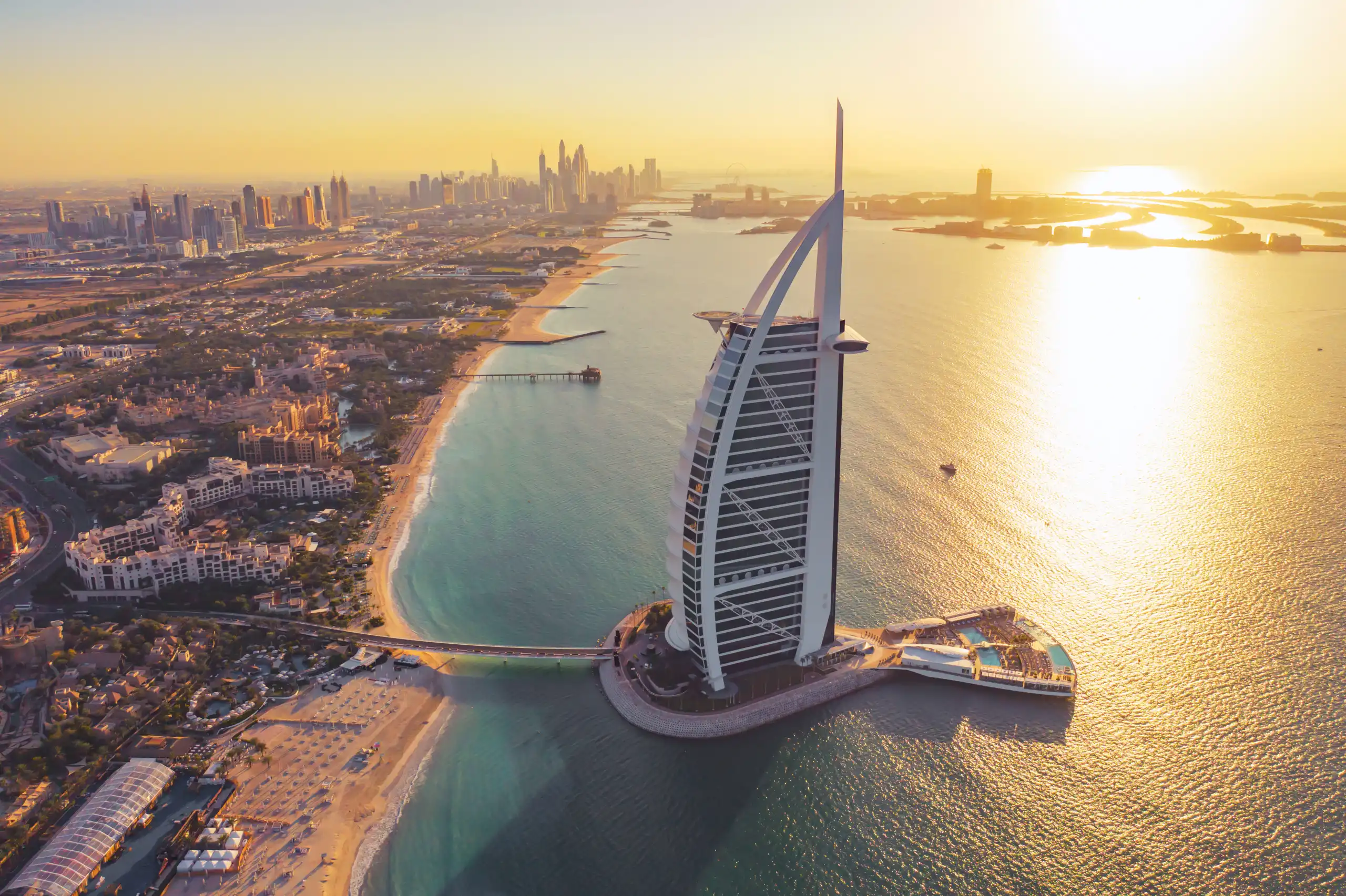
Luxury travel in Dubai begins with accommodation that redefines comfort, scale, and design. Guests can stay in palatial hotels like the Burj Al Arab, where suites feature private butlers, floor-to-ceiling views of the Arabian Gulf, and interiors that combine contemporary glamour with Arabian motifs. Private villas and resorts on the Palm Jumeirah or in the desert offer seclusion, infinity pools, and personal chefs, while high-end serviced apartments in Downtown Dubai provide the convenience of the city center with panoramic views. Wellness and leisure are integrated into these spaces, with spa treatments, infinity pools, and private yoga or fitness sessions designed to maximize relaxation amid opulent surroundings.
Dubai’s travel offerings have expanded beyond shopping and skyscrapers into immersive encounters. Guests can explore private tours of the historic Al Fahidi Neighborhood and the Dubai Museum, guided by experts who illuminate Emirati history, architecture, and culture. Art collectors and enthusiasts can enjoy VIP access to galleries in Alserkal Avenue, participate in private artist-led workshops, or attend exclusive previews of international exhibitions. Even the desert becomes a curated experience as luxury travelers ride in chauffeured 4x4s over dunes, visit Bedouin-style camps with gourmet dining, or enjoy falconry demonstrations and stargazing under the vast Arabian sky.
Gastronomy in Dubai is a defining element, reflecting the city’s cosmopolitan character and commitment to high-end dining. Private culinary experiences allow guests to cook alongside renowned chefs in fine hotels, explore street-to-table tours of spice souks, or enjoy curated tasting menus at Michelin-starred restaurants. Rooftop lounges and private terraces offer the chance to dine while taking in the skyline, with sunsets over the desert providing a dramatic backdrop. Food experiences often extend beyond traditional dining to include mixology workshops, coffee and tea tastings, or bespoke catering for private dessert or yacht dinners.
Travel experiences in Dubai combine adventure, entertainment, and exclusivity. Private yacht cruises along the Palm Jumeirah or the Dubai Marina provide tailored itineraries with water sports, champagne service, and stops at private beach clubs. High-octane experiences include desert dune bashing in luxury 4x4s, hot-air ballooning over the dunes at sunrise, or helicopter tours of the city’s iconic architecture. Shopping excursions are elevated to super VIP experiences with personal stylists, private boutique access, and curated selections from haute couture to luxury watches. Even leisure moments are designed for personalization, whether it’s in the form of poolside cabanas, private beaches, or chauffeur-driven city tours.
What connects ancient cultures to futuristic cities is not style, but intent. The ancients believed that luxury lay in permanence: stones have outlasted empires, rituals continue to bind communities together, and objects are passed through generations. On the other hand, futurism dictates luxury in transformation: environments update in real time, cities learn and improve with ever-changing experiences.
Between them lies a continuous thread. That is, luxury remains the same, though it is expressed uniquely across different materials, eras, and spaces.